

News
News Center
Jiuzhitang Maker CEO Gao Yansong: Embracing the Age of Stem-Cell Pharmaceuticals
2020-07-20
On July 6, 2020, Jiuzhitang Maker (Beijing) Cell Technology Co., Ltd. (hereinafter referred to as Jiuzhitang Maker) officially signed a clinical trial cooperation agreement with Beijing Tiantan Hospital, Affiliated to Capital Medical University (hereinafter referred to as Tiantan Hospital). This marks the imminent launch of China's first clinical trial using a stem-cell-based new drug to treat ischemic stroke.
This trial received approval from the Center for Drug Evaluation (CDE) of China's National Medical Products Administration in February of this year. It also marks the first clinical trial approved by the CDE to utilize imported stem cells—and the first-ever clinical study exploring stem-cell therapy for a major neurological indication.
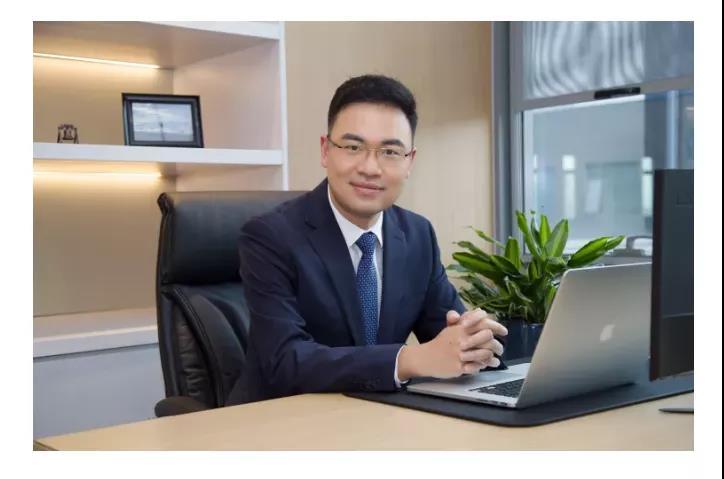
Recently, reporters from MedMakers' "Peak Guest Interview" program interviewed Dr. Gao Yansong, Vice President of Jiuzhitang Group and Deputy General Manager of Jiuzhitang Co., Ltd., as well as CEO of Jiuzhitang Maker (Beijing) Cell Technology Co., Ltd., to gain a deeper understanding of Jiuzhitang Maker.
Jiuzhitang Maker is the sole partner of U.S.-based Stemedica Cell Technologies in China. What prompted this collaboration at the time? And what specific advantage of Stemedica made it the ideal choice for partnership?
Meiko CEO Gao Yansong: Jiuzhitang’s strategy is "Inheritance Plus Innovation"—driven by both its traditional and innovative business segments. At the core of Jiuzhitang lies a natural inclination toward innovation; after all, the company’s founder and Chairman, Mr. Li Zhenguo, originally comes from a research and development background. He is the inventor of the renowned traditional Chinese medicine injection Shuxuetong—and has long been an early investor in the “unicorn” company Kexin Pharmaceutical, whose glucagon receptor monoclonal antibody drug REMD477 has already made a significant global impact.
In 2016, Jiuzhitang Group decided to enter the stem cell industry through a collaboration with Stemedica. Our original intention was to partner with a company that develops stem cells according to pharmaceutical standards—and Stemedica’s qualifications perfectly aligned with this goal:
First, Stemedica possesses world-leading stem cell expansion technology. Nowadays, the main technological divide among stem cell therapy companies lies in their production capacity—specifically, how many quality-standardized doses they can produce from a single tissue source. Stemedica's proprietary technology enables the production of large-scale, single-tissue-derived stem cell therapeutic doses while maintaining stringent quality standards—placing it at the global forefront of this field. In the cell therapy industry, greater production capacity leads to higher cost-effectiveness. Jiuzhitang, a pharmaceutical company with a 370-year history, aims to make stem-cell therapies affordable for every patient in the future—and will therefore carefully consider the economic implications once the drugs are ready for commercialization.
Second, Stemedica’s stem cell quality system complies with the U.S. FDA’s cGMP requirements. Since 2010, Stemedica has been producing its candidate stem cell products under GMP-compliant conditions. Notably, many of America's leading stem cell companies rely on CDMOs for manufacturing, yet Stemedica stands out as one of the few U.S. firms capable of producing stem cells entirely in-house. During the later stages of technology transfer, we’ve also benefited significantly from Stemedica’s deeply rooted expertise and strengths, enabling us to achieve rapid growth domestically and swiftly advance our IND application.
Third, Stemedica’s stem cell product has received U.S. FDA-approved clinical trial authorization. As early as 2017, Stemedica’s bone marrow-derived mesenchymal stem cell (MSC) product had already secured 6 Investigational New Drug (IND) approvals, demonstrating that the company’s quality system and manufacturing processes have been recognized by the U.S. FDA, with comprehensive non-clinical data to support this validation. Globally, Stemedica has conducted a total of 17 clinical studies and trials. Based on the clinical trial data obtained so far, these stem cell-based therapies have proven to be both safe and effective in humans, highlighting their significant clinical potential.
These are all key factors in developing stem cell-based therapies—and they’re also the reasons we chose to partner with Stemedica.
Have there been any challenges during the introduction of stem cell technology?
Meiko CEO Gao Yansong: In 2016 and 2017, influenced by the Wei Zexi incident, China's stem cell industry experienced a period of stagnation. Moreover, at that time, the national policies governing the stem cell sector were still unclear, leading to widespread skepticism and scrutiny. On top of that, the industry also grappled with a severe shortage of skilled talent. As a result, the challenges we faced during that period were numerous and significant.
On the policy front, From 2017 to 2018, the country gradually introduced a series of policies aimed at encouraging the development of the stem cell industry. On December 1, 2019, the revised "Drug Administration Law" came into effect, clearly outlining the legal pathways and technical requirements for stem cells to be developed into pharmaceutical products. The clarity provided by these laws and regulations has significantly boosted the growth of the stem cell industry—this not only aligns with national strategic goals but also plays a crucial role in global competitiveness. Additionally, we would like to express our gratitude to the Beijing Municipal Government, the Daxing District Government, and the Zhongguancun Administrative Committee, which have offered us substantial support and guidance even when industry policies remained unclear.
From the market perspective, When we first entered the stem cell industry, market operations were still highly unregulated. In recent years, the government has taken decisive action against a number of illegally operating companies, and each such case has served as a powerful lesson for stem cell professionals. As national policies and regulations become increasingly clear, we can expect that the market will soon enter a phase of consolidation. Companies with strong technical capabilities, solid financial backing, and compliant business practices are bound to stand out—and ultimately emerge as leaders among China’s leading stem cell enterprises.
Additionally, there are also challenges related to talent. In 2017, there were very few domestic experts in stem-cell-based pharmaceuticals. We invested considerable time and effort into building our team, and we’re now beginning to see promising results. Our key advantage lies in the wealth of experience we’ve gained from collaborating with Stemedica. However, as a rapidly evolving industry, continuously improving our team is a long-term endeavor. Ultimately, what we aim to build is a dynamic, learning-oriented team that can keep advancing over time. So, when it comes to team development, talent cultivation, and talent retention, there’s still a significant journey ahead.
Could you share with us the latest advancements in Meiko’s production processes? Specifically, regarding cell production, what efforts and improvements has Jiuzhitang Maker made to ensure that its quality is fully aligned with Stemedica’s?
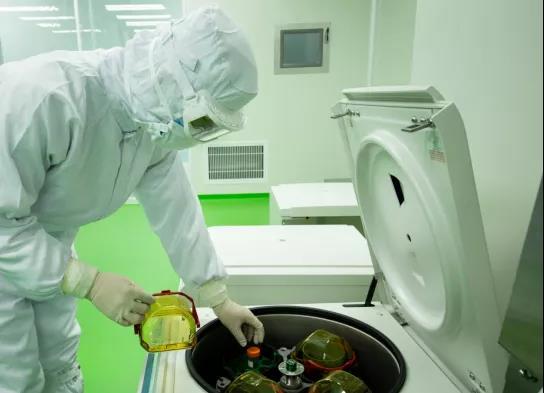
Meiko CEO Gao Yansong: Meike's production facility was completed in December 2019 at a cost of 150 million yuan and has now officially begun operations. The facility meets both Chinese and U.S. GMP standards, making it the largest and cleanest site currently operating in the Beijing region.
Meiko's manufacturing process draws inspiration from Stemedica, but it incorporates extensive improvements and upgrades based on Stemedica’s original technology. As a result, Meiko’s stem cell expansion capability now surpasses Stemedica’s original process. Specifically, if we consider that each patient typically requires 100 million cells per treatment, Stemedica can produce 450,000 doses of the therapeutic product from a single, raw source of bone marrow—making its production capacity world-leading. After Meiko optimized its process, while maintaining the same high-quality standards for stem cells, they’ve managed to double the overall stem cell expansion capacity even further.
Regarding the quality system, it’s important to reiterate that the new Drug Administration Law came into effect on December 1, 2019, explicitly classifying cell therapy products as pharmaceuticals under regulatory oversight. This milestone provides a solid foundation for Meiko’s quality system development. Our quality system was built entirely from scratch, drawing on both U.S. and Chinese GMP requirements while also incorporating best practices from Stemedica’s quality framework—without relying on pre-existing frameworks. Keep in mind, there’s no “best” quality system; continuous improvement and refinement are essential for maintaining excellence.
More than ten stem-cell drugs have already been approved worldwide, yet China still remains a blank slate in this area. What do you think are the reasons behind this?
Meiko CEO Gao Yansong: In the field of basic stem cell research, China is among the global leaders, boasting a group of world-class scholars and groundbreaking scientific achievements. However, when it comes to translating these discoveries into approved therapeutic drugs, no stem cell-based medicines have yet been cleared for market in China. It’s important to note that the approval process for stem cell therapies is closely tied to national policy directions. Currently, most of the stem cell products approved worldwide are concentrated in Japan and South Korea, while China and the United States continue to rigorously regulate stem cells according to strict pharmaceutical standards—this, objectively speaking, is why neither country has yet seen stem cell treatments reach the market.
When it comes to bringing stem cell products to market, the primary challenges—not just in terms of clinical data but also due to the inherent complexity of these products—cannot be overlooked. Cell-based therapies are, to date, among the most intricate medicines ever developed by humankind. From their manufacturing processes and quality attributes to their clinical pharmacology, each aspect demands extensive research to fully unravel and understand. As they say, "You have to eat one bite at a time," and "you can’t rush the journey." With China restarting the acceptance and approval process for stem cell clinical trial applications, coupled with the introduction of the new Drug Administration Law and related regulations, the country has clearly outlined a strategic direction for the growth of the stem cell industry. Looking ahead, we can expect a wave of innovative, well-equipped, and responsibly managed stem cell companies—those that align with the right vision and operate according to robust standards—to emerge as leaders in this rapidly evolving field.
What do you think about the future prospects of stem cell-based therapies? And what aspects of the current regulatory framework could be improved?
Meiko CEO Gao Yansong: Although modern medicine has advanced significantly over the years, the range of diseases it can currently treat remains remarkably limited. Many illnesses still cannot be fully cured, and for some conditions, there are simply no effective treatments available yet. Stem-cell therapies form the foundation of regenerative medicine—and are also the fastest-growing, most clinically advanced category within this field, bringing us closer than ever to viable, market-ready products. As a result, they hold tremendous potential for transforming healthcare in the years to come.
Currently, the country is strengthening its guidance and regulation of the market, actively addressing irregular practices to prevent the "bad money driving out good" phenomenon. With these regulatory measures in place, I believe China’s stem cell industry will only be a matter of time before it matures and thrives—ushering in a bright and promising future.
Recently, Mr. Li Zhenguo, Chairman of Jiuzhitang Group, proposed at the National People's Congress a suggestion to accelerate the implementation of China’s version of GTP. GTP stands for "Good Tissue Practice," a set of guidelines that establish best practices for human-derived cells, tissues, and their related products. These standards provide critical technical guidance and quality benchmarks for the entire process—covering donation, collection, processing, storage, and transportation of human tissue products—significantly boosting the advancement of regenerative medicine in the United States. In China, the National Medical Products Administration issued the "GB/T 36988-2018 Guidelines for Operational Standards of Human Tissue Used in Tissue Engineering" at the end of 2018. It is now imperative to expedite the implementation of this standard and introduce complementary regulations, thereby addressing fundamental bottlenecks that have been hindering the growth of regenerative medicine in our country.
What’s your take on the case of Alzheimer’s patients who received stem-cell therapy, as shared on the Meike official website?
Meiko CEO Gao Yansong: Alzheimer's disease is a societal issue: China currently has approximately 10 million patients, a number projected to rise to 28 million by 2050. As one of the most challenging medical conditions globally today, Alzheimer's remains a major hurdle for international medicine. With the gradual advancement of stem-cell technology, many are now exploring how these cells could be applied to treat Alzheimer's— and early case studies have indeed shown promising results. However, strictly speaking, to develop stem-cell therapies into viable treatments, we need robust, large-scale clinical evidence demonstrating both safety and efficacy. Therefore, while individual cases may offer valuable insights, I believe their significance is limited. What truly matters is the success of ongoing, large-scale clinical trials in the years ahead.
Will you plan to introduce other candidate products from Stemedica, in addition to the stem cell therapy already approved for clinical use? And what does your future pipeline look like?
Meiko CEO Gao Yansong: Currently, the introduction of products represents only a small part of our collaboration with Stemedica. The majority of our partnership focuses on four key areas: production processes, quality systems, clinical development, and R&D. At Meiko, we already possess strong R&D and manufacturing capabilities, along with our own robust quality management system. As a result, we’re steadily evolving from a purely supportive role into an equal and collaborative partner. Meanwhile, Stemedica boasts a solid foundation in clinical expertise. Together, we can leverage each other’s resources while capitalizing on our respective strengths. Most importantly, we share a common goal: advancing stem cells to become viable pharmaceutical therapies. Looking ahead, by integrating our resources effectively, we’ll create a powerful synergy that enables us to jointly drive the simultaneous launch of stem-cell-based drugs in both the U.S. and Chinese markets.
Regarding pipeline development, Meike is set to launch a clinical trial focused on stroke treatment. Our commitment to clinical research remains unwavering—we’ll establish our own robust system of therapeutic indications while collaborating closely with leading domestic experts across various specialized fields. We’ll prioritize indications where clinical efficacy has already been thoroughly validated. From a pharmacological perspective, stem-cell products demonstrate remarkable versatility, making them a prime example of multi-targeted therapies. Meike plans to first advance one or two well-established indications toward commercialization, before exploring additional, promising therapeutic areas in the future.
Jiuzhitang Maker launches clinical trials for stem cells—this marks the first imported stem-cell new drug approved by the CDE. So, what will be the future price trend?
Meiko CEO Gao Yansong: Currently, it's only in the clinical trial phase, and we're still quite far from developing a commercial drug—so discussing pricing at this stage would be premature.
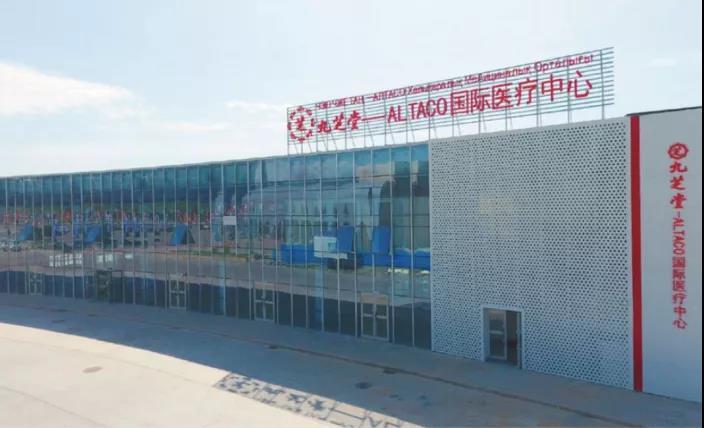
In response to the Belt and Road Initiative, the Group has partnered with Kazakhstan’s ALTACO Company to jointly establish the Jiuzhitang-ALTACO International Medical Center at the China-Kazakhstan Khorgos International Border Cooperation Center. The center officially opened in September 2019. Could we discuss details about the Jiuzhitang-ALTACO International Medical Center?
Meiko CEO Gao Yansong: ALTACO has collaborated with Stemedica, and their progress has been particularly rapid. Currently, they have successfully completed Phase II and Phase III clinical trials for acute myocardial infarction, and the drug has officially received approval from Kazakhstan’s Ministry of Health, paving the way for its market launch. As China and Kazakhstan enjoy a long-standing tradition of friendly neighborly relations, we already enjoy a solid foundation for exchanging knowledge in traditional Chinese medicine. As for the primary purpose of establishing this medical center, it aligns with the national "Belt and Road" initiative, aiming to promote the global outreach of TCM. During our recent visit to Kazakhstan, we observed that TCM enjoys widespread recognition and acceptance across Central Asian countries. Therefore, Jiuzhitang is setting up an international medical center here, hoping it will serve as a vital hub for fostering international exchanges in TCM. At the same time, the center also seeks to enhance collaboration in the field of regenerative medicine, learning from companies that are advancing clinical research at a fast pace. The clinical protocols and data generated by our Kazakh partners are highly valuable resources for us to study and adopt. To this end, we’ve already signed cooperation agreements with top Kazakh institutions, including the Kazakhstan National Medical Science Center and the Kazakhstan Neurosurgery Center, and are now preparing to embark on joint clinical initiatives.
What are your plans for Jiuzhitang Maker in the future? And how has the pandemic impacted Meiko?
Meiko CEO Gao Yansong: In the short term, Meike will prioritize advancing its ongoing clinical trials for stroke treatment, aiming to achieve highly promising results. China is the country with the highest incidence of stroke worldwide, and for the past 20 years, stroke has remained the leading cause of death among Chinese citizens. Currently, there are approximately 12.42 million stroke patients in China, with over 3 million new cases reported annually—and a mortality rate nearing 50%. As a result, stroke has emerged as a significant societal health challenge. Fortunately, Jiuzhitang already boasts substantial expertise in the stroke field, particularly with its flagship product, Shuxuetong Injection, which is specifically designed to treat stroke patients. Leveraging the Group’s strong capabilities in neurology, we are committed to delivering innovative treatment options that can benefit patients across the country.
At the beginning of this year, the COVID-19 pandemic presented both challenges and opportunities. Leading domestic experts, including Academicians Li Lanjuan, Zhong Nanshan, and Zhou Qi, have highlighted in various forums the promising role of stem cells in treating Acute Respiratory Distress Syndrome caused by COVID-19 pneumonia. Meanwhile, Meike has also secured funding from the Science and Technology Commission of Daxing District, Beijing, to kick off preclinical research on stem-cell-based therapies for novel coronavirus pneumonia. Currently, the COVID-19 situation in the U.S. remains severe, and Stemedica has already received FDA-approved Emergency IND status in the U.S., successfully treating 12 critically ill patients with COVID-19 pneumonia and demonstrating remarkable therapeutic efficacy. Moving forward, Meike plans to collaborate closely with Stemedica to conduct even more extensive research in this area.
The pandemic has once again highlighted the value of Traditional Chinese Medicine. Throughout China’s history, there have been countless outbreaks of infectious diseases, and traditional Chinese medicinal products have consistently played a vital role in combating them. In the face of COVID-19, TCM treatments have demonstrated remarkable effectiveness—products like Jiuzhitang’s Angong Niuhuang Wan have even been included in the National Health Commission’s Guidelines for the Diagnosis and Treatment of Novel Coronavirus Pneumonia. Looking ahead, Jiuzhitang will continue to strengthen its investment in both time-tested traditional Chinese medicine formulas for epidemic prevention and innovative therapies such as stem-cell technologies, further contributing to the fight against COVID-19.
About Dr. Gao Yansong, CEO of Jiuzhitang Maker
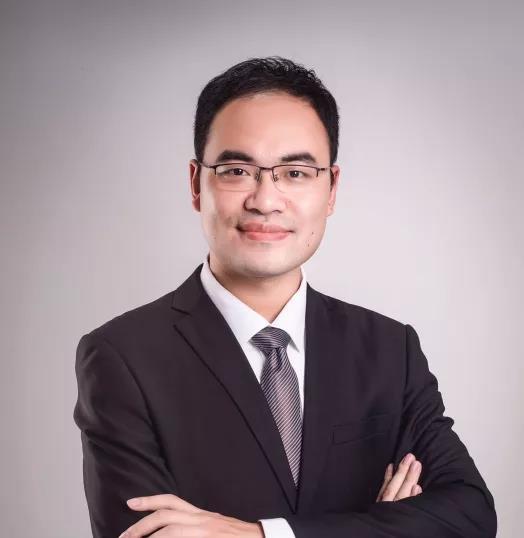
Educational Background: Ph.D. in Biochemistry and Molecular Biology from Tsinghua University, and Postdoctoral Fellow at the UT Southwestern Medical Center in Texas, USA.
Overview of Work and Research Experience: During my doctoral studies at Tsinghua University, I primarily focused on protein folding and interaction research. While at the Southwestern Medical Center of the University of Texas in the U.S., I worked under the mentorship of Michael Brown and Joe Goldstein, recipients of the 1985 Nobel Prize in Physiology or Medicine, concentrating on the molecular and physiological mechanisms underlying cholesterol metabolism signaling pathways. After returning to China in 2016, I joined the Tsinghua Strait Institute and currently serve as the Deputy Director of the Biotechnology and Pharmaceutical Research Center. In 2017, I was awarded the title of High-Level Overseas Talent Category B by Fujian Province.
In March 2018, he/she became the CEO of Jiuzhitang Maker (Beijing) Cell Technology Co., Ltd.
In March 2020, he was appointed Vice President of Jiuzhitang Group and Deputy General Manager of Jiuzhitang Co., Ltd.
Related News

Here is the title—h1 placeholder text


Copyright © Jiuzhitang Maker (Beijing) Cell Technology Co., Ltd.
Powered by: 300.cn SEO | Privacy Policy