

News
News Center
Those legendary stem cell pioneers—they will never be forgotten!
2020-04-07
Throughout human history, countless scientific heroes have contributed to the advancement of all humanity. Driven by a profound sense of historical mission, their legacy—though they may have passed away—continues to leave behind an invaluable treasure for society as a whole.
There are many remarkable scientific pioneers who deserve our heartfelt remembrance. Reflecting on them and recalling their groundbreaking achievements can guide us toward the future, while also inspiring in us the noblest sense of honor and a profound sense of historical mission.
Remembering the late stem cell scientist
During the Qingming season, when the willow breeze gently caresses your face without a hint of chill, we soak ourselves in a light spring rain, gather a handful of fresh flowers, and honor the memory of these brilliant scientists who made extraordinary contributions to stem cell research—and who quietly passed away. Together, let us carry forward the legacy of our predecessors, ensuring that the "flowers of science" continue to bloom ever more vibrantly.
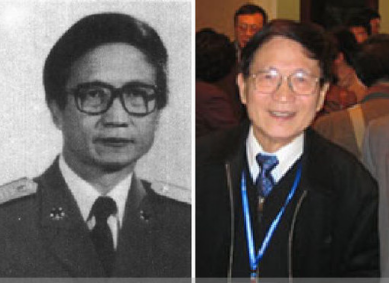
On April 12, 2013, Professor Tang Peixian passed away. Throughout his career, Professor Tang held several key positions, including Deputy Researcher, Researcher, Director of the Institute, and Vice President at the Academy of Military Medical Sciences. He also served as a Standing Committee Member of the Medical Science and Technology Committee under the General Logistics Department’s Health Bureau, and as a Director of the Chinese Society for Cell Biology. Professor Tang dedicated his entire life to advancing scientific research and nurturing talent in China’s fields of experimental hematology and stem cell biology. He began his research in hematology in the 1980s, pioneering studies on hematopoietic colonies and hematopoietic stem cells. By the late 1990s, he was among the first in China to initiate research on mesenchymal stem cells.
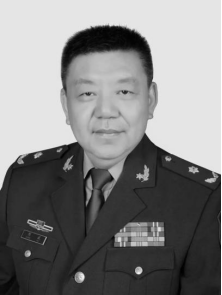
On the afternoon of July 24, 2019, Professor Chen Hu, Director of the All-Army Hematopoietic Stem Cell Transplantation Center and Vice Chairman of the Hematology Specialist Committee, passed away after suffering a sudden heart attack that proved fatal despite emergency medical efforts. Professor Chen had dedicated over 20 years to clinical and experimental research in hematopoietic stem cell transplantation, specializing in procedures for diseases such as leukemia and aplastic anemia, as well as exploring innovative immunotherapies for cancer. Under his leadership, the department successfully performed more than 1,000 hematopoietic stem cell transplants of various types, establishing the center as a national leader in this field.
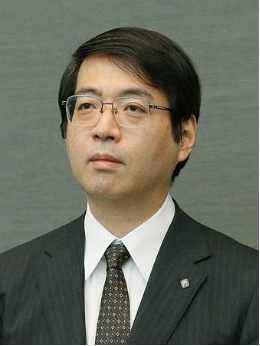
On August 5, 2014, Japan’s renowned cell biology expert Yoshiki Sasai passed away at the age of 52. Born in Hyogo Prefecture, Japan, Sasai graduated from the Faculty of Medicine at Kyoto University in 1986 and went on to become a professor at Kyoto University’s Institute for Integrated Cell-Material Sciences at the age of 36. In 2003, he joined the RIKEN Institute, where he served as deputy director starting in 2013. Sasai was a direct disciple of Sir John Gurdon, the British scientist and 2012 Nobel laureate. His groundbreaking work involved creating three-dimensional brain and eye tissues using embryonic stem cells (ES cells), which garnered widespread acclaim. In 2013, Sasai was appointed head of Japan’s national-level project focused on leveraging ES cells and induced pluripotent stem cells (iPS cells) to develop treatments for eye diseases, actively promoting the translation of his research findings into clinical applications.
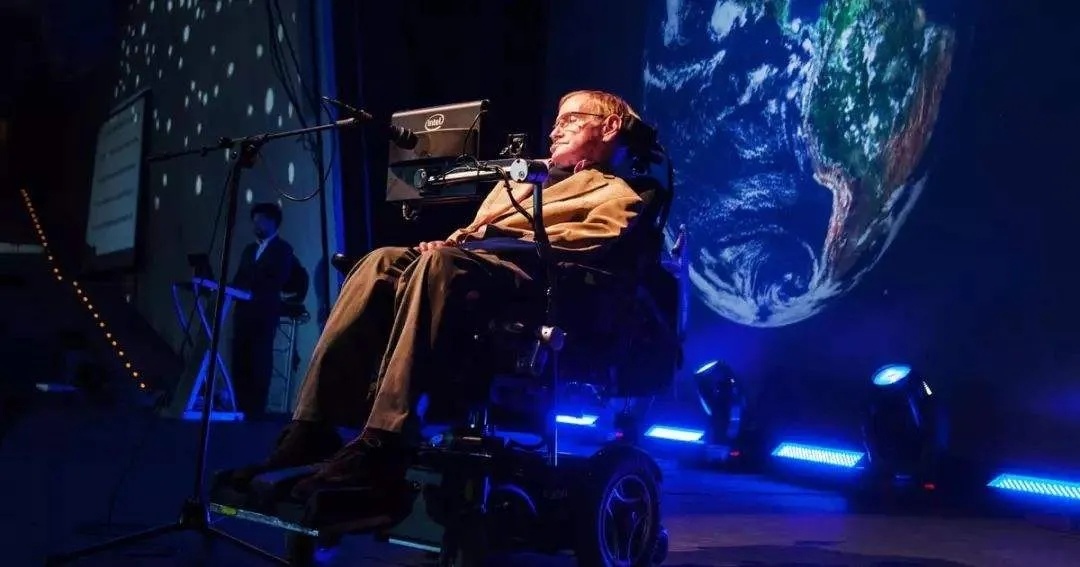
A World-Renowned Physics Master with an Unbreakable Bond to Stem Cells
On March 14, 2018, 76-year-old British theoretical physicist Stephen Hawking passed away, leaving behind a legacy of groundbreaking achievements in cosmology and black hole research that captured global attention. In 2014, Hawking collaborated with Discovery to produce a documentary exploring the potential of stem cells, during which he remarked: "We look up at the sky, pondering humanity's place in the universe; meanwhile, stem-cell scientists delve into the depths of the human body, contemplating how to propel our entire species forward. Before us lies a brave new world—and I truly believe we can harness this knowledge to benefit all of humanity. Over the next few decades, I’m confident they’ll develop treatments that could extend people’s lives for many years to come. Yet at the same time, I can’t help but acknowledge that perhaps my own life was born just a bit too early; regrettably, I may not live to witness the golden age of stem-cell science."
This deep concern for the fate of humanity, coupled with our passionate belief and confidence in cell science, inspires us to keep moving forward—until the very end of life itself.
As a patient suffering from ALS, Stephen Hawking’s legendary life inspires both awe and respect. Once diagnosed with this devastating disease, the body gradually freezes—first the legs, then the arms, and eventually even the fingers may be affected. Sadly, the muscles controlling vital functions like vocal cord movement and eye movements aren’t spared either. Yet, throughout it all, the patient’s mind remains razor-sharp, forced to watch helplessly as every bodily function deteriorates alongside the progressive muscle atrophy—ultimately leading to paralysis and, ultimately, death due to respiratory failure. If only Hawking had lived just a bit longer, advancements in stem-cell research could have offered groundbreaking hope, potentially transforming the grim reality for ALS patients by providing effective treatments. Thanks to pioneers like him, scientists battling ALS might one day unlock even greater discoveries, enabling individuals like Hawking to continue contributing their unparalleled intellect—and perhaps even making even more profound impacts on the world.
Currently, dozens of stem cell clinical studies have been registered in China, covering a wide range of conditions such as stroke, premature ovarian failure, diabetes, liver cirrhosis, psoriasis, knee osteoarthritis, myocardial infarction, infertility, empty nose syndrome, systemic lupus erythematosus, intrauterine adhesions, dry age-related macular degeneration, and pediatric cerebral palsy. Although the types of stem cells used vary across these clinical projects, mesenchymal stem cells are prominently featured in many of them. Researchers have also strongly endorsed the clinical value of mesenchymal stem cells in these studies.
Carrying forward the legacy of our predecessors, Meike is taking action.
In February 2020, Jiuzhitang Maker received approval for a clinical trial using imported bone marrow mesenchymal stem cells to treat ischemic stroke. The stem cell product employed in this trial is ischemia-tolerant allogeneic human bone marrow mesenchymal stem cells (ithMSC), manufactured by the U.S.-based company Stemedica. Stemedica produces its ithMSC products under fully controlled hypoxic conditions, and the company’s manufacturing processes and quality systems comply with U.S. cGMP standards and FDA requirements.
Jiuzhitang Maker (Beijing) Cell Technology Co., Ltd., the exclusive Chinese partner of U.S.-based Stemedica for stem cell technology, has acquired the core technologies enabling large-scale, standardized, and traceable stem cell production by introducing Stemedica’s globally advanced, clinical-grade stem cell preparation platform—filling a critical gap in China. Moving forward, Jiuzhitang Maker will collaborate with Beijing Tiantan Hospital, Affiliated to Capital Medical University, to conduct clinical trials aimed at treating ischemic stroke.
We will never forget the legacy of the pioneering scientist who dedicated her life to stem cell research. At Meike, we remain deeply committed to our spirit of innovation, steadily pushing forward as we tirelessly strive toward our unwavering goal: to bring high-quality stem cell therapies to every patient at last—so that suffering can be eased and lives can once again flourish with vitality and hope.
Related News

Here is the title—h1 placeholder text


Copyright © Jiuzhitang Maker (Beijing) Cell Technology Co., Ltd.
Powered by: 300.cn SEO | Privacy Policy