

News
News Center
Frontier: Latest Research Advances in Stem Cell Therapy for Liver Cirrhosis
2020-03-19
With the rapid advancement of modern stem cell research, the unique regenerative capabilities of stem cells—and their promising potential in treating hard-to-cure diseases—are attracting increasing attention. In recent years, numerous studies have explored the use of stem cells to address liver damage, particularly in the context of end-stage liver disease, where conventional treatments have proven largely ineffective. Yet, stem cells have demonstrated remarkable potential in this area, offering new hope for patients with advanced liver conditions.
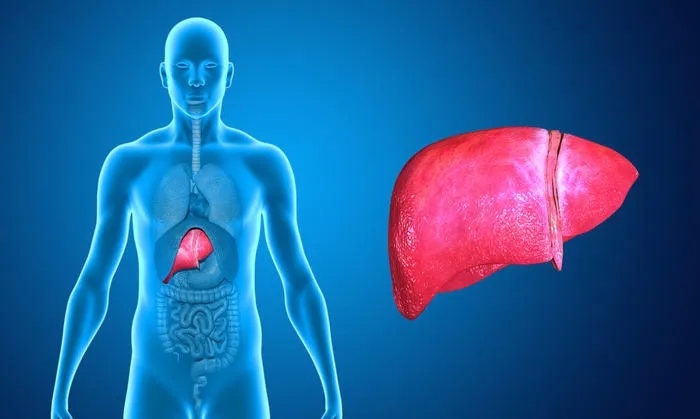
Traditional methods yield unsatisfactory results in treating liver cirrhosis.
According to statistics, China has approximately 20 million chronic hepatitis B patients, among whom nearly 25% to 30% may develop liver cirrhosis. Of these, 15% of those with cirrhosis could progress to decompensated liver cirrhosis, while 5% to 20% may eventually develop hepatocellular carcinoma.
Liver cirrhosis is primarily caused by viral hepatitis, with hepatitis B being the most common culprit. In most cases of end-stage liver disease, liver function has already been severely compromised, often accompanied by a range of high-risk side effects. Traditional liver-protective therapies can only alleviate clinical symptoms—they cannot reverse the damage.
Currently, the traditional treatment for end-stage liver cirrhosis is liver transplantation. While liver transplantation is an effective intervention for advanced liver cirrhosis, its clinical application remains limited due to factors such as the availability of donor organs and high surgical costs. Therefore, it is crucial to identify simple and effective approaches to manage end-stage liver cirrhosis.
Stem cells offer new insights into intervening in liver cirrhosis.
In recent years, stem cells have been effectively used in clinical settings to treat a variety of challenging and complex diseases. Emerging evidence also suggests that stem cells can play a promising role in addressing certain liver conditions, including hepatitis and cirrhosis.
Currently, mesenchymal stem cells are the primary focus of research aimed at intervening in end-stage liver cirrhosis. These cells possess immunomodulatory properties and can differentiate into hepatocytes, promoting in-situ liver cell regeneration while simultaneously inhibiting the activation of hepatic stellate cells. By addressing the root cause of impaired hepatocyte regeneration, mesenchymal stem cells offer a promising new approach to managing end-stage liver cirrhosis.
Mesenchymal stem cells are believed to have the potential to intervene in end-stage liver cirrhosis, primarily due to their ability to home in on injury sites and undergo multipotent differentiation—capable of transforming into hepatocyte-like cells while simultaneously reshaping the local microenvironment. Additionally, the chemokine stromal cell-derived factor-1 (SDF-1) is produced at tissue injury sites, attracting these cells to the area.
Four Mechanisms of Stem Cell Intervention in Liver Cirrhosis
In recent years, with the advancements in stem cell research and regenerative medicine, stem cell-based cell transplantation has emerged as a promising new approach to treating liver cirrhosis. Stem cell therapy for liver cirrhosis has become the preferred method due to its minimal invasiveness, few side effects, and remarkable efficacy. Studies have shown that stem cells possess versatile differentiation capabilities, immune-modulating properties, and tissue-repairing functions. By repairing or replacing damaged liver cells and tissues, stem cells can effectively alleviate clinical symptoms in patients with liver cirrhosis, significantly improving their quality of life and reducing pain.
Four mechanisms of stem cell intervention in liver cirrhosis:
1. Multidirectional Differentiation: Under specific cellular microenvironment conditions, stem cells can be induced to differentiate into hepatocytes, helping to replenish damaged liver cells. This process restores the balance between collagen fiber degradation and production, thereby reversing the progression of liver fibrosis.
2. Immunosuppression: Stem cells can suppress the innate immune system responses, including those mediated by monocytes/macrophages, dendritic cells, and natural killer cells. Additionally, they inhibit adaptive immune responses by curtailing the proliferation of CD8+ cytotoxic lymphocytes, while simultaneously increasing the ratio of CD4+ Th2 lymphocytes to CD4+ Treg cells. By modulating both innate and adaptive immune responses, stem cells help reduce inflammatory cell infiltration and cytokine release during the process of liver fibrosis.
3. Paracrine Signaling: Experiments have shown that stem cells can secrete various trophic factors, including growth factors, cytokines, and chemokines—such as milk fat globule-epidermal growth factor 8 (MFGE8), IL-10, IL-4, transforming growth factors β1 and β3, hepatocyte growth factor, as well as TNF-α and IFN-γ. These factors play a critical role in regulating HSF proliferation and modulating HSF collagen synthesis.
4. Inhibiting HSC Activity: Hepatic stellate cells (HSCs) are the primary producers of extracellular matrix in the liver. During chronic liver injury, HSCs become activated and transform into myofibroblasts, which exhibit fibrotic characteristics. Over the past few years, numerous studies have consistently demonstrated that pharmacological deactivation or removal of myofibroblasts, combined with the use of fibrinogen antagonists, leads to a significant reduction in fibrosis. Moreover, human umbilical cord and bone marrow-derived mesenchymal stem cells effectively suppress HSC proliferation, induce apoptosis in these cells, and markedly decrease the production of key pro-fibrotic factors such as TGF-β1, while simultaneously enhancing the secretion of anti-fibrotic cytokines like HGF and IL-S.
Clinical studies have confirmed that stem cell intervention is safe and effective for treating liver cirrhosis.
Currently, clinical studies on stem cell therapy for liver diseases are being widely conducted worldwide, including in countries such as China, Switzerland, Iran, Italy, and Egypt. The research findings indicate that stem cells can improve Child and MELD scores, serum albumin levels, serum bilirubin, and ALT levels in patients with severe liver cirrhosis, while also effectively enhancing patients' quality of life—with no reported adverse effects.
In China, stem cell therapy for liver diseases has also achieved certain clinical progress, with many universities and hospitals conducting clinical trials to explore the efficacy of mesenchymal stem cells in treating liver conditions.
In June 2019, Renmin Hospital of Wuhan University officially launched a clinical research project using human umbilical cord-derived mesenchymal stem cells to treat hepatitis B-related liver cirrhosis (compensated stage), and is now recruiting 82 hepatitis B patients from the public to receive free stem cell therapy. According to an announcement on the official website of Renmin Hospital of Wuhan University, two participants have already undergone stem cell treatment, with stable vital signs, no allergic reactions or rejection responses, and no psychological discomfort such as anxiety.
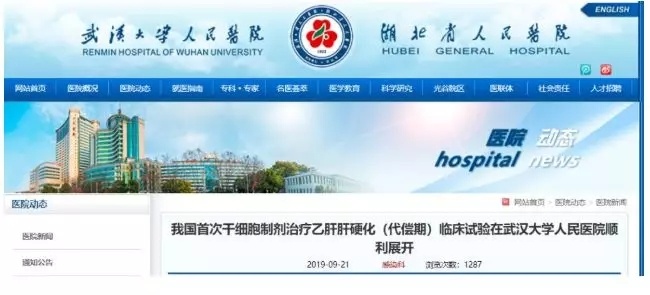
Upon reviewing the available information, it was found that, in addition to the project conducted by Wuhan University, other institutions such as the Shanghai Liver Disease Research Center of the Nanjing Military Region of the PLA, the Shanghai Public Health Clinical Center affiliated with Fudan University, and the Songgang People's Hospital in Shenzhen, Guangdong Province, are also carrying out related research.
In summary, the unique advantages of stem cells and their diverse mechanisms of action have played a crucial role in treating liver cirrhosis. As research on stem cells continues to advance, refining our understanding of their underlying mechanisms and optimizing intervention parameters, the potential for using stem cell therapies to treat liver cirrhosis looks exceptionally promising.
Statement: This article was compiled from Cell World.
Related News

Here is the title—h1 placeholder text


Copyright © Jiuzhitang Maker (Beijing) Cell Technology Co., Ltd.
Powered by: 300.cn SEO | Privacy Policy