

News
News Center
The Phase IIa clinical trial kickoff meeting for Jiuzhitang Maker's stem cell therapy targeting rare lung diseases was successfully held.
2023-11-04
On November 1, 2023, the kickoff meeting for the clinical trial of human bone marrow mesenchymal stem cell injection therapy for a rare lung disease—autoimmune alveolar proteinosis (aPAP)—jointly conducted by Jiuzhitang Maker (Beijing) Cell Technology Co., Ltd. (hereafter referred to as "Jiuzhitang Maker") and the First Affiliated Hospital of Guangzhou Medical University (hereafter referred to as "Guangyi Yiyuan"), was successfully held. Academician Zhong Nanshan attended the entire event and provided guidance throughout the trial.

This is Jiuzhitang Maker’s first domestically developed stem-cell-based new drug (Class 1 biologic), as well as the world’s first clinical trial for a new treatment using human bone marrow mesenchymal stem cells to address autoimmune alveolar proteinosis (aPAP).
This clinical trial is an open-label Phase IIa study evaluating the safety and preliminary efficacy of human bone marrow mesenchymal stem cell (hBMMSC) injection in treating autoimmune alveolar proteinosis (aPAP). The investigational drug for this trial is the hBMMSC injection, a stem-cell product independently developed by Jiuzhitang Maker. Derived from the bone marrow of healthy, young adult donors, these cells are cultured throughout the process under low-oxygen conditions that closely mimic the body’s natural physiological environment. This product is classified as a Class I biologic in China and is clinically intended for the treatment of autoimmune alveolar proteinosis (aPAP).
Pulmonary alveolar proteinosis PAP It is a diffuse lung disease characterized primarily by breathing difficulties caused by the abnormal deposition of pulmonary surfactant within alveolar macrophages and the alveolar space. Among these conditions, autoimmune pulmonary alveolar proteinosis (aPAP) is the most common, accounting for 90% of PAP patients. Clinical manifestations vary widely, ranging from asymptomatic cases to life-threatening respiratory failure. Currently, there are no approved drugs in China specifically indicated for treating aPAP, making the development of safe and effective therapies an urgent unmet clinical need.
This project is led by Professor Li Shiyue, Deputy Director of the Guangzhou Institute of Respiratory Health, Deputy Director of the National Center for Respiratory Medicine, and Director of the Department of Respiratory Medicine at the First Affiliated Hospital of Guangzhou Medical University. The team boasts profound expertise in several key areas of respiratory medicine, including interventional pulmonology, diffuse lung diseases, and critical respiratory care.
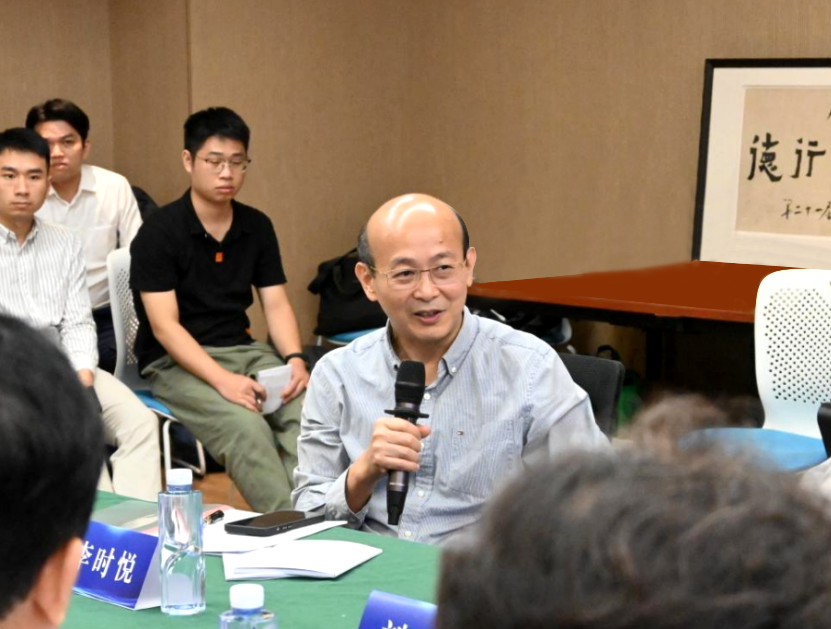
Professor Li Shiyue, the principal investigator of the project, led the medical expert team in providing a detailed overview of the clinical trial protocol for Jiuzhitang Maker’s novel stem-cell therapy targeting autoimmune alveolar proteinosis (aPAP). The presentation covered key aspects such as the study background, inclusion and exclusion criteria, group allocation design, and measures to safeguard participants' rights and interests. Attendees from various stakeholders engaged in an in-depth and thorough discussion on the scientific rigor, ethical considerations, and regulatory compliance of the research plan.

Professor Li Shiyue stated that he will now lead the expert team to meticulously and rigorously engage in the clinical trial research on autoimmune alveolar proteinosis (aPAP), in collaboration with Jiuzhitang Maker. He expressed hope that both sides will work together seamlessly, pooling their strengths to steadily advance the project and jointly accelerate the translation of stem cell research findings into practical applications.
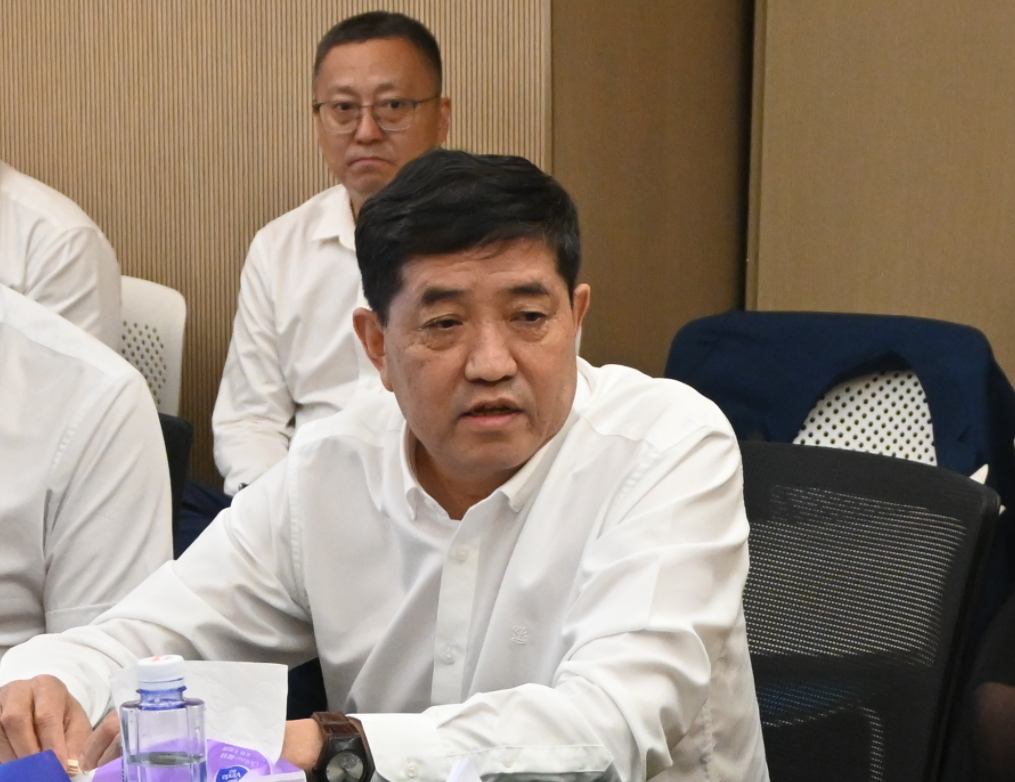
Li Zhenguo, Chairman of Jiuzhitang, stated that although developing stem-cell-based medicines is a long and arduous process, stem-cell therapy offers hope in tackling many diseases that have remained stubbornly resistant to conventional treatments. As a time-honored brand with over a century of history, Jiuzhitang feels deeply committed to playing its part in advancing China’s innovative biopharmaceutical research and development in the stem-cell field, actively driving the growth of the stem-cell industry—both in China and globally.
Jiuzhitang Maker, a wholly-owned subsidiary of Jiuzhitang, is dedicated to advancing research in stem cell therapy for severe, intractable diseases and rare conditions. The company has established a nationally leading stem cell technology system, along with innovative platforms for scientific research and industrialization. It is also certified by the China Association of Medical Biotechnology as a stem cell preparation company. All of its stem cells—produced from different donors and across multiple batches—have successfully passed comprehensive quality tests conducted by the National Institute for Control of Pharmaceutical and Biological Products, with results consistently meeting regulatory standards. To date, Jiuzhitang Maker has been approved to initiate two clinical research projects focused on stem cell therapies.
The kickoff meeting for the new clinical trial of "Human Bone Marrow Mesenchymal Stem Cell Injection" between Jiuzhitang Maker and the First Affiliated Hospital of Guangzhou Medical University went exceptionally smoothly. This marks a recognition and affirmation of Jiuzhitang Maker's steady, step-by-step approach to strengthening its core capabilities—and their continuous efforts to refine and enhance both stem cell production processes and their quality management system.
We look forward to leveraging the Guangzhou Medical University First Hospital's extensive domestic experience in treating rare respiratory diseases, combined with Jiuzhitang Maker’s well-established, mature stem-cell production processes and robust quality management system, to accelerate the clinical application of human bone marrow-derived mesenchymal stem cells for a rare lung condition—autoimmune alveolar proteinosis (aPAP)—and ultimately deliver meaningful, stage-specific breakthroughs that bring renewed hope to an increasing number of patients suffering from this debilitating disease.
Related News

Here is the title—h1 placeholder text


Copyright © Jiuzhitang Maker (Beijing) Cell Technology Co., Ltd.
Powered by: 300.cn SEO | Privacy Policy