

News
News Center
Henan Provincial Development and Reform Commission: Supports launching pilot reforms in areas such as cell therapy, leveraging the China (Henan) Pilot Free Trade Zone.
2022-08-12
On August 8, 2022, the Henan Provincial Development and Reform Commission released the "Henan Province Implementation Plan for Promoting the Bioeconomy," outlining a goal to achieve a bioeconomy value-added of over 500 billion yuan by the end of the 14th Five-Year Plan period, accounting for approximately 7% of the region's GDP.
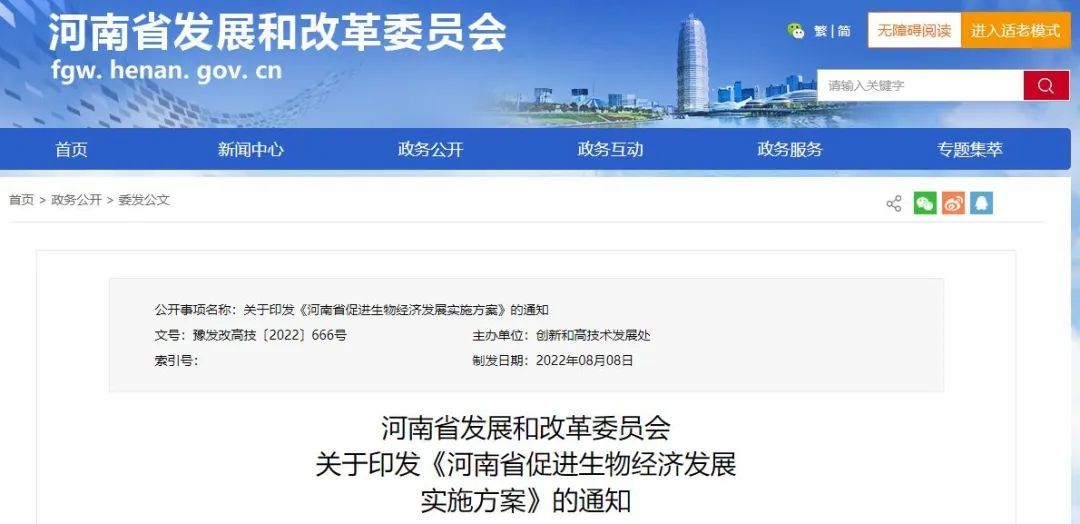
The plan explicitly states:
Deepen innovation and collaborative exchanges. Guide the concentration and development of innovation and industrial resources, strengthen cross-regional collaboration in science, technology, and industry, promote specialized division of labor and coordinated development among cities, and facilitate the orderly flow of key production factors. Accelerate efforts to modernize the innovation capabilities of industrial and supply chains. Encourage bio-enterprises to establish more efficient and mutually beneficial international R&D partnerships for pharmaceuticals and medical devices—such as by setting up overseas R&D centers and building global sales and service networks. Accelerate the development of an internationally collaborative biotechnology park, foster global partnerships in the healthcare sector, and explore the development and application of cutting-edge biotherapeutic and diagnostic technologies within the free trade pilot zone.
Innovate institutional mechanisms. Focus on technological innovation and pilot reforms in fields such as biomedicine, bio-agriculture, bioenergy, and bio-environmental protection. Explore the development of forward-looking institutional frameworks and policy implementation systems tailored to the era of the bioeconomy. Strengthen alignment with key regions like Beijing-Tianjin-Hebei, the Yangtze River Delta, and the Greater Bay Area, deeply tapping into opportunities for industrial collaboration while attracting and cultivating high-caliber talent. Continuously deepening international cooperation, we support leveraging the China (Henan) Pilot Free Trade Zone to launch pilot reforms in areas such as cell therapy, traditional Chinese medicine, and regulatory oversight of Chinese medicinal products and medical devices. Additionally, we encourage medical institutions within the zone to import urgently needed, highly effective foreign-approved drugs and medical devices that are not yet available on the domestic market.
Original text:
Henan Province's Implementation Plan for Promoting the Bioeconomy Development
To accelerate the development of the bioeconomy in our province, this implementation plan has been formulated based on the national "14th Five-Year Plan for Bioeconomy Development," combined with Henan's specific development conditions.
I. General Requirements
(1) Significant Importance
With the rapid advancement of life sciences and biotechnology, particularly through innovative integrations with technologies in information, materials, energy, and more, the bioeconomy has emerged as a critical force driving strategic emerging industries and shaping the future of economic development. Together with the digital economy, it is now powering the transformation and upgrading of economies while fostering high-quality growth. The "14th Five-Year Plan" period presents a rare opportunity for biotechnology to accelerate its evolution, amid surging health demands and the explosive growth of the bioindustry. Recognizing this as a strategic move to build new competitive advantages, the nation is aggressively promoting biotech innovation and its industrial applications. Efforts are focused on leveraging biotechnology to drive economic and social progress, accelerating the establishment of a modern bioindustry framework, and systematically advancing the sustainable conservation and utilization of biological resources—while firmly reinforcing biosecurity safeguards. Our province stands out as a leading national producer of high-quality agricultural products and ranks steadily among the top five regions nationwide in terms of biopharmaceuticals. Moreover, cutting-edge innovation platforms such as the National Bio-breeding Industry Innovation Center, the Shennong Seed Industry Laboratory, and the Longhu Modern Immunology Laboratory are rapidly gaining momentum. With abundant biological resources, a robust industrial foundation, and an expansive consumer market, our province is well-positioned to strengthen and elevate its bioeconomy. However, we must also acknowledge significant challenges: our province still struggles with weak original capabilities in biotechnology, faces the paradox of being large yet not truly strong in bioagriculture and biomedicine, and lacks a fully developed system for protecting, managing, and harnessing biological resources. Additionally, we confront pressing dual threats—traditional biosecurity concerns intertwined with emerging risks related to biotechnology. Today, our province is at a pivotal moment, transitioning toward more sustainable development models and refining its economic structure. By aligning with global trends in biotechnological innovation, capitalizing on our region’s unique strengths, and seizing the historic chance presented by the booming bioeconomy, we can thoughtfully plan and systematically advance the development of our bioeconomy. This approach will not only help cultivate and expand cutting-edge, competitive industries, boosting the overall industrial competitiveness of the province—but also pave the way for a seamless shift from old to new growth drivers. Furthermore, it will position our province as a hub for bioeconomic innovation and development, enhancing our capacity for independent innovation and mastering core technologies. Ultimately, nurturing a thriving bioeconomy will foster harmonious coexistence between humans and nature, better meeting the aspirations of our people for a higher quality of life. Ultimately, pursuing these goals is essential for upholding the overarching national security strategy, balancing development with security imperatives, and comprehensively strengthening our province’s biosecurity defenses. Achieving these objectives will play a vital role in realizing the province’s dual goals of ensuring stability and prosperity, as well as successfully implementing the “Ten Major Strategies” that underpin our long-term vision for sustainable growth.
(II) Guiding Principles
Deeply study and implement the important instructions of General Secretary Xi Jinping on biosecurity, biotechnology innovation, and their industrial application, fully carrying out the directives outlined at the 11th Provincial Party Congress. Strengthen strategic, forward-looking, and systematic research, while simultaneously coordinating biotechnology development with biosecurity risk management and prevention. Optimize and adjust industrial layouts, driving initiatives to enhance innovation capabilities, foster cluster-based industry growth, elevate key sectors, and improve the overall development environment. Accelerate the integration of the bioeconomy with the digital economy, speeding up the adoption of biotechnology across production, daily life, and ecological applications. Ultimately, establish a robust system encompassing biotechnology innovation, modern bio-industries, sustainable bioresource conservation and utilization, and comprehensive biosecurity safeguards—aiming to build a leading national powerhouse province in the bioeconomy.
(III) Spatial Layout
Based on Henan's resource endowments, industrial foundation, and regional characteristics, and with the goal of striving to become a national bioeconomy pioneer zone, the province is focusing on building an industrial layout centered around "One Core and Five Bases." The "One Core" refers to the bioeconomy core area driven by the coordinated development of Zhengzhou and Xinxiang, while the "Five Bases" encompass five distinct bioeconomy hubs in Luoyang, Puyang, Nanyang, Shangqiu, and Zhoukou. This approach supports local areas in leveraging their unique advantages and developing bioeconomies tailored to their specific conditions, ultimately fostering a new development model characterized by core-driven growth, base-level support, and vibrant, competitive advancement across the region.
(IV) Development Goals
By 2025, the province’s bioeconomy will achieve leapfrog development, becoming a powerful driver for high-quality growth across the region. Meanwhile, efforts to strengthen biosecurity risk prevention and control, as well as the construction of a robust governance system, will continue to advance. The industry is set to expand steadily, with the bioeconomy's added value exceeding 500 billion yuan by the end of the 14th Five-Year Plan period, accounting for approximately 7% of the region’s GDP. Key sectors such as biopharmaceuticals, bio-agriculture, biomaterials, and biomanufacturing are expected to see their annual added value grow by around 10%, on average. At the same time, the province’s innovation capacity will see a significant boost, with substantial increases in investment in basic research within life sciences. High-level domestic and international innovation resources will increasingly converge, leading to new breakthroughs in critical core technologies. This, in turn, will enhance the competitiveness and radiating influence of bio-innovation platforms, laying the foundation for the emergence of a premier hub for bioeconomy-driven innovation and development. Notably, cluster-based development has yielded remarkable results, fostering greater coordination and stability across key industrial, innovation, and supply chains—including biopharmaceuticals, biomanufacturing, bioagriculture, bio-environmental protection, and bioenergy sectors. Additionally, the influence of strategic clusters like bio-breeding, bio-based materials, and biopharmaceuticals has significantly expanded. Finally, groundbreaking progress has been made in institutional and systemic reforms, particularly in areas such as technological innovation, regulatory oversight, market application, financial innovation, product pricing, and international collaboration. These reforms have spurred the rapid rise of new technologies, industries, business models, and market dynamics, while boosting the contribution of innovative products and services to overall bioeconomy growth. As a result, the construction of the nation’s pioneering bioeconomy zone is already showing promising early results.
By 2035, our province will firmly maintain a leading position in China's bioeconomy, with R&D investment intensity reaching advanced domestic levels. Our industries will not only achieve high-quality growth but also gain international competitiveness. Additionally, we will have essentially established a scientifically sound and well-organized system for resource conservation and utilization, along with a robust and efficient safety prevention and assurance framework.
II. Main Tasks
(1) Building a World-Class Biotechnology Innovation System Domestically
1. Strengthen the foundational and applied research in the bioindustry. Focus on cutting-edge areas such as clinical medicine and health management, innovative drug development, synthetic biology, prevention and control of emerging infectious diseases, bio-breeding, biodegradable materials, and biosafety. Actively participate in major national science and technology projects, implement key R&D programs, and establish a series of platforms for developing critical enabling technologies and facilitating technology transfer. Accelerate the establishment of flagship laboratories in the life sciences, while also planning and building advanced interdisciplinary research hubs. Enhance operational openness and data sharing across these platforms. Support institutions like the Provincial Academy of Sciences, the Provincial Academy of Agricultural Sciences, and Henan Agricultural University—along with other universities and research institutes—to initiate and engage in domestic and international scientific initiatives, contributing to the formulation of domestic and global rules and standards in the bioindustry.
2. Strengthen the cultivation of innovation-driven entities. Support bio-innovation companies in deeply cultivating niche markets, fostering their developmental strengths, and nurturing them into globally competitive single-champion enterprises. Accelerate the establishment of an innovative enterprise cluster system led by industry-leading "gazelle" companies—characterized by high-tech enterprises as the backbone and technology-based SMEs serving as the foundation. Relying on these leading enterprises to spearhead the formation of "systematic, mission-oriented, and open" innovation consortia, leverage major research projects as a catalyst to drive R&D and industrial application of critical core technologies in the ecological sector, thereby boosting collaborative innovation across the entire value chain—spanning upstream and downstream industries, as well as among large, medium, and small businesses. Additionally, encourage influential user organizations to take the lead in establishing production-application joint ventures, collaborating closely with manufacturing firms to jointly advance bioproduct innovation and demonstration validation. This will help create a positive feedback loop for sustainable development: "application demonstration → feedback-driven improvement → capability enhancement → widespread adoption." Finally, promote the creation of industry research institutes and innovation development alliances, strengthen and refine the standards framework for bio-products and services, foster deep integration among academia, industry, research, and application, and ultimately elevate both the quality and efficiency of the industry's growth.
3. Deepen innovation and cooperation exchanges. Guide the clustering and development of innovation and industrial resources, strengthen cross-regional collaboration in scientific and technological innovation and industry, foster specialized division of labor and coordinated development among cities, and facilitate the orderly flow of key production factors. Accelerate efforts to modernize industrial, supply, and innovation chains. Encourage bio-companies to establish more efficient, mutually beneficial international R&D partnerships for pharmaceuticals and medical devices—such as by setting up overseas R&D centers and expanding global sales and service networks. Speed up the construction of internationally collaborative biopharmaceutical parks, promote global cooperation in the healthcare sector, and explore the development and application of cutting-edge biotherapeutic and diagnostic technologies within free trade pilot zones.
(II) Building a Modern Biotechnology Industry System with Core Competitiveness
1. Strengthen and enhance the bio-agriculture sector. Accelerate the establishment of the National Bio-breeding Industry Innovation Center, actively promote the construction of the Shennong Seed Industry Laboratory and the Longhu Modern Immunology Laboratory, and optimize and refine the breeding technology systems for major crops. Enhance the safety monitoring and product traceability frameworks for bio-breeding, establish a group of research institutions equipped with world-class R&D capabilities, and nurture a cluster of internationally competitive modern bio-seed enterprises (groups), ultimately fostering a bio-breeding industry cluster worth hundreds of billions of yuan. Support the conservation and utilization of agricultural genetic resources, foster breeding innovation, improve variety testing and seed production infrastructure, and develop and promote groundbreaking new crop varieties to bolster the core competitiveness of seed companies. Actively advance the selection and dissemination of high-resistance, high-quality corn and soybean varieties for food crops, while also driving research and scientific farming practices focused on superior breeds of livestock—such as high-quality pigs, meat chickens, and dairy cows—as well as aquatic species. Additionally, develop bio-veterinary drugs and biological feed additives that can replace antibiotics, paving the way for their large-scale industrial production and widespread application.
2. Optimize and upgrade the biopharmaceutical industry. Deeply advance the evaluation of generic drug quality and therapeutic equivalence, promoting the substitution of generic drugs in clinical practice. Establish an ecological cultivation system for traditional Chinese medicinal materials, enhancing their standardization and quality control. Drive quality upgrades for leading Chinese medicine products, accelerate the industrialization of standardized Chinese medicine granules and extract standards, and foster both the inheritance and innovation of TCM theories. Additionally, encourage the integration and innovation of biotechnology with cutting-edge fields such as precision machinery, advanced materials, and additive manufacturing, paving the way for the development of high-end medical imaging equipment. Optimize a comprehensive range of technologies and products, including immunodiagnostic tools, microbial detection systems, complementary instruments, and critical raw materials—forming what will become the nation’s largest production base for in vitro diagnostic products. Pioneer breakthroughs in cutting-edge biotechnological innovations, strengthening R&D efforts in areas like microfluidics and highly sensitive biosensing technologies. Furthermore, develop intelligent medical devices such as remote monitoring systems, wearable health tech, advanced ultrasound imaging equipment, and medical robots. Finally, collaborate with high-tech, high-quality enterprises and healthcare institutions to launch pilot programs for integrated medical-pharmaceutical consortia, pioneering new growth models for the pharmaceutical industry. This initiative aims to elevate the overall quality and competitiveness of China’s pharmaceutical sector, while exploring innovative pathways to lead global advancements in the field.
3. Strengthen and develop the bioenergy industry. Actively promote the development of comprehensive utilization systems for biomass resources—including collection, transportation, densification, gasification, power generation, and heat supply—while breaking through advanced biomass energy and chemical technologies. Foster the growth of diversified co-production products based on non-grain biomass liquid fuels, and explore pilot demonstrations for cellulose ethanol and green biorefining at an industrial scale. Promote the orderly expansion of biomass power generation and drive a transition toward combined heat and power (CHP) systems. Vigorously advance the adoption and application of advanced biofuels in key sectors such as municipal services and transportation, accelerating the shift from fossil fuels to sustainable, low-carbon, and renewable energy sources. Additionally, invest in research and development of innovative biomass energy technologies, steadily expanding applications like biomass-based gas and heat supply, as well as bio-liquid fuels. Finally, cultivate a group of specialized, leading enterprises focused on biomass equipment manufacturing, high-value product development, and integrated service solutions.
4. Promote the standardized development of the bio-environmental protection industry. Leveraging biomanufacturing technologies, we will drive the biological replacement of chemical raw materials and processes, vigorously advancing the production of high-performance bio-based environmental protection materials and bioproducts. This initiative aims to foster deep integration between biotechnology and key industrial sectors such as chemicals, pharmaceuticals, materials, and light industry, enabling a transformative shift toward greener, low-carbon, non-toxic, low-toxicity, and sustainable growth models. By harnessing functional microorganisms, enzyme preparations, and other biotechnologies, we’ll enhance efforts in areas like nitrogen and phosphorus removal from water bodies, heavy-metal remediation in contaminated soils, and efficient utilization and disposal of solid waste. Additionally, this approach will help elevate the comprehensive use of crop residues while developing cutting-edge bio-environmental solutions—including bioremediation monitoring systems, biodegradation and bio-remediation technologies, and innovative strategies for recovering and reusing biological resources.
5. Actively develop new models for the bioeconomy. Focusing on major diseases such as cardiovascular and cerebrovascular disorders, cancer, respiratory illnesses, and diabetes, we will leverage artificial intelligence technologies, biomedical advancements, and vast health-related big data resources to create intelligent decision-support knowledge models and algorithms, providing crucial guidance for disease diagnosis and treatment. Additionally, by harnessing cutting-edge technologies like 5G, blockchain, and the Internet of Things, we’ll enable comprehensive lifecycle management of pharmaceuticals and vaccines, establishing robust drug traceability systems. We’ll also actively promote "Internet + Healthcare," building regional remote medical service centers and third-party imaging information hubs to seamlessly integrate online and offline healthcare services. Furthermore, we’ll expand convenient services such as "online ordering with in-store pickup" and "online ordering with home delivery" for over-the-counter medications, while creating a smart platform for sharing health and elderly care information, ultimately enhancing the quality of life for aging populations and other vulnerable groups.
(III) Establishing a Systematic Framework for the Conservation and Sustainable Use of Biological Resources
1. Strengthen efforts to protect agricultural germplasm resources. Conduct comprehensive surveys and systematically collect, preserve, and safeguard Henan’s agricultural germplasm resources, with a particular focus on rare, endangered, and endemic resources, as well as unique local varieties. Organize resource registration and implement unified identity management. Refine the classification and tiered protection catalog, accelerate the establishment of the Henan Provincial Center for Crop Germplasm Resource Conservation and Utilization, and strategically plan the layout of medium- and short-term germplasm repositories. Additionally, establish specialized seed banks, conservation areas, and germplasm gardens in a categorized manner, while setting up integrated and specialized gene banks across distinct regions. Adopt both *in situ* conservation—maintaining living resources in their natural habitats—and off-site, centralized preservation methods. Regularly conduct risk assessments for quarantine diseases and pests, reinforcing the security management of agricultural germplasm resources. Enhance the overall infrastructure for germplasm resource protection by designating provincial-level conservation units. Actively promote government procurement of services and encourage businesses and social organizations to take on germplasm conservation tasks, thereby building a high-quality system for protecting agricultural genetic resources. Accelerate the development of the "Central Plains Agricultural Valley," positioning it as a leading hub for seed industry innovation.
2. Strengthen the protection and development of distinctive Chinese medicinal resources. Conduct comprehensive surveys of Chinese medicinal resources, establishing a provincial database, a dynamic monitoring system, and an information network for these resources. Support Nanyang in building itself as a national pilot zone for comprehensive reform in traditional Chinese medicine. Enhance efforts to protect, breed, and develop alternative solutions for rare and endangered species, while also guiding the industrial-scale cultivation and nurturing of wild medicinal materials to achieve a balanced approach between high-quality medicinal production and ecological conservation. Actively promote the application of biotechnology, along with innovative breeding and cultivation techniques, to establish a robust seed-breeding system tailored to authentic, region-specific medicinal herbs from Henan Province. Additionally, create standardized, large-scale production bases that adhere to rigorous quality control standards. Drive the optimization and upgrading of the Chinese medicine industry by fostering and supporting leading enterprises specializing in premium processed herbal products and pharmaceutical manufacturing. Simultaneously, vigorously develop modern logistics and warehousing services for Chinese medicines, helping to cultivate thriving, cutting-edge pharmaceutical industry clusters. Finally, formulate industry guidelines covering the entire chain—from production and processing to distribution, storage, and transportation—while encouraging qualified companies or specialized medicinal material markets to implement comprehensive quality management and traceability systems throughout the entire supply process.
3. Standardize the development and utilization of biological resources. Establish a scientific evaluation system and standardized protocols for biological resources, driving the province’s bioresource development from mere collection and monitoring toward comprehensive assessment and integrated utilization. Strengthen the propagation and application of high-quality genes, as well as variety improvement efforts, by identifying and tagging a selection of superior functional genes that confer traits such as disease and pest resistance, drought tolerance, cold hardiness, heat resilience, and enhanced nutritional value. Simultaneously, cultivate a robust pool of premium germplasm resources to bolster Henan’s competitive edge in biological diversity. Additionally, build cutting-edge R&D platforms for biotechnological innovation, creating standardized, modular libraries of biological components—both physical entities and digital data—as well as open-source software repositories. Finally, advance new technologies for the circular utilization of biological resources, exploring an integrated "collect—store—form—consume—process—reclaim" model. Meanwhile, invest in precision farming techniques, high-density three-dimensional ecological cultivation and livestock systems, intelligent production and processing methods, and advanced breeding technologies for model organisms—ultimately elevating the modernization and efficiency of biological resource production and utilization across the board.
(IV) Building a Robust and Efficient Biosafety Prevention and Protection System
1. Strengthen biosecurity safeguards. Support cities like Zhengzhou and Xinxiang in proactively advancing forward-looking, foundational research on major infectious diseases. Coordinatedly plan and build high-level biosafety laboratories, encouraging leading provincial enterprises, research institutions, and universities to accelerate the construction of P3 labs, thereby enhancing the overall capacity of the province’s biosecurity infrastructure. Reinforce management of biosafety laboratories by strictly adhering to relevant standards and regulations, ensuring rigorous handling of experimental samples, animals, and waste generated from laboratory activities. Establish and improve the province’s legal framework and institutional safeguards for biosecurity, while intensifying education and awareness campaigns on biosecurity laws and knowledge to boost public awareness of biosecurity risks across society. Additionally, strengthen biosecurity risk oversight by implementing tiered management systems for critical biosecurity equipment and specialized biological agents.
2. Enhance the efficiency of emergency supplies reserve, production, and distribution. Strengthen reserves of emergency supplies and capabilities by establishing a robust public health emergency supply system and procurement framework. Focus on bolstering both physical stockpiles and production capacity reserves, while refining systems for deployment, regular rotation, and dynamic replenishment to ensure the quality of stored goods. Develop comprehensive mechanisms at provincial, municipal, county, and local levels for the production and efficient allocation of emergency supplies, ensuring a reliable supply chain for medical reserves. Additionally, produce and stockpile a range of critical drugs for combating major infectious diseases, enhance domestic production and stockpiling capacities for bio-protection equipment, and accelerate the development of advanced emergency medical devices—as well as essential diagnostic and life-saving equipment for intensive care units—to strengthen our ability to respond swiftly to public health emergencies. Finally, fully integrate and leverage existing platform resources to gain real-time insights into the supply and demand dynamics of key emergency materials, while optimizing the strategic placement of critical emergency supply production facilities.
3. Strengthen early warning and prevention measures for major epidemics. Establish a biosafety risk monitoring network, enhance the monitoring and early warning system, with a particular focus on bolstering grassroots-level monitoring stations. Simultaneously, improve the public health safety risk monitoring and early warning system at ports of entry, enhancing the ability to detect threats promptly—ensuring early identification, early warning, and swift response. Foster a robust joint prevention and control mechanism for major epidemics, reinforcing legal safeguards and technological support for public health. Ensure adequate reserves of emergency supplies and strengthen related capabilities, while also building a well-equipped epidemiological team and epidemic-tracing experts to effectively enhance our capacity and expertise in handling large-scale public health emergencies. Accelerate efforts to upgrade infrastructure at disease prevention and control institutions, ensuring they meet standardized requirements. Strategically plan and deploy resources toward constructing comprehensive facilities dedicated to combating major infectious diseases, thereby addressing the growing demands posed by emerging public health challenges and ensuring effective responses to sudden outbreaks and critical illnesses. Finally, develop and refine comprehensive emergency preparedness plans for major biosecurity incidents, establishing a rapid-response mechanism that includes streamlined organizational management, efficient emergency handling protocols, robust rescue operations, systematic recovery procedures, and proactive measures to manage public communication during and after such events.
3. Key Projects
(1) Innovation Capability Enhancement Project
Adhering to the principles of "strengthening reserves, building a tiered system, and creating peak capabilities," we are pursuing high-standard development of innovation platforms. This includes establishing a new batch of provincial-level or higher R&D and transformation platforms, such as engineering research centers, enterprise technology centers, technology innovation centers, and key laboratories. We will implement innovative governance models like the "listing-and-headhunting" and "racehorse" systems, pooling resources to address critical gaps in foundational technologies, essential components, common basic technologies and materials, as well as core software and hardware—areas that have historically constrained progress. In the biopharmaceutical sector, our focus is on achieving breakthroughs in green manufacturing of active pharmaceutical ingredients, pediatric drug formulations, next-generation vaccines, and cutting-edge antibody-based therapeutics. In the bio-agriculture field, we aim to pioneer advancements in eco-friendly cultivation of traditional Chinese medicinal herbs, as well as innovations in agricultural bioproducts and biopharmaceuticals. In the biomanufacturing domain, the emphasis lies on unlocking innovations in biomanufacturing strains, bio-based eco-friendly materials, and biomass energy solutions. Finally, in the biosafety arena, our priority is to drive technological breakthroughs in personal protective equipment, life-support systems, disinfection technologies, and isolation devices.
(II) Industrial Cluster Development Project
Zhengzhou and Xinxiang are encouraged to leverage their strong biomedical foundations and concentration of research institutions, aiming squarely at high-end innovation and internationalization. By pioneering reform initiatives, these cities can attract and cluster key elements driving bio-innovation and industry growth, enhance the commercialization of research outcomes, and strengthen intellectual property services. Together, they will forge a leading-edge bio-industrial innovation hub and industrial cluster—characterized by deep integration of R&D and application, clear demonstration effects, and robust domestic competitiveness and influence. Luoyang is supported in capitalizing on its strengths in areas such as animal disease diagnostics and prevention, as well as biocatalysis technologies, to extend its biomedical and biomanufacturing value chains. This will help the city establish itself as a vital national center for bio-veterinary medicines, bio-fermentation, and enzyme preparation industries. Nanyang is encouraged to build on its abundant agricultural resources, positioning itself as a powerhouse in bio-based industries. The city will accelerate R&D and application efforts in straw-based industries and bioenergy technologies, while also establishing several nationally and provincially recognized premium zones for traditional Chinese medicinal materials. Ultimately, Nanyang aims to become a world-class bio-pharmaceutical and bioenergy hub. Puyang is backed in advancing its bio-based materials sector through the establishment of a national-level demonstration cluster, which will help refine the city’s layout for biodegradable materials and solidify its position as a premier national bio-materials manufacturing base. Meanwhile, Shangqiu is poised to capitalize on its strategic advantages as a national logistics hub, focusing particularly on three key areas: biopharmaceuticals, advanced medical devices and equipment, and intelligent pharmaceutical logistics. This initiative will enable the city to emerge as a major national innovation-driven bio-pharmaceutical and pharmaceutical logistics center. Zhoukou, meanwhile, is set to build on its strengths in biopharmaceuticals and biomanufacturing, accelerating the development of cutting-edge bio-drugs and innovative chemical formulations. The city will also work to complete the entire bioprocessing chain for polylactic acid, positioning itself as a critical national base for both active pharmaceutical ingredients and bio-based, biodegradable materials. Other cities are encouraged to align their unique resource endowments and industrial foundations with tailored support policies. By ensuring compliance with land-use planning, relevant industrial strategies, environmental impact assessments, and ecological zoning regulations, these regions can cultivate specialized research and industrial bases across various segments of the bio-economy, fostering distinctive, clustered, and large-scale growth patterns.
(III) Key Industry Quality Enhancement Project
We are committed to building a robust bioeconomy industrial ecosystem centered around leading enterprises, fostering collaboration and synergy between "specialized, refined, distinctive, and innovative" firms and high-tech companies. To drive innovation, we will establish a dedicated database of trailblazing enterprises, significantly increasing resource allocation and support to help these industry leaders accelerate the development of cutting-edge technologies and products, expand their market presence, and cultivate a group of "chain-leading" and ecosystem-dominant companies. At the same time, we aim to enhance agricultural productivity and quality by advancing breeding innovations and promoting superior seed varieties. Key breakthroughs will focus on critical, shared breeding technologies such as engineered haploid breeding, high-throughput genotyping, and cell mutagenesis. This effort will enable the creation of new plant and animal varieties—and novel germplasm—featuring independent intellectual property rights, ensuring a reliable supply of high-quality seeds while boosting overall coverage rates. In the biopharmaceutical sector, we’re elevating R&D capabilities by accelerating the integration of biotechnology with emerging fields like artificial intelligence and big data. Our focus is on addressing major health challenges—including malignant tumors, severe infectious diseases, immune disorders, cardiovascular conditions, neuropsychiatric illnesses, and chronic diseases—by strengthening drug design and development expertise.Additionally, we are actively exploring bioenergy opportunities by strategically selecting, promoting, and deploying high-yield, resilient, and fast-growing new varieties of oilseed crops and energy forests tailored to local conditions. We’ll also adapt bioenergy initiatives to fit regional contexts, piloting projects in areas with concentrated urban and rural organic waste. This includes demonstrating the production of cellulose ethanol, biodiesel, and biomethane, while optimizing critical processes such as biomass collection, organic fertilizer production, and utilization. Finally, we’ll launch pilot programs in the bio-environmental industry, showcasing green bioprocesses across sectors like chemicals, pharmaceuticals, light industry, food production, and pollution control. By doing so, we aim to strengthen domestic innovation capacity for key fermentation-based products—such as amino acids, lactic acid, and vitamins—ultimately driving the industry toward sustainable, high-value growth and transforming it into a more sophisticated, eco-friendly sector.
Coordinate and leverage financial resources from various levels and types to support the development of the bioeconomy, implement enterprise-friendly policies such as the additional deduction of R&D expenses, and significantly enhance support for technological innovation and innovative products/services in the bioeconomy sector. Continue piloting insurance compensation mechanisms for the first-of-its-kind (set) major technical equipment and the initial batch of new materials, while also boosting government procurement efforts to promote the application of eligible medical devices. Encourage local governments to establish robust fiscal subsidy policies for biomass energy. Expand diversified financing channels by effectively utilizing emerging industry investment guidance funds, government-led funds focused on biopharmaceuticals and advanced materials, and special funds dedicated to high-quality manufacturing development—particularly to support innovative bio-tech companies engaged in cutting-edge product innovation, critical common technology R&D, and initiatives aimed at addressing gaps in industrial and supply chain capabilities. Foster the aggregation of private capital by tapping into angel investments, venture capital, and foreign-invested resources to address the funding needs of enterprises involved in R&D and production. Strengthen efforts to nurture bio-companies preparing for public market listings, providing targeted support to qualified firms seeking to raise capital through IPOs. Enhance intellectual property protection measures and intensify safeguards for our province’s rich biological resources. Establish a comprehensive system for managing access to and benefit-sharing of biological genetic resources.Refine market access policies and ensure the effective implementation of priority review policies for pharmaceuticals and medical devices, encouraging simultaneous domestic and international R&D and regulatory submissions for innovative drugs. Fully roll out the Drug Marketing Authorization Holder (MAH) system, simplifying MAH transformation procedures and requirements. Accelerate the adoption of the Medical Device Registration Holder system, enhance delegation-based manufacturing oversight, and optimize the allocation of cutting-edge resources. Finally, streamline the review processes for vaccines, new drugs, and groundbreaking medical devices, while refining decision-making frameworks to enable faster, more efficient approvals.
Coordinate and leverage financial resources from various levels and types to support the development of the bioeconomy, implement enterprise-friendly policies such as the additional deduction of R&D expenses, and significantly enhance support for technological innovation and innovative products/services in the bioeconomy sector. Continue piloting insurance compensation mechanisms for the first-of-its-kind (set) major technical equipment and the initial batch of new materials, while also boosting government procurement efforts to promote the application of eligible medical devices. Encourage local governments to establish robust fiscal subsidy policies for biomass energy. Expand diversified financing channels by effectively utilizing emerging industry investment guidance funds, government-led funds focused on biopharmaceuticals and advanced materials, and special funds dedicated to high-quality manufacturing development—particularly to support innovative bio-tech companies engaged in cutting-edge product innovation, critical common technology R&D, and initiatives aimed at addressing gaps in industrial and supply chain capabilities. Foster the aggregation of private capital by tapping into angel investments, venture capital, and foreign-invested resources to address the funding needs of enterprises involved in R&D and production. Strengthen efforts to nurture bio-companies preparing for public market listings, providing targeted support to qualified firms seeking to raise capital through IPOs. Enhance intellectual property protection measures and intensify safeguards for our province’s rich biological resources. Establish a comprehensive system for managing access to and benefit-sharing of biological genetic resources. Refine market准入 policies and ensure the effective implementation of priority review policies for pharmaceuticals and medical devices, encouraging simultaneous domestic and international R&D and regulatory submissions for novel drugs. Fully roll out the Drug Marketing Authorization Holder (MAH) system, streamlining MAH transformation procedures and requirements. Accelerate the adoption of the Medical Device Registration Holder system, improve delegation-based manufacturing oversight, and optimize the allocation of innovative resources. Finally, streamline the review processes for vaccines, new drugs, and groundbreaking medical devices, while refining decision-making frameworks to ensure faster, more efficient approvals.
IV. Assurance Measures
(1) Strengthen organizational leadership. The Provincial Development and Reform Commission will take the lead in enhancing overall coordination of bioeconomy development, establishing a robust coordination mechanism that involves relevant departments including education, science and technology, industry and information technology, finance, agriculture and rural affairs, natural resources, ecological environment, health, market regulation, and drug administration. This mechanism will be tasked with formulating policies and measures to drive the province’s bioeconomy growth, addressing key challenges during development, and ensuring the smooth implementation of major plans, reforms, policies, and projects in the bioeconomy sector. Each provincial-level department will fulfill its assigned responsibilities to effectively carry out these tasks. Meanwhile, all prefecture-level cities, the Jiyuan Demonstration Zone, and the Airport Economic Zone will, based on the guidelines outlined in this plan and tailored to their local conditions, develop specific implementation strategies and establish a collaborative working framework characterized by "provincial-level overall coordination, city-level primary responsibility, and seamless provincial-city collaboration."
(II) Innovate Systems and Mechanisms: Focusing on scientific innovation and pilot reforms in fields such as biopharmaceuticals, bio-agriculture, bioenergy, and bio-environmental protection, we will explore and establish forward-looking institutional frameworks and policy implementation systems tailored to the era of the bioeconomy. Additionally, we will strengthen connectivity with key regions like Beijing-Tianjin-Hebei, the Yangtze River Delta, and the Guangdong-Hong Kong-Macao Greater Bay Area, actively identifying and pursuing opportunities for industrial collaboration while attracting and cultivating high-caliber talent. We will continue to deepen international cooperation by supporting pilot initiatives—particularly within the China (Henan) Pilot Free Trade Zone—in areas such as cell therapy, traditional Chinese medicine, and regulatory oversight of Chinese medicinal products and medical devices. Furthermore, we will encourage medical institutions inside the zone to import urgently needed, highly effective foreign medicines and medical devices that are already approved overseas but remain unavailable domestically.
(3) Strengthen Talent Support. Actively cultivate and attract high-end and urgently needed talent in bio-industry fields such as pharmaceuticals, energy, environmental protection, agriculture, and management. Encourage bio-industry professionals to move into science- and technology-driven enterprises and high-tech R&D firms. Support universities in optimizing the structure of their science colleges by establishing bio-industry-related programs. Additionally, promote collaborative efforts between universities and businesses to set up internship and training facilities, as well as talent development centers, thereby enhancing the capacity to nurture practical, industry-ready professionals. Back large biotechnology companies in setting up postdoctoral workstations, and encourage enterprises to engage in research and development projects at universities and scientific institutions, fostering partnerships like "factories within campuses" and "campuses within factories." Accelerate the development of a new generation of modern Chinese medicine entrepreneurs and business management professionals who are well-versed in traditional Chinese medicine, deeply understand market dynamics, possess strong business acumen, and excel in management skills.
Related News

Here is the title—h1 placeholder text


Copyright © Jiuzhitang Maker (Beijing) Cell Technology Co., Ltd.
Powered by: 300.cn SEO | Privacy Policy