

News
News Center
Stem cells are turning ALS from a "terminal illness" into something more manageable!
来源:CBS News
2021-09-09
Amyotrophic Lateral Sclerosis (ALS), also known as "Lou Gehrig's disease," is a progressive neurological disorder characterized by its irreversible and fatal nature. It leads to gradual muscle atrophy and paralysis, ultimately resulting in death due to difficulties with swallowing and respiratory failure. As such, ALS has been classified by the World Health Organization as one of the five most devastating diseases, alongside AIDS, cancer, leukemia, and rheumatoid arthritis.
There is currently no effective treatment for this disease. Approximately 80% of patients will die within 5 years of symptom onset. To date, the medical community has still been unable to fully uncover the underlying causes of the disease, nor have they found any effective medications to halt its progression.
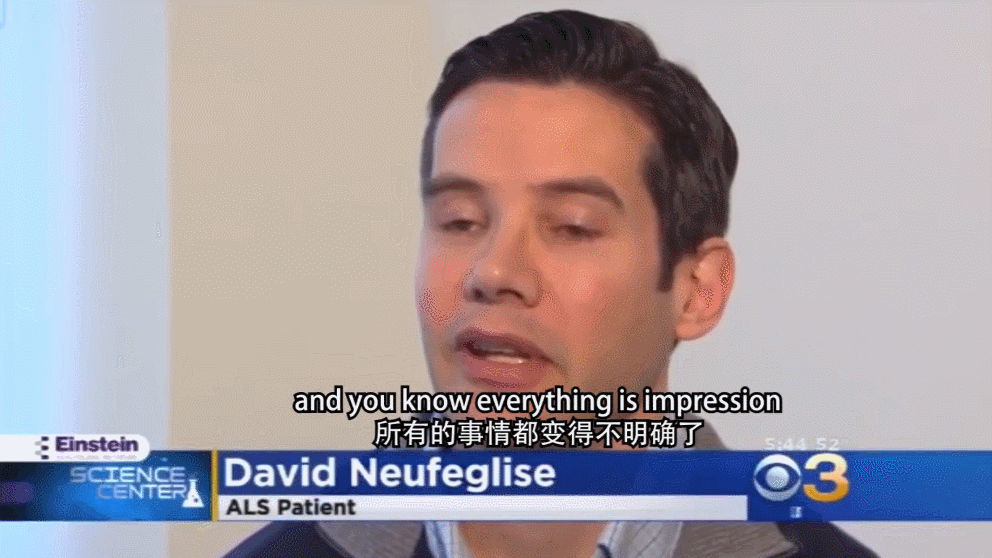
41-year-old David Newfield He’s a patient with ALS, but here’s the twist—he participated in a stem-cell clinical trial, and the results have brought both hope and encouragement to him and his family. The stem cells appear to have alleviated his symptoms, and they may even become a powerful new tool in the fight against ALS.
Is ALS a Terminal Illness?
David Newfield, 41, is an ordinary mechanical engineer who enjoys a happy family and a stable career. Yet, despite his strong and healthy physique, he could never have imagined that he would one day be diagnosed with a "terminal illness."
After rushing to several hospitals due to sudden physical discomfort, David still couldn’t pinpoint the cause of his illness. Months of testing finally revealed that his arm had begun experiencing persistent twitches—and it was then that he received his official diagnosis. "ALS" 。

This was simply unacceptable to David and his family—after all, there’s still no effective treatment for this disease, and being diagnosed with ALS essentially amounts to a death sentence.
Amyotrophic Lateral Sclerosis (ALS) is a progressive, incurable disease that gradually robs individuals of their physical abilities over time. As ALS advances, it leads to near-total paralysis, loss of speech, and eventually respiratory failure—leaving the body seemingly "frozen," unable to move or communicate. Ultimately, patients succumb to complications such as difficulty swallowing and the inability to breathe.
The renowned and brilliant physicist Stephen Hawking is a prime example of someone living with ALS.
As science continues to advance, the causes and mechanisms of ALS are also being explored. Overall, Amyotrophic lateral sclerosis is a motor neuron disease, It is a neurodegenerative disease that selectively targets motor neurons, and it may also result from neuronal damage caused by environmental factors, genetic defects, or other underlying causes.
Thinking about their hopes and dreams for the future—family, career—David, his wife, and their three daughters are determined not to give up on treatment just yet. As a result, a new opportunity has emerged before them, one that might just open the door to a completely different chapter in his life.
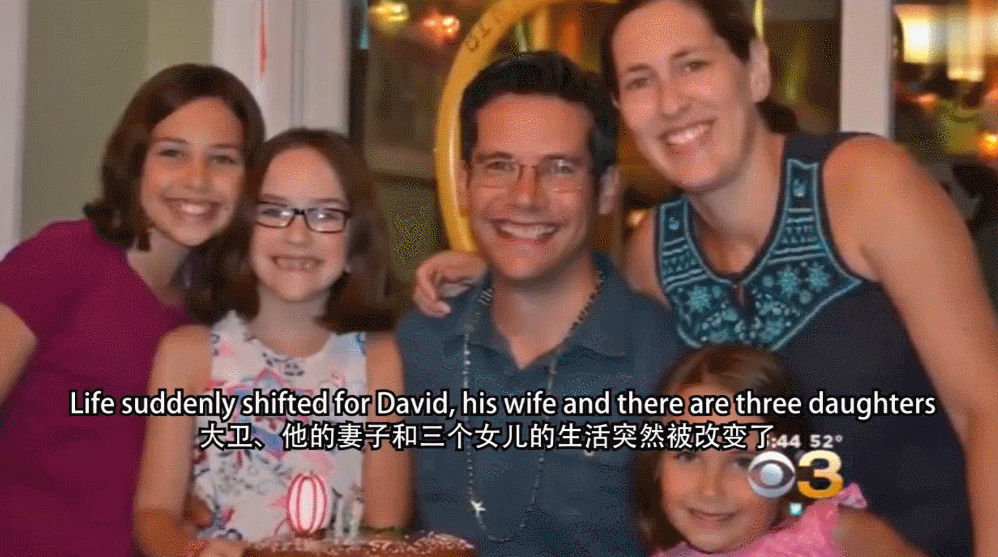
Stem cell therapy has given him a brand-new lease on life.
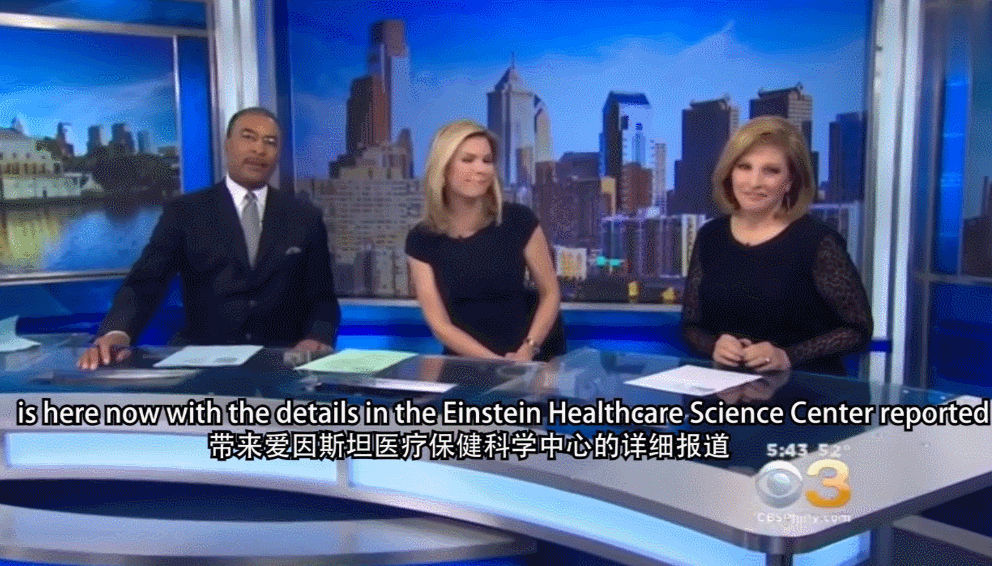
This is a detailed report from the Einstein Healthcare Science Center, highlighting exciting breakthroughs in stem cell therapy for patients with ALS.
Stem cells are a type of cell in the human body with multi-directional differentiation and tissue-regeneration capabilities. They offer several advantages, including easy accessibility, no ethical concerns, robust proliferative potential, wide availability, and the absence of immune rejection. Additionally, stem cells can release nutritional factors and secrete substances that help modulate the immune system and repair damaged tissues.
In recent years, stem cells have garnered immense hope in the life sciences community due to their remarkable regenerative, substitutive, reparative, and differentiation capabilities. Meanwhile, scientists are actively exploring clinical approaches to harness stem cells for the treatment of amyotrophic lateral sclerosis (ALS).
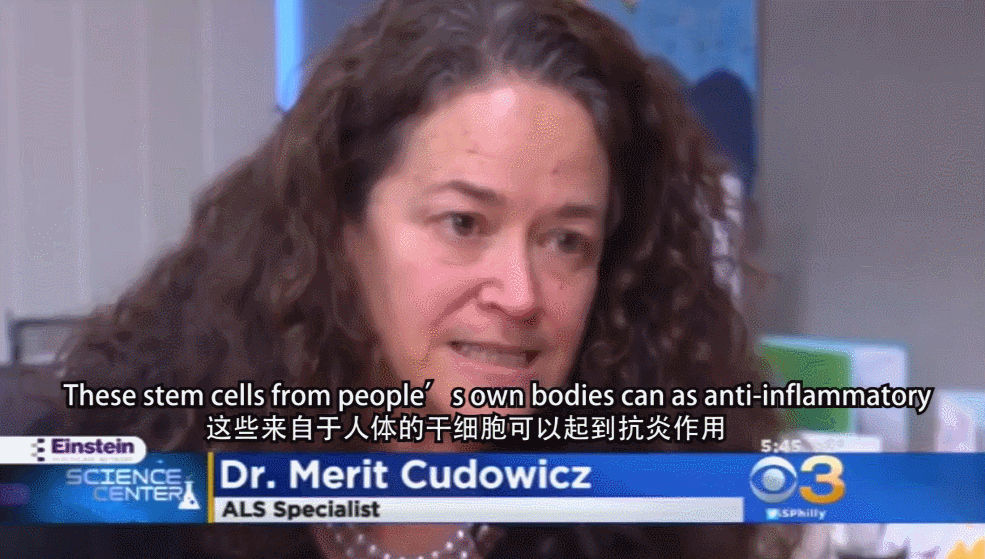
Stem cell therapy is also straightforward: it involves using the patient’s own stem cells, which are first grown in a lab to produce more cells before being reintroduced into the body. Once inside, these stem cells leverage their homing ability to precisely target damaged areas, helping repair the brain and spinal cord while simultaneously reducing inflammation in the brain—precisely the type of inflammation that worsens ALS.
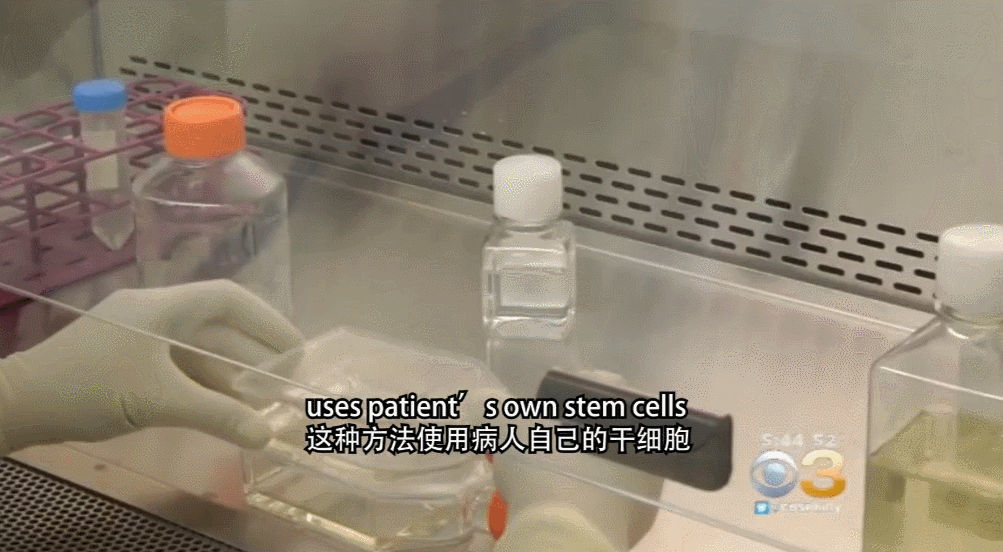
These human-derived stem cells can exert anti-inflammatory effects—much like anti-inflammatory drugs—thanks to their immune-modulating capabilities, allowing them to regulate the immune response within the body.
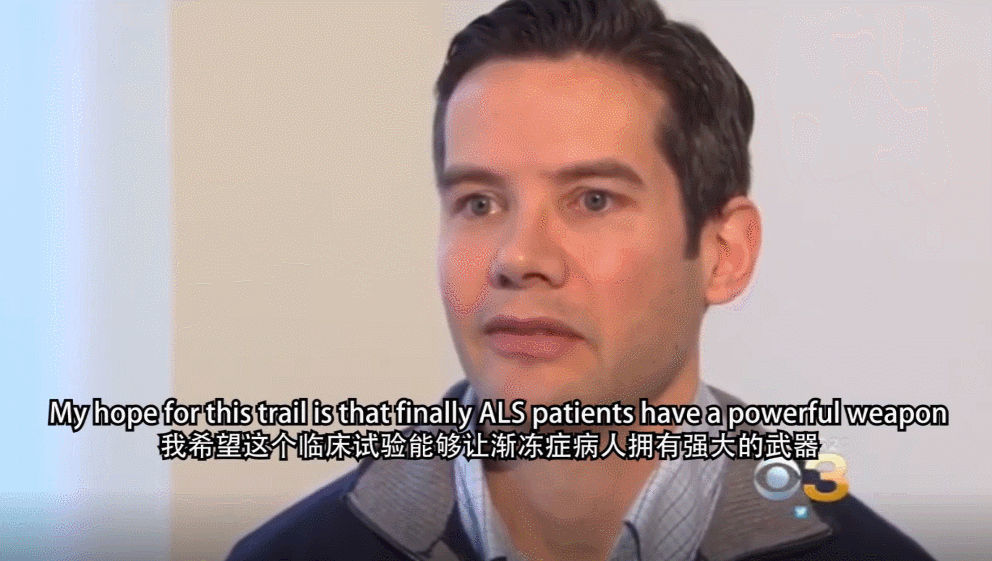
Amyotrophic lateral sclerosis (ALS) has already begun to affect David's sense of balance, making it increasingly difficult for him to perform even the simplest hand movements. Yet participating in this clinical trial has given David a renewed sense of hope—hope that stem cells might one day provide ALS patients with a powerful tool to fight back against the disease.
Now, David receives stem cell injections every 8 weeks, and many of his symptoms have significantly improved—this is the greatest source of encouragement stem cell therapy has brought to him and his family.
As Stephen Hawking, who also suffered from ALS, once said, the dawn of a new era in medicine is already within reach. In this brave new world, every disease afflicting the human body can be cured—thanks entirely to the extraordinary cells inside us, known as stem cells.
Stem cell therapy is already being applied in the treatment of various challenging and hard-to-cure diseases, and has achieved groundbreaking results in areas such as diabetes, chronic kidney disease, premature ovarian failure, and psoriasis. Looking ahead, it holds great promise to make significant strides in treating even more rare diseases, bringing hope to an increasing number of patients.
Related News

Here is the title—h1 placeholder text


Copyright © Jiuzhitang Maker (Beijing) Cell Technology Co., Ltd.
Powered by: 300.cn SEO | Privacy Policy