

News
News Center
CCTV Reports | Case Study: Stem Cell Therapy for Hereditary Cerebellar Atrophy
来源:CCTV-10
2021-08-11
Two young men suffering from familial hereditary cerebellar atrophy, after their conditions failed to improve with conventional hospital treatments, underwent stem cell transplantation. Following the procedure, they experienced significant improvements in their health and regained their vitality.
This is a real-life case featured on CCTV-10—titled "Clearing the Family Mystery"—showcasing how stem cells have helped two brothers who had lost their vitality due to brain atrophy regain their energy and vitality.
Wife and son suddenly fall ill with mysterious diseases one after another, plunging the once-peaceful family into a "curse"-ridden turmoil.
Hou Xiaohua lives in Zhumadian, Henan. He has two sons: Hou Dagang and Hou Ergang.
In the autumn of 2006, when it was time to harvest the corn at Old Hou’s farm, Old Hou noticed something was off with his son, Da Gang—he seemed weak and lacking energy, even struggling to carry objects weighing 60 or 70 pounds.
Old Hou can easily lift things weighing sixty or seventy jin, so it’s no surprise—but for a young farmhand, even this weight proves too much to handle. In fact, Da Gang nearly lost his balance several times, coming close to falling over altogether.
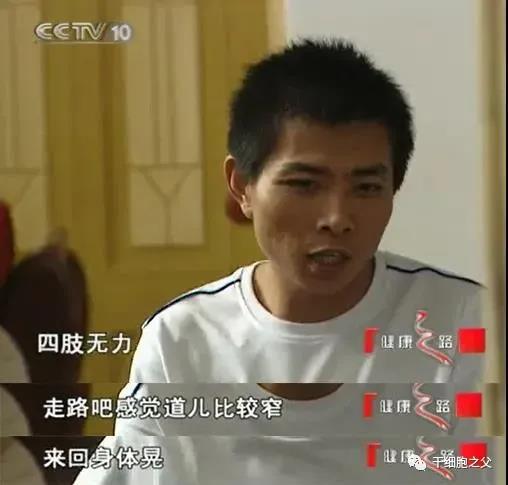
Da Gang's performance might seem insignificant to most people—after all, physical exhaustion can easily lead to a loss of energy—but Old Hou sees it differently. Years ago, his wife experienced something similar, leaving him constantly on edge. Now, witnessing this scene right before his eyes, his heart tightens with anxiety.
Hou Xiaohua’s spouse has been battling illness for many years. Today, she struggles to stand—her legs are so weak that she can’t take a single step without assistance. Even speaking has become slurred and unclear, leaving her completely dependent on family members for everyday care. Surprisingly, her late father-in-law, who passed away after a severe illness, suffered nearly identical symptoms to those of his daughter-in-law.
Recalling the early days when his wife fell ill years ago, Hou Xiaohua shuddered at how her symptoms mirrored Daguang's exact behavior today.
At the same time, Dagang not only experiences weakness in his limbs, difficulty drinking water with occasional choking and coughing, but also frequently trembles all over his body and tends to lean to one side while walking.
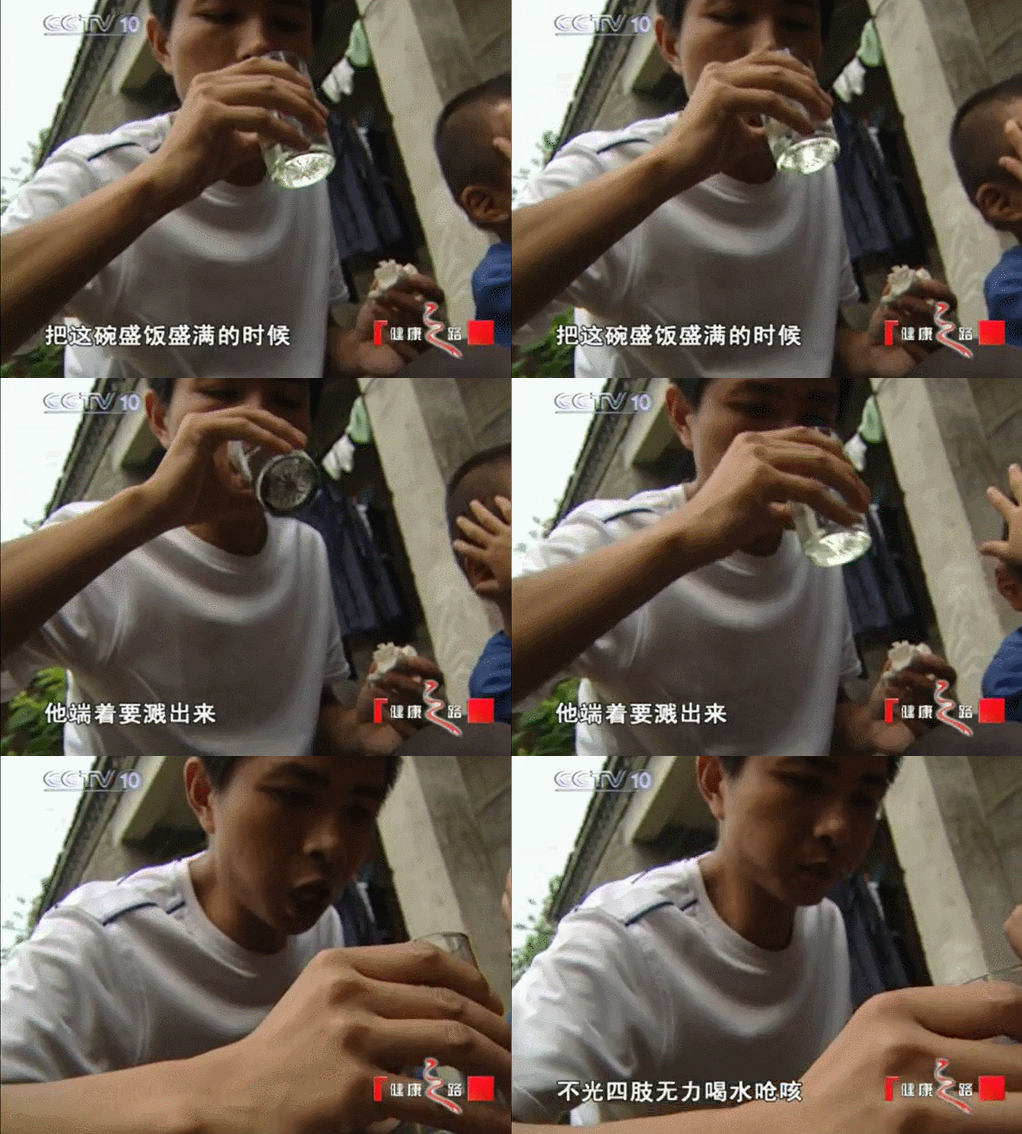
To Old Hou's even greater despair, what had already happened to his wife and Dagang was now repeating itself with Erigang: choking while drinking water, trembling hands and legs that began to shake uncontrollably, eventually leading to weakness in his arms and legs.
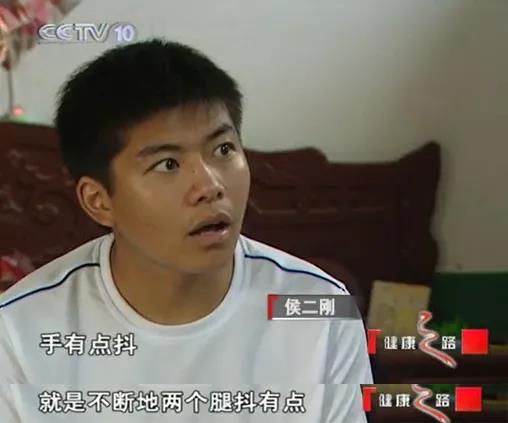
One by one, the loved ones around him began falling ill, as if a curse had descended upon the family. Despite repeated hospital treatments, there was no improvement—each new tragedy pushing Old Hou to the brink of collapse.
Watching his two sons grow sicker by the day, Old Hou resolved that he would definitely find out the cause.
Hospital tests reveal the cause—years of emotional baggage finally unraveled.
In early 2010, Old Hou arrived at the hospital’s neurosurgery ward with his two children and sought out a doctor. The doctor then arranged for them to undergo an MRI scan, which provided a detailed analysis of the brain’s structure. Both individuals have cerebellar atrophy. It's just that Er Gang is much lighter than his older brother.
The doctor believes that when four members of a family exhibit the same condition, the likelihood of a genetic link is very high. Genetic testing confirmed that these three individuals share identical genomic abnormalities—specifically, they all have the same gene mutation site. This shared genetic profile explains why their clinical symptoms are also identical. Based on this genetic evidence, the doctor concludes: They are genetic disorders and run in families.
Old Hou’s long-standing emotional knot finally began to unravel—after all, genetics were indeed the root cause of his family’s recurring nightmares. Yet as soon as he thought about all the previous failed attempts to seek medical help, his newfound sense of relief instantly gave way to a heavy cloud of doubt. After all, what specific treatment methods would doctors ultimately employ for this hereditary condition?
A severe illness was difficult to treat, but stem cell transplantation helped the two brothers regain their vitality.
According to Wu Jingwen, the hospital will now use stem cell transplantation to treat the two brothers for this condition. But why is this approach effective in curing such diseases?
It turns out that stem cells are the body's most primitive cells. When transplanted into the nervous system, they can differentiate into various types of human nerve cells, such as glial cells.
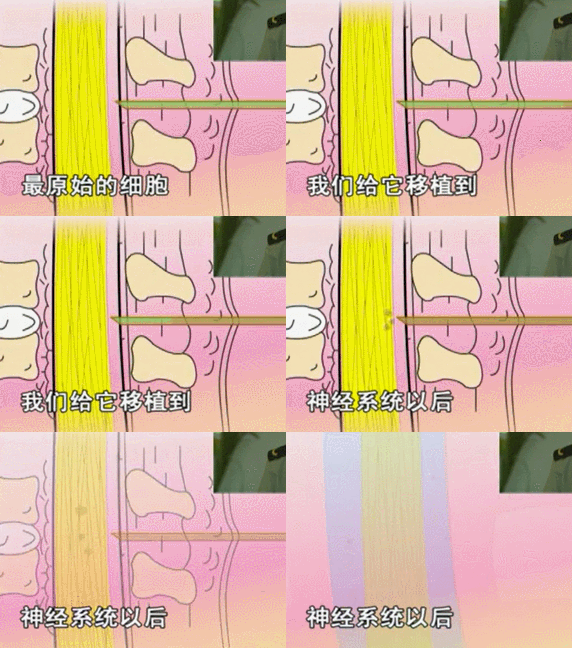
Neuroglial cells derived from stem cells can replace the glial cells lost in damaged areas (such as atrophy or degeneration), forming new connections with pre-existing neurons—and in doing so, help restore some of the functions that were previously lost due to neuronal deficits.
The atrophy of Da Gang and Er Gang's cerebellums can be used to restore function through this principle.
One week after arriving at the hospital, brothers Da Gang and Er Gang underwent stem cell transplant surgery. The doctors infused pre-cultured stem cells into two patients, hoping they would take effect. This type of treatment is administered in four sessions per course—and right after the second procedure, Old Hou witnessed something that pleasantly surprised him.
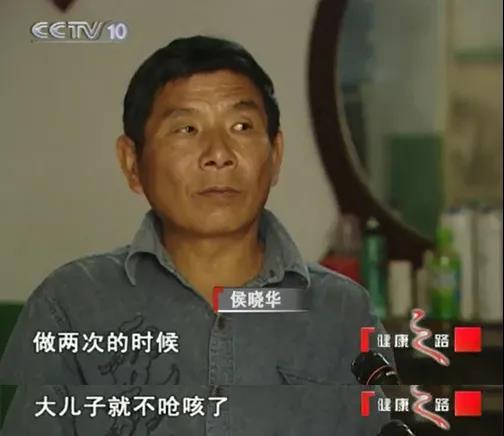
Old Hou discovered, Now, Dagang can finish a meal smoothly, whereas before treatment, his son would choke after just a few bites. As stem cell transplantation therapy progresses, he has witnessed even more remarkable changes.
After four rounds of treatment, the two brothers showed noticeable changes.
Da Gang walks unsteadily, but the noticeable trembling throughout his body has significantly subsided.
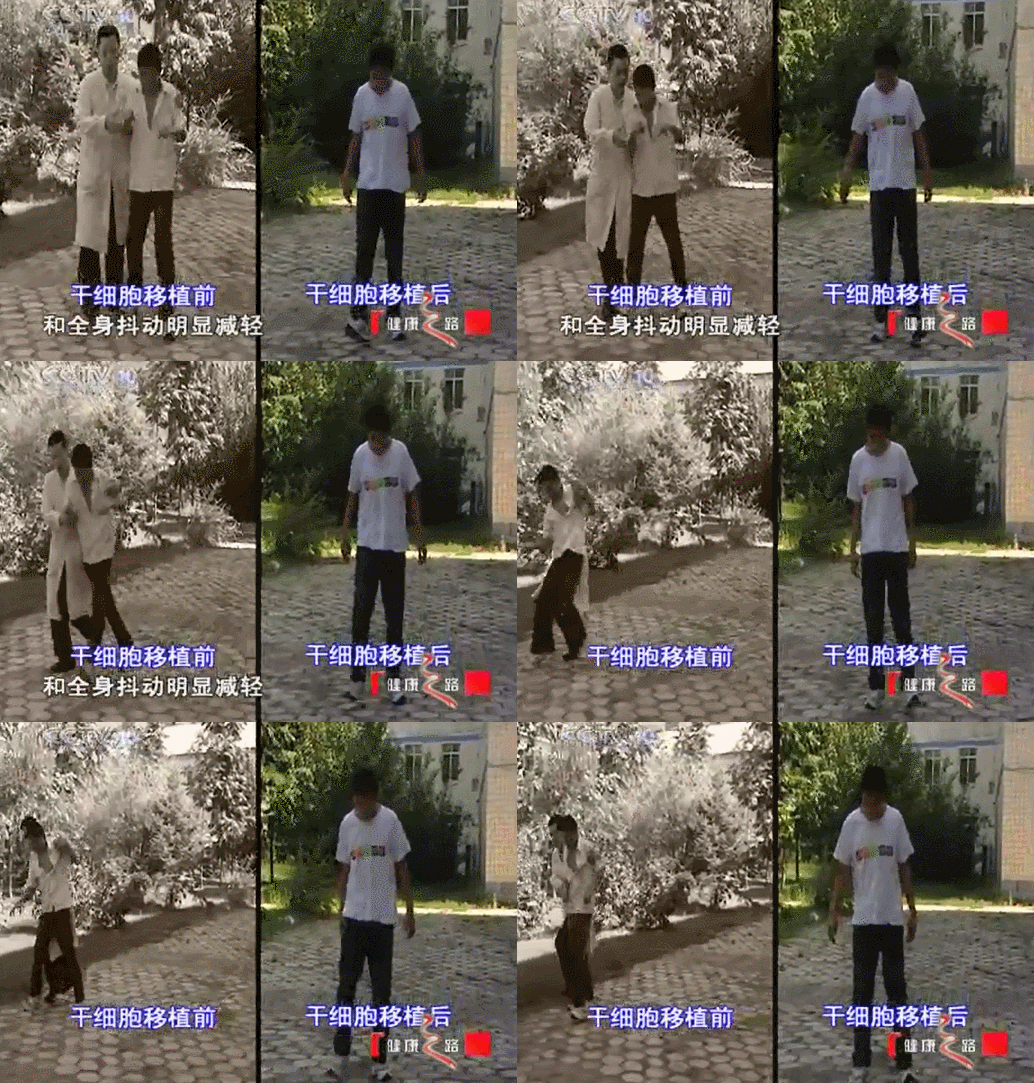
Er Gang can now walk in a straight line and stand on one leg—something that was completely impossible before treatment.
Most importantly, the two brothers regained their full strength, and their lost vitality returned.
In summary
The true story described above highlights the promising potential of stem cell technology in treating cerebellar atrophy, a condition for which current medical approaches still fall short of offering effective solutions. With the rise of regenerative medicine, stem cells have emerged as a groundbreaking avenue for addressing brain atrophy, thanks to their unique biological properties that hold immense therapeutic promise. We hope that in the future, more patients will benefit from stem cell therapies, enabling them to regain their health and quality of life.
Related News

Here is the title—h1 placeholder text


Copyright © Jiuzhitang Maker (Beijing) Cell Technology Co., Ltd.
Powered by: 300.cn SEO | Privacy Policy