

News
News Center
Cell therapy is "medicine's third major pillar"—but what are the similarities and differences between stem cells and immune cells?
来源:The Kingdom of White Blood Cells
2021-05-20
Cells are the fundamental building blocks of the human body, undergoing a life cycle marked by growth, differentiation, aging, and eventual decline. Diseases and the aging process in the body directly reflect changes in cellular quality. After all, the health and vitality of cells are what fuel the renewed energy of life itself.
Stem cells have played a significant role in treating severe COVID-19 patients. "Stem cells" and "immune cells" have also become two major hotspots in cell therapy. Today, we’ll take you through a closer look at the differences between stem cells and immune cells.
Stem cells and immune cells have different functions.
We know that cells are the smallest units that make up the human body. In our bodies, there are more than 200 different types of cells, all interacting and working together harmoniously—each fulfilling its unique role to create a true "cellular kingdom."
The existence of any nation depends both on builders who construct and maintain it, as well as on a defense force that protects it from external threats. The same holds true for the cellular kingdom within our own bodies.
In the kingdom of cells, stem cells are the builders and repairers, while immune cells act as the defense force in the army of national security.
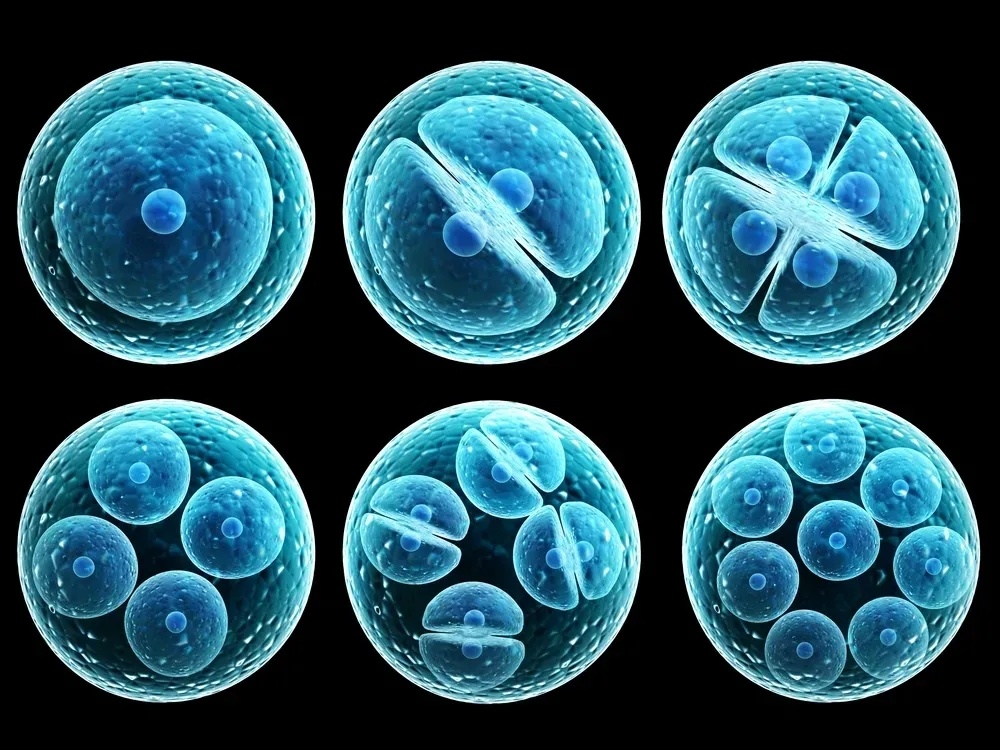
While our bodies are still growing, stem cells lay the foundation for the entire cellular kingdom—they rush to the front lines of construction, continuously dividing and differentiating into new cells, thereby expanding both the variety and quantity of our body’s cellular components—and ultimately shaping a healthy, thriving human body.
Stem cells are the builders.
When external threats like bacteria and viruses invade, immune cells act as the defense force of the cellular kingdom, swiftly responding to eliminate them.
If traitors emerge in the cellular kingdom—such as normal cells mutating into cancer cells—immune cells activate their security system to identify and eliminate them.
Immune cells are the defenders
We live in a world teeming with bacteria, viruses, and other toxic, harmful substances—organisms so tiny they’re virtually invisible—yet we remain healthy every day, thanks to the protective role played by our body’s own immune system.
The immune system is like the body’s personal security team, and its members—immune cells—play a dual role: on one hand, they eliminate bacteria, viruses, and foreign invaders; on the other hand, they clear out aging and mutated cells within the body, laying the foundation for overall health.
After all, the reason the human body falls ill is because immune cells have been defeated!
The reason for the defeat wasn’t just the enemy’s strength—it was, more significantly, the weakening of our own forces. Amid a series of self-destructive behaviors, our immune system gradually collapsed under the strain…
But when too many external enemies invade, or when there are too many internal rebels, the immune cells can’t eliminate them all—leading to illness in our body.
Unfortunately, as we age, both the number and vitality of stem cells and immune cells in our bodies gradually decline. Fortunately, regenerative medicine technologies based on stem cells and immune cells are here to safeguard our health—after all, immune cells are the body’s “best doctors,” and when they’re strong, so are you.
The two are classified differently.
Stem cells
Since stem cells and immune cells have different functions, their classification also differs accordingly.
If we compare the human body to a tree, the seed deeply buried in the earth would be the pluripotent stem cell—capable of differentiating into an entire human organism, just as a seed can grow and mature into a towering tree.
The main branches of a large tree can be likened to pluripotent stem cells, which include primarily sub-pluripotent stem cells and mesenchymal stem cells. These can differentiate into functional cells across multiple systems—such as nerve cells, cardiac muscle cells, liver cells, and osteoblasts—much like how each tree canopy gives rise to lush branches, leaves, and even fruits.
The terminal branches are specialized stem cells—such as hematopoietic stem cells—that can only differentiate into red blood cells, white blood cells, platelets, and other components of the blood system, much like how a terminal branch gives rise to leaves and fruits.
 Immune cells
Currently, the immune cells most commonly used in clinical applications include NK cells, CIKs, and the recently highly popular CAR-T cells.
NK cells, short for Natural Killer cells—also known as natural killer cells—are part of the innate immune system and can promptly eliminate aging or mutated cells within the body. They act like police officers, constantly maintaining "social order" by keeping our internal environment safe and stable.
CAR-T stands for Chimeric Antigen Receptor T-Cell Immunotherapy, referring to chimeric antigen receptor T-cell immunotherapy. It involves genetically modified immune T cells that target tumor proteins.
As tumor cells are hunted down by NK and CIK cells, some manage to "learn" how to camouflage themselves during the battle—disguising their identities so they no longer get recognized by these immune warriors. That’s where CAR-T comes in: it acts like a targeted weapon, specifically designed to eliminate even those cunningly disguised cancer cells. In essence, CAR-T is akin to a highly specialized SWAT team, dispatched with a clear mission—to relentlessly root out and annihilate the enemy once and for all.
Different extraction methods
Stem cells can be extracted from various human tissues.
Great scientists have discovered mesenchymal stem cells, which are now widely used in clinical research. These cells can be derived from various human tissues, including umbilical cords, placentas, adipose tissue, and dental pulp. Notably, scientists have found that mesenchymal stem cells extracted from the umbilical cord and placenta—tissues we typically discard—are the most abundant and highest-quality natural sources available.
Immune cells primarily originate from the bloodstream.
Includes adult peripheral blood and newborns' cord blood. Blood contains a high number of fully functional immune cells that continuously circulate throughout our body, tirelessly safeguarding our health.
Treating diseases differs.
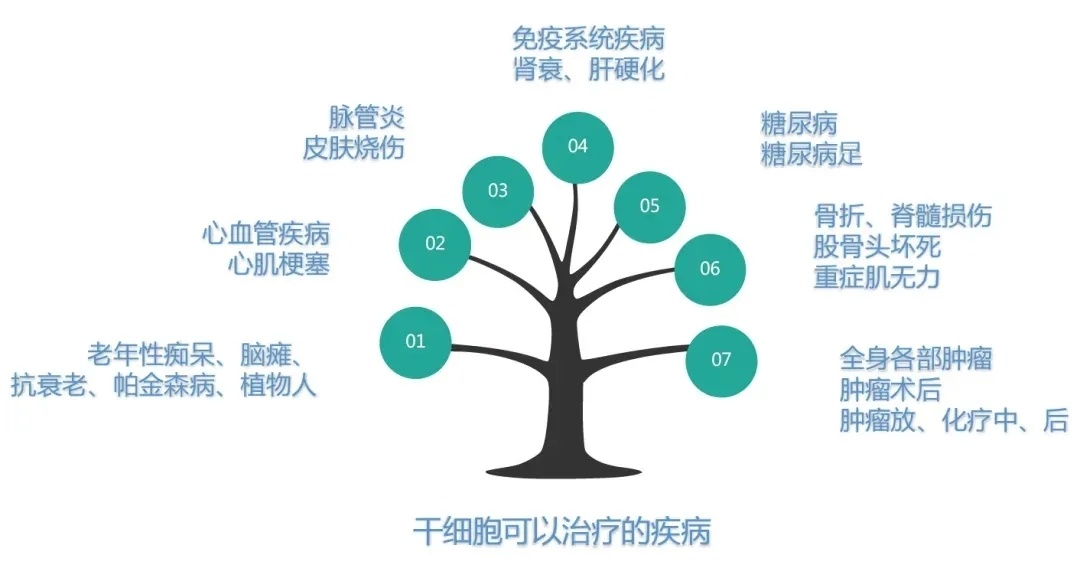
Stem cells are the builders and repairers of the cellular kingdom. When cells in our body are damaged and need to be replaced or repaired, that's when stem cells step in to deliver their therapeutic benefits.
Whether it's skin burns or scalds, or conditions like cirrhosis, diabetes and its complications, Parkinson's disease, and others—essentially, these are all cases where cells in tissues and organs have been damaged. In such instances, stem cell reinfusion can be used as a therapeutic approach.
Immune cells as defenders , primarily exerting therapeutic effects in two key areas:
Eliminating senescent cells prevents disease by stopping these aging cells from accumulating and harming the body. Primarily relying on NK cells, regular infusions of immune cells can effectively boost our immunity, helping to ward off illness.
Cancer treatment utilizes immune cells. Infusing these immune cells into the body can help eliminate uncontrolled cancer cells, such as CIK cells and CAR-T cells.
The 21st century is the era of cell therapy, and in the future, the application of stem cells and immune cells will become common clinical treatments. By appropriately replenishing high-quality cells, we can unlock limitless possibilities for enjoying the advancements of medicine ahead.
Related News

Here is the title—h1 placeholder text


Copyright © Jiuzhitang Maker (Beijing) Cell Technology Co., Ltd.
Powered by: 300.cn SEO | Privacy Policy