

News
News Center
Stem Cell Therapy: Making 10 Serious Diseases No Longer Scary!
来源:The "Father of Stem Cells"
2021-03-19
Stem cells are a vital biological resource for humans. In recent years, stem cell technology—a burgeoning medical innovation—has advanced rapidly, demonstrating remarkable efficacy in the intervention and treatment of various diseases.
Simply put, stem cells are like the seeds of life—versatile cells capable of self-renewal and regeneration. Under specific conditions, they can differentiate into various specialized cell types, giving them the remarkable ability to repair tissues and even regenerate entire organs. That’s why the medical community refers to them as "pluripotent cells."
Stem cells have extremely broad clinical applications. Currently, stem cell therapy is linked to the following 10 diseases.
Heart disease

Repairing damaged heart tissue
Objective: Using stem cells to repair heart tissue damaged during a heart attack.
Benefits: Stem cells possess the ability to differentiate into cardiac tissue, enabling them to guide and promote targeted homing of stem cells to the heart. Once integrated into damaged myocardium, these cells can stimulate the differentiation of cardiac progenitor cells, thereby enhancing the heart's intrinsic capacity for self-repair.
Cardiovascular growth
Objective: Angiogenesis – the growth of new blood vessels.
Benefits: Several types of stem cells, including dental pulp stem cells from various sources, have been shown to stimulate the growth of capillaries.
Eye disease

Corneal Diseases
Objective: Using stem cells to improve vision in patients with corneal diseases.
Benefits: A UK study concluded that transplanting limbal stem cells is a "safe and effective method capable of restoring the corneal surface and recovering patients' vision."
Macular Disease
Objective: Using stem cells to generate specialized cells that can help treat Stargardt macular dystrophy and dry age-related macular degeneration.
Benefits: This stem-cell therapy for macular diseases is still in its early stages; so far, treatment results have been reported for two patients, and neither experienced any adverse side effects.
Diabetes
Objective: Using stem cells to overcome type 2 diabetes.
Benefits: After the extracted stem cells are isolated, purified, and expanded in vitro, they are infused into diabetic patients. Under the guidance of the pancreatic tissue microenvironment—much like seeds germinating—the stem cells differentiate and proliferate into insulin-producing islet cells, replacing the damaged pancreatic β-cells. This process not only restores insulin secretion but also stimulates the regeneration and repair of impaired islet tissue cells, ultimately addressing diabetes at its root.
Numerous treatment cases demonstrate that stem cell therapy does not cause complications or side effects, while also boosting the body’s immune system—and in some instances, even enabling patients to stop relying on lifelong injections and medications.
Stroke
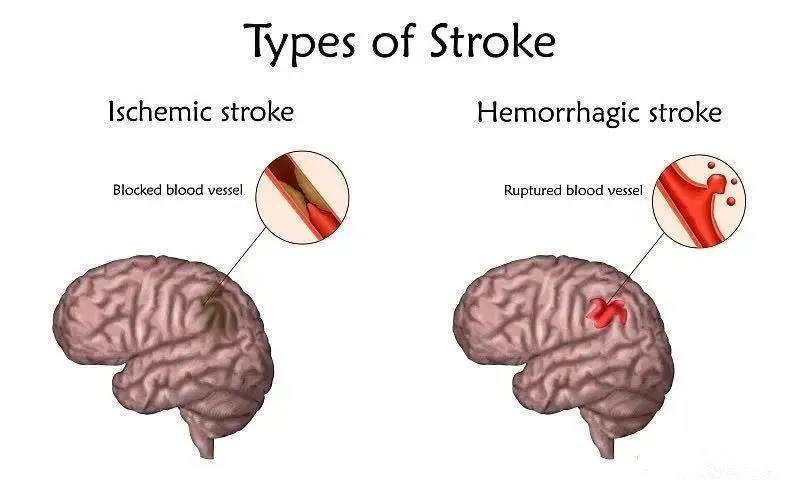
Objective: Using stem cells to counteract brain damage caused by stroke, repair tissue in the areas affected by cerebral infarction, and reverse disabilities resulting from stroke.
Benefits: Using stem cells can help rejuvenate brain function.
After being infused into the human body, stem cells can differentiate into new nerve cells, providing the brain with a fresh supply of cellular resources. This process effectively helps improve age-related brain decline, particularly leading to noticeable improvements and even partial recovery of memory and cognitive abilities in patients with age-related dementia.
Spinal cord injury

Objective: Treating chronic spinal cord injuries in patients with varying degrees of paralysis using stem cells.
Benefits: Under specific induction conditions, either in vivo or in vitro, stem cells can differentiate into various tissue cells, including bone, cartilage, muscle, tendon, ligament, and nerve. As seed cells, they hold significant potential for repairing damaged tissues and organs.
In 2009, scientists from the Faculty of Medicine at the University of São Paulo in Brazil published a study involving 39 patients with chronic spinal cord injuries. They administered stem cell infusions directly into the femoral arteries of the patients' legs. Subsequently, the researchers reported that the therapy was safe, and 26 patients (66%) showed improved responsiveness to stimulation.
Parkinson

Objective: Utilizing stem cells to intervene in the treatment and control of Parkinson's disease progression, thereby improving patients' quality of life.
Benefits: Stem cell transplantation is considered a highly effective treatment for Parkinson's disease. Stem cells possess the remarkable ability to self-renew and differentiate into any type of neural cell—such as neurons and glial cells—enabling them to restore malfunctioning neural pathways.
As clinical treatments continue to advance, a new dawn is emerging in Parkinson's therapy. Recently, Chinese scientists revealed in the journal *STEM CELLS* that stem cell transplantation can help stimulate neural stem cells in the subventricular zone (SVZ) to generate more neurons, thereby offering a promising approach to treating Parkinson's disease.
Amyotrophic Lateral Sclerosis

Objective: Testing the safety of stem cells by delivering them to the spinal cord.
Benefits: A clinical trial led by Eva Feldman at the University of Michigan and conducted at Emory University has shown that, so far, three patients have undergone stem cell therapy without experiencing any side effects.
Multiple Sclerosis

Objective: Using stem cell suppression followed by immune system resetting to treat multiple sclerosis.
Benefits: Clinical cases demonstrate that stem cell therapy delivers sustained benefits for patients with aggressive multiple sclerosis who have failed conventional treatments, often leading to lasting clinical improvements—particularly in those with relapsing-remitting forms of the disease.
Leukemia and Other Blood Disorders

Objective: Boost the body's immune system and enhance its ability to fight off illness.
Benefits: One of the original uses of stem cells has been to treat blood and immune disorders—after stem cell infusion, the hematopoietic and immune systems can be re-established, restoring normal immune function. Today, stem cell transplantation has become a standard treatment option for several of these conditions.
Cartilage Repair

Objective: Using stem cells to create new cartilage.
Benefits: Once damaged, bone joints are difficult to repair, often leading to irreversible joint degeneration and the development of osteoarthritis. However, stem cells offer a promising solution by enabling the repair of joint injuries and restoring function. Clinically, some studies have demonstrated the successful use of stem cells embedded in gels or collagen sheets, which are then placed directly onto areas of cartilage damage—such as the knee or ankle.
We can see that the therapeutic applications of stem cells are incredibly diverse—whether it’s for neurological disorders, diabetes, autoimmune diseases, or even cancers with extremely high mortality rates, stem cell therapy proves highly effective!
Related News

Here is the title—h1 placeholder text


Copyright © Jiuzhitang Maker (Beijing) Cell Technology Co., Ltd.
Powered by: 300.cn SEO | Privacy Policy