

News
News Center
Stem cells make headlines at the 2021 Two Sessions! A Shanghai delegate suggests classifying stem cells according to risk levels for management.
来源:Xinmin Evening News
2021-01-29
Chen Fangyuan, a member of the Standing Committee of the Shanghai Municipal Political Consultative Conference, suggests: Stem cells should be managed according to risk stratification; in particular, clinical research involving stem cells registered as medical technologies should be separated from clinical studies registered as pharmaceutical products.
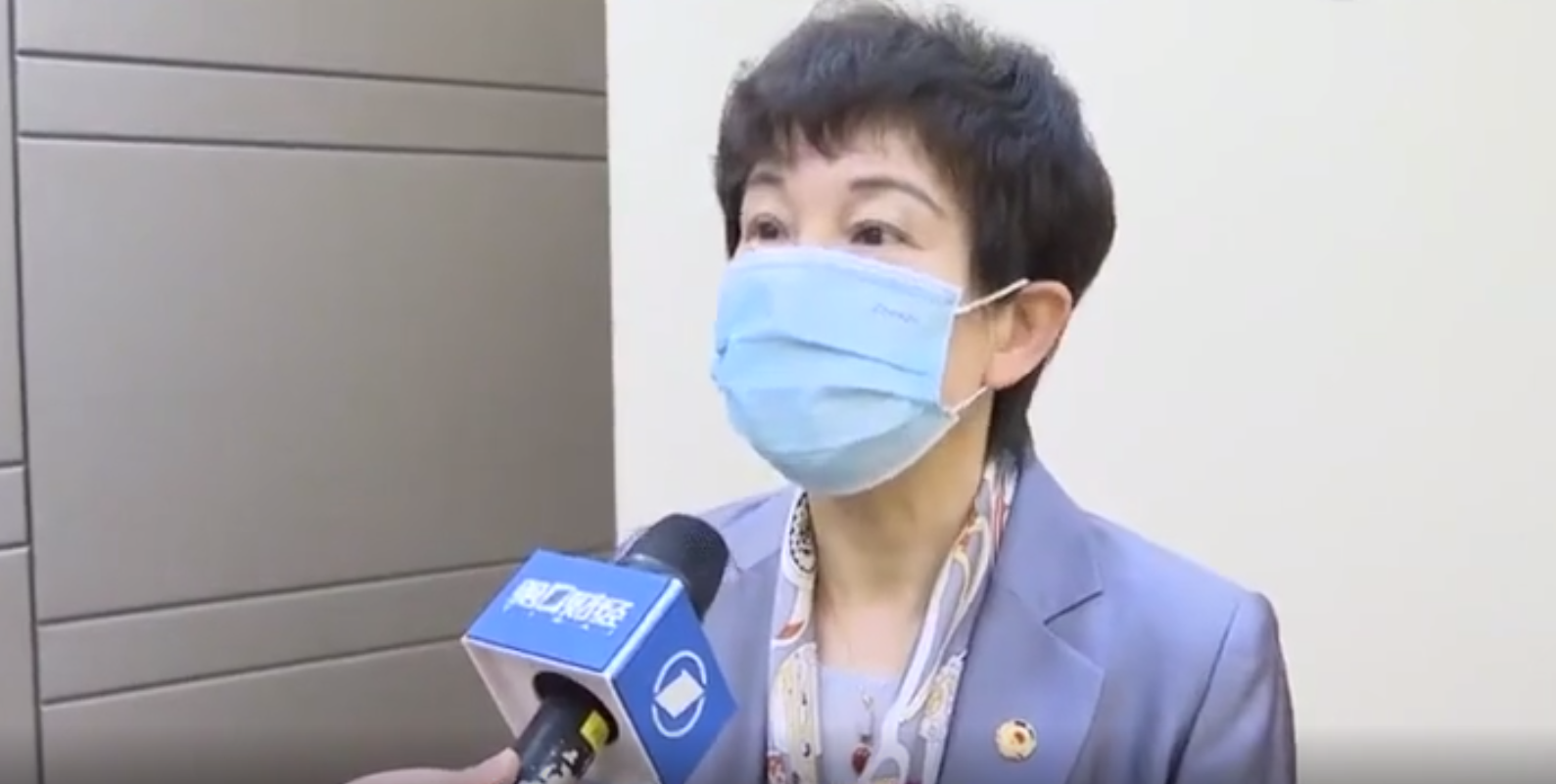
In recent years, regenerative medicine—centered around stem cells—has been rapidly advancing across the global life sciences landscape. Notably, it has already begun to demonstrate significant advantages in addressing major chronic diseases such as stroke and diabetes, as well as various rare conditions. In countries like the United States, South Korea, Japan, and the European Union, nearly 20 stem-cell-based therapies have already received regulatory approval and been launched onto the market under well-established oversight frameworks. Meanwhile, China is highly active in stem-cell research, with the number of ongoing projects second only to the U.S.; however, no stem-cell-based therapeutic products have yet been approved for commercialization in the country. As a result, Shanghai CPPCC members have suggested that the city should leverage its advantageous resources to take the lead in piloting initiatives, accelerating the clinical translation of stem cell research in Shanghai and fostering its industrialization.
News Recap
Recently, at the joint panel review session of the Pudong delegation during the 5th Session of the 15th Shanghai Municipal People's Congress, Shanghai municipal deputy Lu Xiaowei stated that Shanghai—particularly Pudong—boasts advantages in industrial development, medical resources, and regulatory infrastructure. She suggested exploring and developing a "Shanghai Approach" for institutional innovation in the cell science field.
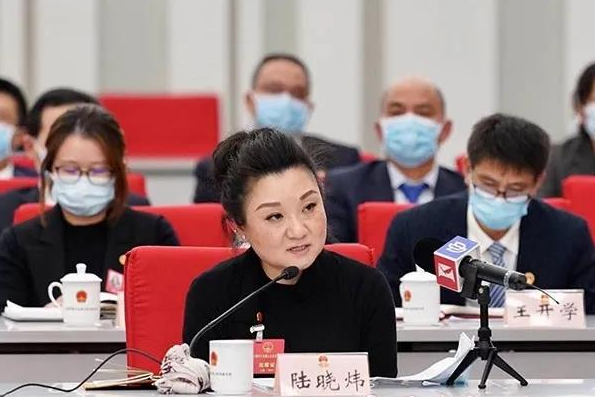
Caption: Lu Xiaowei, a delegate to the Municipal People's Congress
Exploring future development paths
Lu Xiaowei noted that in recent years, major developed countries around the world have prioritized and actively supported the development of cell therapy as a key area within the pharmaceutical industry. According to the latest report from the New York Cancer Research Institute, the global pipeline for immuno-oncology research in 2020 included 4,720 therapies under development—among which cell therapy has emerged as the hottest segment, maintaining a robust momentum with hundreds of new therapies added each year.
According to statistics, by the end of December 2020, a total of 48 clinical trial projects for cell-based therapies had been approved nationwide, and a series of guiding documents were issued to accelerate the development of the cell industry. However, during this growth phase, companies remain unclear about the future trajectory of the cell industry. Additionally, hospitals lack sufficient support for exploratory innovation during the preclinical research stage, while the clinical application of cell products and hospital risk management currently lack systematic, practical guidelines and standardized protocols.
Shanghai, exemplified by Pudong, has emerged as the nation’s most dynamic hub for cell industry clusters. In terms of industry, by the end of 2020, out of the 48 cell-based drug clinical trials approved nationwide, 21 were conducted in Shanghai—14 of which originated from the Zhangjiang Cell Industry Park, accounting for approximately 30% of the national total. As for medical resources, Shanghai boasts 13 nationally recognized stem-cell research centers, making it one of the country’s premier hubs for high-quality healthcare infrastructure.
How is Shanghai taking the lead in piloting initiatives within the cell industry?
As a new frontier in the global race for technological and industrial dominance, how can Shanghai take the lead in pioneering advancements in the cell industry? "Currently, cell therapy products are gradually entering the commercialization phase, with processes like collection and infusion requiring hospitals to adhere to relevant GMP (Good Manufacturing Practice) standards for pharmaceuticals, as well as robust clinical management protocols. However, at present, there is no uniformity in GMP practices or operational procedures—neither between hospitals and companies, nor among different hospitals, nor across varying cell-product manufacturing techniques." She suggests that the first priority should be establishing seamless, standardized management for cell-based therapies. Drawing on insights from the two CAR-T cell drugs soon to be launched in China, the Municipal Health Commission and the Municipal Drug Administration could collaborate to explore standardized clinical management frameworks for hospital-based cell therapies. This would involve setting clear guidelines on institutional qualifications, implementation protocols, operational procedures, and risk-control measures—ultimately paving the way for smoother market access of future cell therapies.
Secondly, it is essential to foster exploratory innovation in cell therapy technologies. The cell industry, particularly at the cutting-edge exploration stage, requires more fundamental and clinical research to validate and advance these technologies. She suggested that the Municipal Health Commission leverage the establishment of the Shanghai Testing Center's Key Laboratory for Cell Therapy, encouraging the National Stem Cell Expert Committee to recognize reports from the Shanghai Testing Center, thereby addressing the longstanding issue of delays in stem cell quality control testing and regulatory filing processes.
Addressing the current challenges of an unclear development path for the cell industry and the concerns regulators have regarding high-risk biotechnologies during the clinical translation process, Lu Xiaowei suggests that the Municipal Health Commission and the Municipal Drug Administration could select one to two medical institutions to pilot and explore clinical translation pathways for cell therapy technologies, along with the standards and regulations hospitals need to follow. This would help accumulate valuable experience and provide a template for future initiatives.
Previous:
Related News

Here is the title—h1 placeholder text


Copyright © Jiuzhitang Maker (Beijing) Cell Technology Co., Ltd.
Powered by: 300.cn SEO | Privacy Policy