

News
News Center
Why do we age? It’s due to the declining ability of cells to coordinate effectively.
来源:Science and Technology Daily
2020-12-28
A research team from Israel's Bar-Ilan University recently completed a study that confirms a new theory about human aging, first proposed by scientists 15 years ago. The theory suggests that, as time passes, what actually declines in the body is the ability of cells to coordinate effectively—rather than their individual functions. This groundbreaking finding holds promise for paving the way toward innovative approaches to treating age-related conditions.
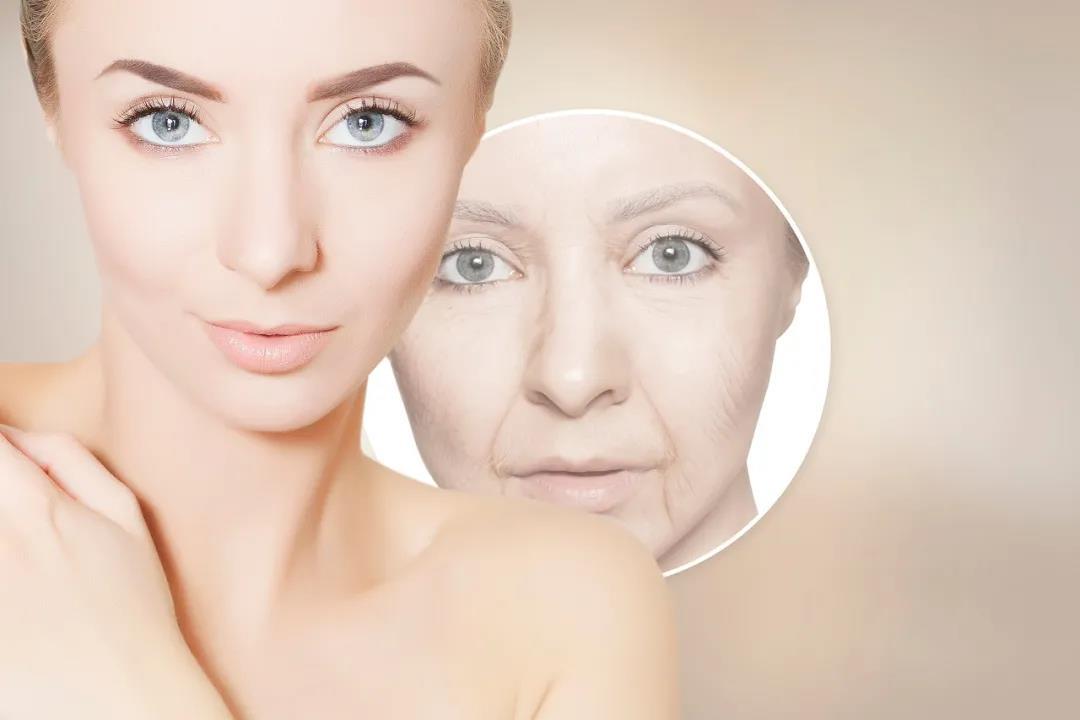
The most common theory about aging suggests that, over time, human cells undergo a process of "wear and tear." However, recent findings indicate that significant cellular damage doesn’t occur uniformly across the board—instead, it happens randomly in clusters of non-functional cells, while the rest of the cells remain unharmed.
The question researchers are grappling with is: If different types and groups of cells lose their function over time in various individuals, why do all people experience the same aging-related symptoms—such as graying hair, wrinkled skin, and declining overall functionality—as they grow older?
To address this, Professor Jean Vijg, Chair of the Department of Genetics at Albert Einstein College of Medicine, proposed his own explanation 15 years ago. He argued that while cellular function naturally declines with age, this isn’t due to a single, catastrophic failure of nonfunctional cells—but rather because many cells gradually lose their ability to regulate and coordinate their genes effectively.
In early November, a research team led by Dr. Amir Bashan from the Department of Physics at Bar-Ilan University published an article in *Nature Metabolism*, announcing that their study had successfully validated Vijg’s theory. This groundbreaking finding not only paves the way for deeper investigations into aging but also holds potential for refining approaches to treating age-related diseases.
The research team analyzed data collected from six different global laboratories, which examined how well cells coordinate with one another across various organisms—humans, mice, and fruit flies—as they age. They also focused specifically on analyzing distinct brain and pancreatic cells. The findings confirmed that, during aging, cells consistently lose their ability to maintain full coordination. Moreover, the researchers noted that as cellular and genetic coordination breaks down, they observed an increase in the level of cellular damage. Based on these insights, future studies aimed at developing potential therapies should prioritize targeting and eliminating those highly damaged cells.
Research team member Guy Amit said the discovery of evidence showing coordinated interactions between cells and their genes was surprising, but the even more significant finding was that this coordination sharply declines as people age.
Related News

Here is the title—h1 placeholder text


Copyright © Jiuzhitang Maker (Beijing) Cell Technology Co., Ltd.
Powered by: 300.cn SEO | Privacy Policy