

News
News Center
National Dental Health Day | Stem cells may become a new weapon in treating oral diseases
2020-09-21
September 20, 2020, marked the 32nd "National Dental Health Day." As the old saying goes, "A toothache isn’t a disease, but when it strikes, it can feel like life itself is at stake." In fact, oral diseases are among the most widespread health issues worldwide—nearly all adults globally, along with nearly 90% of school-aged children, are affected to some degree by these conditions. With improvements in living standards and education levels, people are increasingly recognizing the importance of oral health and are placing higher expectations on treatment outcomes. Fortunately, stem cell therapy is now paving the way for a groundbreaking new approach to treatment. Today, we’ll introduce you to an exciting new tool in treating periodontal disease and pulp disease (cavities)—stem cells!
Periodontal disease (periodontitis / alveolar bone loss)
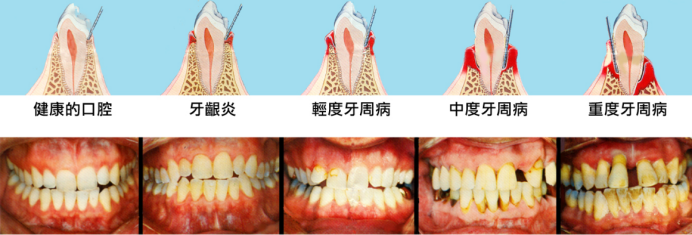
Epidemiological studies show that periodontal disease is the leading cause of tooth loss among adults in China. [1] , patients with periodontal disease experience not only disruptions to daily life due to loose, shifted, or missing teeth, but also suffer from disuse-related bone damage in the alveolar ridge, which in turn accelerates bone loss. [2] , entering a vicious cycle.
Currently, orthodontic treatment is one of the key components of comprehensive periodontal therapy. By repositioning loose, displaced teeth and altering the direction of forces acting on them, it helps eliminate occlusal trauma, thereby promoting the recovery of periodontal tissues. [3] However, orthodontic treatment for periodontal disease patients currently carries significant risks, as some patients have experienced a resurgence of periodontal inflammation. [4, 5] 。
Mesenchymal stem cells from bone marrow have recently become a hot topic in tissue engineering research, possessing multi-directional differentiation potential and exhibiting remarkable plasticity both in vivo and in vitro. They can travel through the bloodstream to reach tissues and organs, inhibiting the expression of pro-inflammatory cytokines and preventing the infiltration of inflammatory cells. [6, 7] 。
Clinical trial data:
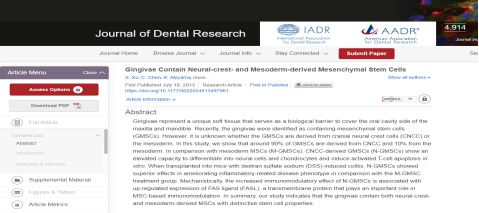
On August 6, 2013, the latest research findings from researchers at the University of Southern California revealed that stem cells discovered in oral tissues can not only differentiate into other types of cells but also help alleviate inflammatory diseases. The study was published in the international journal *Journal of Dental Research*.
In 2013, Du Juan and colleagues from Beijing Stomatological Hospital, Affiliated to Capital Medical University, conducted a study investigating the use of locally injected allogeneic bone marrow mesenchymal stem cells for the treatment of periodontitis. Results: Histopathological analysis revealed that the cell-injection group exhibited regeneration of alveolar bone, periodontal ligament, and cementum, whereas the untreated group showed typical signs of advanced periodontitis, including deep periodontal pockets and a lack of new bone formation. In contrast, the saline-injected group also displayed deep periodontal pockets but failed to demonstrate any evidence of new bone tissue growth. Conclusion: Localized intra-periodontal injection of allogeneic bone marrow mesenchymal stem cells effectively promotes the regeneration and repair of bone defects caused by periodontitis, while also significantly reducing local inflammatory responses. [8]
On August 14, 2020, the "Human Dental Pulp-Derived Mesenchymal Stem Cell Injection" received implicit approval for clinical trials from the Center for Drug Evaluation (CDE) under China's National Medical Products Administration. This marks China's first mesenchymal stem cell therapy approved for chronic periodontitis, as well as the country's first dental-derived mesenchymal stem cell-based drug. The clinical trial approval officially ushers "human dental pulp-derived mesenchymal stem cells" into the clinical exploration phase as a potential treatment for chronic periodontitis.
Pulp inflammation or pulp necrosis (cavities, tooth decay)
In childhood, almost everyone enjoys eating sweets—and sometimes they don’t bother brushing their teeth thoroughly. Over time, this can lead to cavities, often accompanied by frequent toothaches. To fix these cavities and prevent further pain, most people opt for dental fillings. However, after a filling is done, the tooth’s nerve is often damaged, causing the tooth to lose sensation entirely. In severe cases, this can even result in pulp necrosis, leaving you unable to feel anything when eating. In fact, for years, dental caries and pulp diseases have been among the most common oral health issues plaguing people worldwide, with incredibly high prevalence rates. These conditions are among the most widespread diseases affecting humanity—primarily because cavities frequently trigger pulp inflammation or pulp necrosis, ultimately leading to what we call "tooth death."
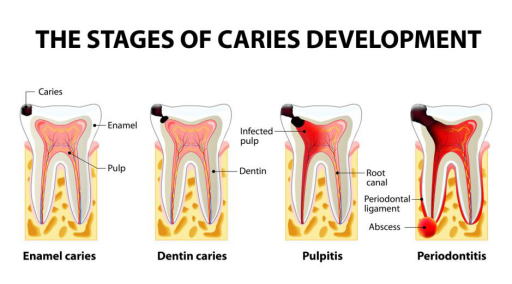
Once dental pulp tissue is damaged, it’s difficult for it to heal on its own. That’s why, in conventional "root canal treatment," the most common approach involves using inert filling materials to tightly seal the root canal, effectively replacing the damaged pulp and eliminating any dead space. However, after undergoing root canal therapy, the treated tooth loses its natural nutrient supply. While the tooth can still be preserved with this procedure, it gradually becomes more brittle, discolored, and eventually loses its sensitivity—especially making it prone to fracture when biting into hard objects. Although root canal treatment helps extend the tooth’s lifespan within the jawbone area, it remains more susceptible to loss compared to a healthy, natural tooth. [9] Therefore, dental pulp regeneration remains a global challenge, but there is promising potential in using stem cells to address it in the future.
Clinical trial data:
On August 22, 2018, scientists including Jin Yan, Shi Songtao, Xuan Kun, Li Bei, and Guo Hao published a research finding in *Science Translational Medicine*. They collected baby teeth and successfully isolated stem cells from them, which were then implanted into injured teeth. The study ultimately demonstrated the regeneration of tooth blood vessels and the restoration of nerve function. This innovative technique has already been applied clinically to nearly 50 patients, achieving a success rate of 95%.
This groundbreaking research focuses on extracting dental pulp stem cells from patients' shed baby teeth, culturing them in vitro for one month, and then assembling these cells into stem cell aggregates. These aggregates are subsequently implanted directly into the damaged pulp cavity of the patient, where they replace the necrotic dental pulp cells, restoring the functional integrity of the tooth’s pulp. This process also triggers the regeneration of the tooth’s nerves and blood vessels, ultimately enabling the tooth to fully regain its original function. As a result, this innovative technique allows young patients’ teeth to resume normal development—effectively overturning the conventional "root canal treatment" approach that has been standard practice in dentistry for over 200 years. With its profound milestone significance, this technology lays a robust foundation for advancing treatments of periodontal diseases and tooth loss, opening up new possibilities for dental care.
Stem cell therapy is currently a hot topic in the fields of tissue engineering and regenerative medicine, increasingly becoming the core focus of translational medical research. As both basic and clinical studies continue to advance, we believe that stem cells will one day hold the key to alleviating the pain caused by oral health issues, ultimately emerging as a shining beacon in the treatment of human oral diseases.
References:
1. Ramseier CA, Anerud A, Dulac M, et al. Natural history of periodontitis: disease progression and tooth loss over 40 years [J]. J Clin Periodontol, 2017, 44(12): 1182–1191.
2. Huang Hai, Zhang Yao, and Hu Zebing. Analysis of the Effectiveness of Physical Exercise in Promoting Bone Development and Preventing/Offering Treatment for Osteoporosis [J]. Chinese Journal of Osteoporosis, 2017, 23(10): 1391–1395.
3. Oz AZ, Ciger S. Health of periodontal tissues and resorption status following orthodontic treatment of impacted maxillary canines [J]. Niger J Clin Pract, 2018, 21(3): 301–305.
4. Ellore VP, Ramagoni NK, Taranatha M, et al. Pre-surgical orthopedic pre-maxillary alignment in bilateral cleft lip and palate patients [J]. Contemporary Clinical Dentistry, 2012, 3(3): 359–362.
5. Zhang Ping, Li Shuai, and Liu Zhidong. Changes in RANKL and OPG Levels in Gingival Crevicular Fluid Before and After Periodontal Basic Treatment in Patients with Periodontal Disease [J]. Modern Journal of Stomatology, 2015, 29(3): 149–152.
6. Lymeri A, Giannobile WV, Kaigler D, et al. Bone marrow stromal stem cells in tissue engineering and regenerative medicine [J]. Horm Metab Res, 2016, 48(11): 700–713.
7. He Xia, Cui Can, and Chen Min. Study on the Impact of Bone Marrow Mesenchymal Stem Cell Transplantation on the Immune-Inflammatory Response in Experimental Rats with Ischemic Stroke [J]. Chinese Journal of Immunology, 2018, 34(5): 647–652.
8. DuJ, Shan Z, Ma P, Wang S, Fan Z. Allogeneic Bone Marrow Mesenchymal Stem Cell Transplantation for Periodontal Regeneration. J Dent Res, 2014;93(2):183-188.
9. Caplan DJ, Cai J, Yin G, et al. Root canal–filled versus non-root canal–filled teeth: A retrospective comparison of survival times [J]. J Public Health Dent, 2005, 65(2): 90–96.
Related News

Here is the title—h1 placeholder text


Copyright © Jiuzhitang Maker (Beijing) Cell Technology Co., Ltd.
Powered by: 300.cn SEO | Privacy Policy