

News
News Center
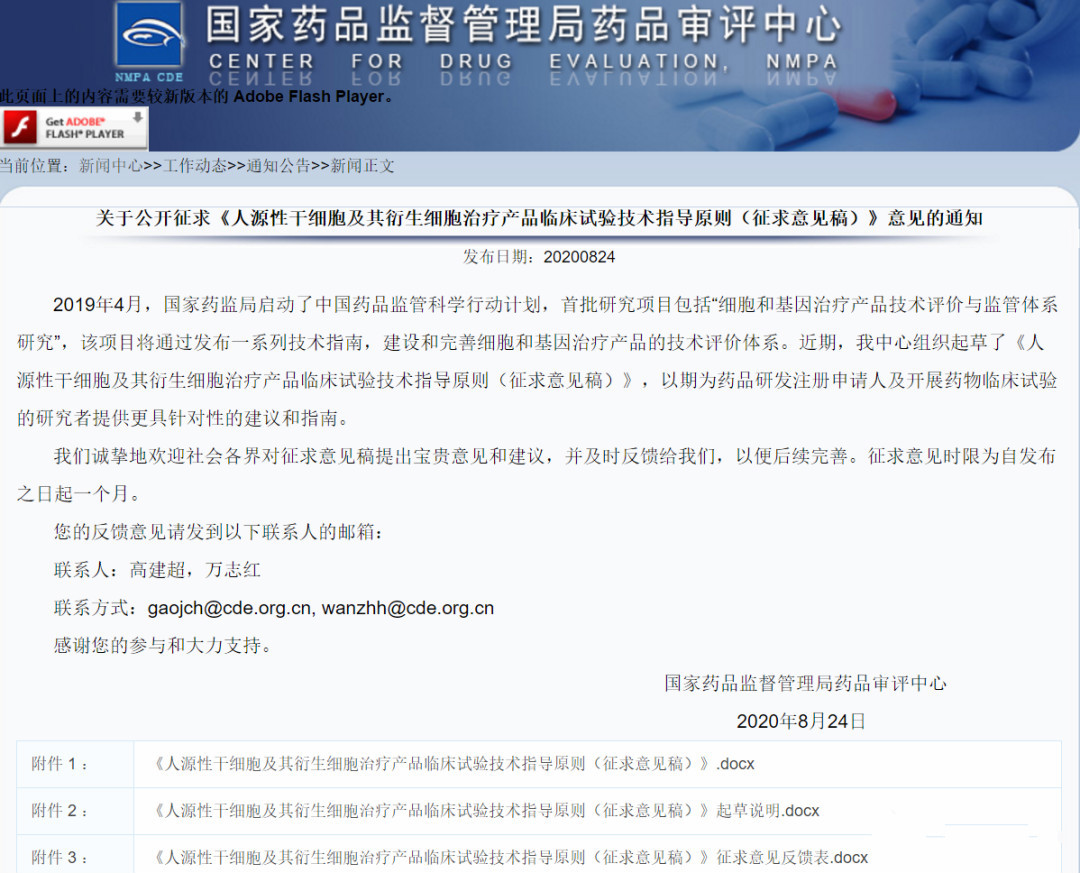
Big announcement: CDE releases the "Technical Guidance Principles for Clinical Trials of Human-Derived Stem Cells and Their Derivative Cell Therapies" (Draft for Comments)
2020-08-25
I. Overview
(1) Introduction
Stem cells are a class of cells characterized by their ability to self-renew and differentiate into multiple cell types, making them hold immense promise for applications in the field of regenerative medicine. Human-derived stem cells and their related cell therapy products (hereafter referred to as "stem cell-related products"), as critical tools in regenerative medicine, have the potential to address nearly every major tissue and organ in the human body, offering innovative solutions for repairing damaged tissues and tackling some of the most challenging medical issues facing humanity. These products show tremendous potential in areas such as cell replacement, tissue regeneration, and disease treatment. In this guideline, "human-derived stem cells" encompass human embryonic stem cells, adult stem cells, and induced pluripotent stem cells. Sources include human gametes, blastocysts (cultured in vitro for no more than 14 days after fertilization), as well as cells and tissues derived from sources like umbilical cord, placenta, adipose tissue, bone marrow, and more. Human-derived stem cell–derived cell therapy products refer to cell therapies obtained either through the directed differentiation of the aforementioned human stem cells or via the direct reprogramming of mature somatic cells into stem-like states.
When stem cell–related products enter clinical trials, they should adhere to general principles and requirements such as the "Good Clinical Practice Guidelines for Drug Clinical Trials" (2020 Revised Edition) (GCP). Stem cell–related products vary significantly in terms of cell source, cell type, manufacturing processes, and other key aspects. Moreover, their therapeutic mechanisms and in vivo activities are often more complex compared to traditional drugs. To achieve the desired therapeutic outcomes, these products may also require specific delivery methods or combination therapy strategies. Therefore, during clinical research involving stem cell–related products, it is essential to design rigorous, scientifically sound trial protocols tailored to the unique characteristics of these products—ensuring both the safety of participants and the generation of reliable clinical trial data.
(II) Purpose and Scope of Application
This guideline applies to stem cell-related products developed and submitted for registration in accordance with pharmaceutical management regulations such as the *Drug Administration Law* and the *Measures for Drug Registration*. It aims to provide essential technical guidance on the overall planning, study design, implementation, and data analysis of clinical trials involving these products. Additionally, it standardizes the approaches used by drug clinical trial sponsors (hereafter referred to as "sponsors") and clinical trial investigators to evaluate the safety and efficacy of stem cell-based products, while ensuring the highest level of protection for the safety and rights of participants involved in these clinical studies.
Some stem cell-related products possess characteristics of both cell therapy and gene therapy products. The purpose of these guidelines is not to determine the regulatory attributes or classification of such products, but rather to provide recommendations and suggestions—based on current scientific understanding—on several technical considerations when conducting clinical trials involving stem cell-related products. These guidelines are advisory in nature and will be continuously revised and refined as research advances and insights deepen. Applicants are encouraged to engage promptly with the Center for Drug Evaluation to discuss specific details related to the design and implementation of their trial protocols.
(III) Definition
Clinical trials for stem cell-related products refer to studies where autologous or allogeneic human-derived stem cells, after undergoing ex vivo processing to create a product formulation, are administered (or implanted) into the human body for the purpose of disease prevention and treatment. Ex vivo processes involved include the extraction, isolation, purification, culture, expansion, gene editing or modification, directed differentiation, cryopreservation and revival, as well as transportation of these stem cell-based products outside the body.
II. Clinical Trial Design
(1) General Considerations
1. Ethical Considerations
Ethical review is a globally recognized and essential tool for managing research risks today. Clinical trial projects involving stem cell–related products must undergo thorough ethical scrutiny. China’s *Good Clinical Practice for Drug Clinical Trials* (2020), the World Medical Association’s *Declaration of Helsinki* (2013 edition), and the International Council for Harmonisation of Technical Requirements for Pharmaceuticals for Human Use (CIOMS) *International Ethical Guidelines for Health-Related Research Involving Humans* (2016) all establish and define robust ethical and scientific standards for biomedical research on human subjects. Consequently, all clinical trials of stem cell–related products must adhere to four fundamental ethical principles: respect for autonomy, beneficence, non-maleficence, and justice. Moreover, the ethical review process for such trials must align with regulatory requirements outlined in China’s *Good Clinical Practice for Drug Clinical Trials*, as well as guidelines like ICH GCP (E6).
Clinical trials involving stem cell-related products must comply with the guidelines outlined in the "Guidance on Establishing Ethics Review Committees for Clinical Research Involving Human Subjects" (2019 edition, Appendix VI: Ethical Review of Clinical Stem Cell Research).
2. Study Population
The selection of participants for clinical trials depends on the expected benefits and potential risks. At different stages of clinical research, it is essential to leverage existing study evidence to carefully analyze the anticipated benefit-risk profile of each participant. In early-phase clinical trials involving stem cell-based products, the potential benefits and risks can be assessed based on the expected mechanism of action, preclinical study data, and prior human studies of similar or related stem cell products. In addition to evaluating potential benefits and risks, the assessability of trial data also plays a critical role in determining the appropriate study population.
(1) Healthy Volunteers
Stem cell-related products exhibit prolonged survival and functionality in the body, along with robust self-replication and multi-directional differentiation potential. However, their long-term safety risks remain unclear. Moreover, due to the unique characteristics of these products, the methodologies for studying their pharmacokinetics (PK) and pharmacodynamics (PD) in vivo are still less developed compared to those used for conventional drugs, potentially posing uncertain safety risks to healthy participants. As a result, clinical trials involving stem cells and their derived cell-based therapies are typically not conducted in healthy volunteers.
(2) Target Population
When selecting the most appropriate participants for a clinical trial, several factors must be carefully considered, including potential risks and benefits, as well as the interpretability of study data. Participants who have already experienced conventional treatment failure and lack effective therapeutic options may be better able to tolerate higher treatment risks—or their condition may more clearly justify taking on such risks. Additionally, individuals with severe or advanced diseases that significantly impair physiological function typically exhibit a reduced capacity to withstand further declines in physical capability compared to those with milder conditions. Therefore, when designing clinical trials for stem cell-based therapies and their derived cell products, it is essential to comprehensively evaluate multiple factors, such as the product’s unique mechanisms, anticipated risks and benefits, disease severity, and the progression of the patient’s condition.
The interpretability of study data is also a critical consideration when selecting the appropriate study population. For instance, standard treatments for the target indication—such as medications, surgery, or physical therapy—can influence the assessment of safety and efficacy for stem cell–based products. Choosing participants who have exhausted conventional therapies and currently lack effective treatment options may help minimize the impact of these standard treatments on evaluating the safety and effectiveness of the investigational drug. If it’s unavoidable that stem cell–related products will be used in combination with conventional therapies, it becomes essential to maintain a consistent, stable regimen for the standard treatment during the clinical trial—such as specifying the exact type of medication, dosage, and frequency of administration—to enhance the clarity and reliability of the trial results.
(3) Pediatric Subjects
For clinical trials involving pediatric participants, safety and tolerability data from adult subjects who have received the relevant stem cell-based therapeutic product must already be available before initiating the trial in children. If the sponsor plans to proceed with a study in children without prior adult safety data, they must provide a clear rationale explaining why adult studies were deemed unfeasible or why adult studies will not be conducted first.
3. Subject Protection and Risk Management
(1) Subject Screening
In addition to the general considerations for study populations, in certain clinical trials involving stem cell-related products, participants may already be undergoing treatment for their target indication or other medical conditions at the time of enrollment. If participants need to temporarily pause their existing therapy—or adjust the dosage or frequency of their current medications—during the trial, sponsors should carefully weigh the potential risks of disease progression that could result from interrupting or altering these treatments against the anticipated clinical benefits offered by the investigational product. A trial approach should only be considered if the expected clinical benefits clearly outweigh the risk of disease progression associated with pausing or modifying the existing therapy. At the same time, it is essential to develop a detailed contingency plan for resuming or adjusting treatment promptly, ensuring that participants’ conditions are not delayed or worsened.
(2) Researcher Training and Procedure Documentation
Stem cell-related products differ significantly from traditional small-molecule or large-molecule drugs in areas such as drug storage monitoring, cell recovery, and formulation protocols. Therefore, specialized training should be provided to researchers and staff at research centers involved in clinical trial operations. Additionally, relevant documentation outlining potential adverse events associated with stem cell products—and the corresponding prevention and management strategies—must be developed and made available for researchers' training purposes.
When the clinical experience and skills of researchers and operators may influence the safety and efficacy of product use, sponsors should clearly define the basic qualification requirements for researchers and operators involved in clinical trials and provide them with the necessary training. In certain cases—such as when multiple operators are working at the same research center—conducting unified training tailored specifically to the drug administration and treatment procedures can effectively minimize variations in dispensing and delivery practices, thereby reducing their impact on trial data and facilitating more accurate interpretation of study results. Additionally, detailed, written Standard Operating Procedures (SOPs) can help ensure both the safety and consistency of product administration. Careful documentation of the administration process and subsequent observations not only allows researchers and operators to demonstrate adherence to the protocol but also aids in analyzing how operational or therapeutic differences may correlate with clinical outcomes—and ultimately identifies opportunities for optimizing procedures or treatments.
(3) Research Termination Rule
Currently, no recurring, serious safety risks have been observed in the ongoing clinical trials of stem-cell-based therapeutic products in China. However, given the limited data and relatively short observation periods, continuous monitoring of product safety remains essential. Trial protocols for these types of products typically include "study-stop rules," which are designed to promptly manage the extent of exposure to potential risks and minimize the number of participants involved. These rules usually specify criteria—such as the severity or frequency of certain medical events (e.g., those related to the targeted indication or dosing regimen) or even fatalities—that would trigger a temporary halt in enrollment and drug administration until the situation can be thoroughly evaluated. Based on the results of this evaluation, the clinical study protocol may be revised to further mitigate safety risks for participants. Such revisions could involve updating inclusion/exclusion criteria—for instance, by excluding specific patient groups at higher risk of experiencing particular adverse events—or adjusting dosage levels, modifying product formulation or delivery methods, or enhancing participant safety-monitoring procedures. Once these adjustments have been implemented and thoroughly assessed, a decision may be made to resume the trial.
Therefore, a study's stopping rule does not necessarily terminate the trial. A well-designed stopping rule enables researchers to assess and address risks identified during the trial, ensuring that participant risks remain at an acceptable level.
(4) Risk Management
The clinical safety of stem cell-related products is influenced by multiple factors, including the source of cells, cell type, proliferative and differentiation potential, manufacturing processes, and functional activity. Additionally, the timing and severity of adverse reactions are closely tied to characteristics such as cell survival, proliferation, and distribution within the body. In clinical trial protocols, it is essential to develop comprehensive, actionable risk control strategies tailored to both product-specific features and insights from preliminary studies, addressing potential safety risks throughout the trial. These strategies should meticulously outline measures for preventing, identifying, diagnosing, managing, and monitoring outcomes—including follow-up assessments—to ensure patient safety and effective risk management.
4. Other Considerations
(1) Considerations for Personalized Treatment Products
For autologous stem cells and their derived cell therapy products, the manufacturing process is highly personalized, requiring individual production for each subject. This process can take several weeks to complete. If issues arise during product manufacturing, it may result in a subject being unable to participate in the clinical trial. Therefore, when production failures occur during clinical trials, conducting a thorough analysis of the underlying causes is crucial. Such analyses can help refine the criteria for selecting future trial participants, reduce the likelihood of manufacturing setbacks, or even enable the development of contingency treatment plans to address production failures—and ultimately lead to improvements in the design of subsequent clinical trials.
The study protocol should also clearly specify whether, in cases where production fails and subjects cannot receive the planned treatment, researchers will attempt re-production and treatment again—or whether new subjects will be recruited to replace those who did not receive therapy. Failure to deliver treatment as scheduled is part of the clinical trial’s feasibility assessment and may even serve as a critical stopping point (or endpoint) for the trial. Therefore, a plan should be in place to systematically track and report the proportion of subjects who fail to receive treatment, analyze the reasons behind these treatment interruptions, and evaluate the potential consequences of missed dosing on individual participants.
(2) Feasibility Assessment of Clinical Trials
Many stem cell-related product manufacturing steps and administration processes require specialized equipment and operational procedures. Additionally, the storage, transportation, and use of these products are more complex compared to traditional drugs. Therefore, it is recommended that, prior to the official initiation of the first-in-human trial, researchers thoroughly evaluate the feasibility of handling each stage—such as product transport, storage at research centers, and preparation—and develop a corresponding implementation plan. Any issues identified early in the clinical trial regarding product supply or logistical support should be promptly addressed and resolved.
(3) Integrity of Non-Clinical Studies
Complete non-clinical studies are essential for understanding the mechanisms of action, as well as key biological properties such as in vivo proliferation, differentiation, migration, acute and long-term toxicity, and tumorigenicity of stem cell-based products. These studies serve as a critical complement to clinical research in humans and play a vital role in defining appropriate dosing regimens for clinical trials, predicting how cells will distribute throughout the body, and assessing their safety profile. Before initiating clinical studies with stem cell-related products, sponsors must conduct thorough non-clinical research in accordance with relevant guidelines issued by regulatory agencies like drug review authorities and organizations such as ICH—and submit the results to the drug review agency when filing for product registration.
(II) Exploratory Clinical Trials
1. The Purpose of the Exploratory Experiment
Early exploratory trials, particularly first-in-human (FIH) studies, primarily aim to evaluate safety and tolerability. Safety assessments involve characterizing the nature and incidence of potential adverse reactions, as well as estimating their relationship to dose levels. In the case of stem cell–related product development, exploratory trial designs often also address unique clinical safety concerns that differ from those of conventional drugs—such as uncontrolled in vivo proliferation, tumorigenicity, and host-versus-graft responses. A common secondary objective of exploratory trials is to conduct an initial evaluation of the product’s biological activity, including improvements in clinical symptoms, cellular proliferation, survival, and biodistribution within the body, as well as pharmacodynamic and biomarker-based indicators of efficacy. These insights help inform the selection of appropriate dosing regimens and schedules for subsequent confirmatory clinical trials, while also providing a robust data foundation for refining study design, defining primary endpoints, and establishing statistical hypotheses.
2. Dose Selection and Incremental Exploration
(1) Clinical Starting Dose
Compared to traditional drugs, the non-clinical research approaches for stem cell-related products are influenced by several factors, such as the selection of animal models and species-specific differences in immune responses. As a result, predicting the safe starting dose for human use may not be as precise as it is for small-molecule drugs. However, if reliable animal studies or in vitro data are available, they can help assess the risk level associated with the initial cell dosage. Additionally, having access to previous clinical data from similar or related products—even if these studies involved different administration routes or addressed distinct indications—can also provide valuable insights for estimating the appropriate clinical starting dose.
(2) Dose Escalation and Cohort Size
When selecting dose increments for stem cell-related products in FIH trials, it is essential to consider how dose modifications—based on non-clinical studies and clinical data from similar products—affect the safety and efficacy of participants. Additionally, the number of subjects required at each dose level should take into account the acceptable risk levels or specific safety evaluation criteria relevant to the target patient population for different indications. For instance, when conducting clinical trials in patients with chronic or non-life-threatening conditions, a larger cohort size may be necessary to ensure a higher level of safety compared to trials involving patients with life-threatening illnesses. Furthermore, other study objectives—such as assessing tolerability or evaluating clinical pharmacological activity—may also influence the design of cohort sizes and dose escalation strategies.
(3) Route of Administration
In the FIH trial, a common approach is to administer the drug sequentially to each subject at set intervals between participants, preventing multiple subjects from being exposed simultaneously and thereby minimizing safety risks. For the first patient, enhanced monitoring for adverse events is essential, and delayed-onset adverse events should also be carefully considered. Before administering the drug to the next subject within the same dose group or to a subject in the subsequent dose group, a specific follow-up interval must be observed to assess both acute and subacute adverse reactions. The choice of this interval typically depends on the findings of acute or subacute toxicity observed in non-clinical studies, as well as the duration of cellular activity in vivo and/or the historical experience with similar products in human applications.
Stem cell-related products may persist long-term in the body of study participants, making it challenging to predict the risks associated with repeated dosing until preliminary insights into the product's toxicity and duration of activity are available. Therefore, it is recommended that stem cell-related products intended for first-time use in humans be administered as a single dose. However, if existing research evidence suggests low safety risks and multiple doses could enhance therapeutic efficacy, a multiple-dose approach may be considered in early-stage trials.
(4) Maximum Tolerated Dose
Exploring the maximum tolerated dose (MTD) is typically achieved through a dose-escalation design. The acceptable severity of toxicity or adverse reactions for stem cell–related products should be evaluated based on the disease’s severity and the anticipated benefit-risk balance. Sponsors are advised to clearly outline the approach for this exploration in the clinical trial protocol.
For stem cell-related products, dose-finding studies can also help identify the range of biological activity or the optimal effective dose. If stable biological activity or clinical benefits are observed even at lower dose levels, sponsors may not need to determine the Maximum Tolerated Dose (MTD). However, it’s important to recognize that early-stage studies often struggle to accurately estimate the product’s recommended effective dose. Sponsors should carefully assess how the failure to identify the MTD in initial studies might impact subsequent trials. In principle, the dose selected for confirmatory clinical trials should not exceed the dose range explored in the earlier, dose-finding studies.
3. Exploratory Trial Control Setup
Early exploratory clinical trials prioritize safety observation, making the importance of a control group less critical compared to confirmatory trials. However, if combination therapies could obscure the assessment of adverse reactions associated with the study drug—or if early exploratory studies aim to provide initial insights into the product’s activity or efficacy—sponsors may find it necessary to include a control group. Additionally, when clinical understanding of the disease progression remains incomplete, or when enrolled participants exhibit widely varying disease severities, establishing parallel control groups becomes even more crucial for accurately evaluating the safety and effectiveness of the investigational product.
If a control group is needed, the selection of the control substance should take into account multiple factors, such as the study objective, the stage and severity of the disease, and available treatment options. For instance, in a Phase I clinical trial, using a placebo control may help assess the safety of the investigational product and provide an initial evaluation of its efficacy.
4. Additional Considerations for Exploratory Trials
Applicants may consider designing early exploratory studies based on the overall clinical research plan, incorporating design elements that could support future product development. For instance, Phase I clinical trials could include efficacy or in vivo pharmacodynamic endpoints to gather preliminary evidence of effectiveness. Applicants might also opt to combine Phase I and Phase II into a single I/II-phase trial, allowing for dose escalation followed by identification of the recommended dose before moving into an expansion phase. In this expanded phase, additional patients would be enrolled at the previously identified recommended dose level to further evaluate the therapeutic efficacy of stem cell-based products. If this combined design is chosen, the trial protocol must clearly outline the criteria and methodology for transitioning from the dose-escalation phase to the expansion phase.
(III) Confirmatory Clinical Trials
Like other drugs, the purpose of confirmatory (or pivotal) studies for stem cell–related products is to validate the preliminary safety and efficacy signals observed in exploratory research, providing critical benefit-risk assessment evidence essential for drug registration. The target population, selection of primary and secondary endpoints, study duration, sample size estimation, and statistical design for confirmatory studies should all align with the general guidelines applicable to the specific therapeutic area.
1. Control and Blinding
A well-designed randomized controlled trial (RCT) is the preferred study design for definitive research, as it effectively eliminates baseline differences among participants and minimizes bias, enabling an objective evaluation of the therapeutic efficacy of the investigational product. For certain indications, however, suitable comparator drugs may be unavailable, or using a placebo as a control might raise ethical concerns. In such cases, comparing the intervention with the best available supportive care could be considered instead.
Confirmatory trials for stem cell-related products typically recommend maintaining blinding. However, in cases involving certain autologous stem cells and their derived cell therapy products—where researchers or medical staff are directly involved in cell collection and assist with the administration process—it becomes necessary to adopt alternative methods to minimize bias in the trial. For instance, an independent review committee (IRC), free from researcher influence, could be established to evaluate clinical endpoints and serve as the primary criterion for determining endpoint outcomes. Alternatively, sensitivity analyses could be conducted on the results assessed by the researchers themselves.
2. Efficacy and Safety
In confirmatory clinical trials, selecting appropriate clinical efficacy endpoints that align with the indication or target population is fundamental to clinical evaluation. Typically, the primary endpoints in clinical trials supporting the approval of stem cell–related products should directly reflect meaningful clinical benefits. Moreover, the criteria for evaluating these efficacy measures must be consistent with relevant diagnostic and treatment guidelines or clinical consensus specific to the indication. Biological activity indicators, such as changes in cytokines or biomarkers, as well as reductions or discontinuation of concomitant medications or adjunct therapies, are generally not used as the main efficacy endpoints in confirmatory trials. Any unvalidated or surrogate endpoints, however, must first undergo rigorous validation in exploratory studies to establish their correlation with clinically relevant patient outcomes before being incorporated into confirmatory trials.
Stem cell-related products can survive in the body for an extended period, delivering long-lasting therapeutic effects. However, with allogeneic stem cell–based products, repeated administration may trigger an immune response in the body, potentially reducing the efficacy of subsequent doses or increasing safety risks. Therefore, clinical endpoints in confirmatory trials should also focus on the duration of therapeutic benefits. It is recommended that sponsors, based on the disease characteristics and clinical benefit evaluation criteria specific to the target population, design sufficiently long observation periods to assess the subjects' sustained long-term advantages.
During the confirmatory clinical study phase, safety risks should continue to be monitored, and critical as well as potential risk information—including the incidence, severity, and risk factors associated with late-onset adverse events (such as tumorigenicity)—must be thoroughly analyzed. It is also essential to implement measures aimed at minimizing these risks. Furthermore, the safety analysis set should be sufficiently large to enable a comprehensive evaluation of the safety profile of stem cell–based products, ensuring their safe use even after market launch.
If significant pharmaceutical changes occur during the clinical trial, these changes should be implemented before the start of the confirmatory trial, and their impact on the product’s efficacy and safety must be evaluated from a clinical perspective.
III. Post-Clinical Trial Research
(1) Long-term Follow-up of Clinical Trial Participants
Due to the uncertainty surrounding the long-term survival and sustained effects of stem cell-related products, sponsors should conduct appropriate long-term follow-up for all participants receiving treatment during the clinical trial. It is recommended that sponsors continue monitoring participants for delayed safety risks, such as disease prognosis, long-term efficacy, changes in immune function, and tumor formation, even after completing the scheduled visits outlined in the clinical trial protocol. Additionally, they should assess the product’s persistence in the body and its immunogenicity. The duration of follow-up will primarily depend on the risk level of the stem cell-related product, as well as current understanding of the disease progression. Follow-up should extend beyond the expected timeframe for any late-onset adverse events, ensuring that potential risks associated with the product’s characteristics and mode of exposure are thoroughly observed for as long as possible.
The risk level of stem cell-related products depends on several factors, such as the cell source, proliferative or differentiation potential, in vivo survival and duration of action, whether exogenous gene expression is present, and whether the cells possess transdifferentiation capabilities. For instance, mesenchymal stem cell products have limited proliferative or differentiation potential and relatively low immunogenicity. Therefore, it is recommended to conduct follow-up monitoring for at least two years after treatment with mesenchymal stem cells or cell therapy products that exhibit characteristics typical of mesenchymal stem cells, in order to assess delayed safety risks such as tumorigenicity. Other types of stem cell-related products, meanwhile, should be evaluated and managed appropriately based on their specific cellular properties or risk profiles.
Depending on the clinical trial’s study design and duration, long-term follow-up may be conducted as part of the clinical trial itself or planned as a separate study. If a dedicated research protocol is in place for long-term monitoring, participants must provide informed consent not only for the clinical trial but also for the specific long-term follow-up study before enrolling. On the other hand, if long-term follow-up is integrated into the clinical trial, its duration might extend beyond the primary endpoint or the observation period required for benefit-risk assessments. In such cases, it is typically not necessary to complete the long-term follow-up before initiating subsequent trials or submitting marketing applications.
Children as study participants may be more susceptible to long-term drug effects due to their younger age, and extended follow-up after administering stem cell-based products may be necessary to monitor impacts on growth and development. Therefore, prolonged clinical follow-up data can be crucial for assessing safety and developmental effects, particularly when conducting trials in infants and young children. Compared to adults, monitoring long-term safety and the duration of therapeutic effects in pediatric populations can be more challenging; hence, sponsors should carefully consider these factors when designing comprehensive long-term follow-up plans.
(II) Post-Market Studies or Monitoring
Stem cell-related products differ significantly from traditional small-molecule or biologic drugs in terms of their therapeutic approaches and in vivo activity profiles. Currently, there is still limited experience with large-scale research and clinical applications of these products in humans. Given the typically short duration and limited number of participants in clinical trials, post-marketing collection of real-world data becomes crucial for further evaluating the product’s long-term efficacy—as well as identifying rare adverse reactions that may not have been detected during earlier studies. Therefore, after obtaining marketing authorization, sponsors may need to conduct post-market observational studies or implement focused monitoring programs to gather comprehensive real-world data on both effectiveness and safety. This information can then be shared with regulatory authorities through mechanisms such as Periodic Safety Update Reports (PSURs) or drug re-registration processes.
IV. Key Evaluation Points for Using Clinical Research Results of Stem Cell Registration Submissions in Drug Review and Approval
The "Administrative Measures for Clinical Research on Stem Cells (Trial)" (hereinafter referred to as the "Measures") and the "Guiding Principles for Quality Control of Stem Cell Preparations and Preclinical Research (Trial)," jointly issued in July 2015 by the former National Health and Family Planning Commission and the former State Food and Drug Administration, set forth clear technical requirements for stem cell clinical research that has undergone registration. After conducting stem cell clinical studies in accordance with these Measures, researchers can submit the obtained clinical study results as part of their technical documentation when applying for clinical trials related to drug registration—and these results may even be used directly in the evaluation process for drug approval.
If the sponsor has already conducted a registered clinical study involving stem cells as required by the management measures before submitting the drug clinical trial application to the drug regulatory authority, and intends to use the results for drug registration submission, it should provide pharmaceutical, non-clinical, and clinical study information related to the stem cell products used in the registered clinical study, in accordance with the "Registration Classification and Data Requirements for Biological Products." Specifically, the clinical study report must be prepared and submitted following the guidelines outlined in "ICH E3: Structure and Content of Clinical Study Reports."
The primary purpose and evaluation criteria used by the drug review authority to conduct technical assessments of registered clinical study results are identical to those applied in traditional drug clinical trials—specifically, to determine whether stem cell-related products meet the anticipated safety, efficacy, or key characteristics such as in vivo proliferation, survival, and metabolic properties as outlined in the clinical research objectives. If the sponsor intends to use the registered clinical study data to support drug registration, they should develop a comprehensive follow-up R&D plan or subsequent clinical trial protocol based on the obtained results. This plan must clearly define critical elements such as study goals, target populations, and research methodologies.
(1) Essential Requirements for Stem Cell Clinical Research Registered for Drug Review and Approval
1. Process and Quality Consistency
A stable manufacturing process ensures the consistent quality of cell therapy products, which is crucial for maintaining uniformity in clinical trial results. When submitting clinical study data for stem cell-based products during drug registration applications, sponsors must ensure that the pharmaceutical studies of these stem cell-related products meet the relevant technical requirements for drug registration. Additionally, they should provide detailed production process parameters and manufacturing/inspection records for the stem cell products used in the registered studies, demonstrating that the products employed in the clinical research are pharmaceutically consistent or comparable to those submitted for drug registration. If a sponsor modifies key aspects of the stem cell product—such as raw materials, production processes, preparation methods, or quality standards—during the clinical study phase, they must clearly explain the reasons for these changes. Furthermore, they should conduct comprehensive quality comparability studies on the modified product and thoroughly assess how these changes may impact the product’s safety or efficacy. The results of these studies must be submitted to the drug review authority when applying for a new drug clinical trial approval.
2. Compliance and Data Integrity in Clinical Research
When sponsors intend to use the clinical research results of stem cell studies filed for record to support drug registration applications, the planning and preparation, implementation process, improvements, and monitoring records of the registered clinical study—as well as the researcher’s confirmation process and documentation verifying the authenticity, integrity, accuracy, and traceability of the clinical study report—must all be maintained in accordance with the requirements outlined in the "Guiding Principles for the Preservation of Essential Documents in Clinical Trials of Pharmaceuticals." These records should be readily available for audits by the drug registration applicant or inspections conducted by pharmaceutical regulatory authorities.
If, during the clinical study process, there are violations of China’s *Good Clinical Practice for Drug Clinical Trials*, resulting in harm to the interests of participants, or if essential clinical study documents and data are not properly preserved according to guidelines such as the *Guiding Principles for Preservation of Essential Documents in Drug Clinical Trials*, leading to an inability to trace the study results back to their origins, or if the clinical study report submitted by the sponsor lacks critical information—such as details on participant screening and enrollment, baseline characteristics, dosing methods, safety and efficacy assessments, follow-up outcomes, or concomitant medications—it becomes difficult to evaluate the reported study findings. In such cases, the stem cell clinical study results cannot be used as supporting evidence for regulatory submissions related to stem cell product registration.
(II) Evaluation Conclusion on Clinical Research of Stem Cells Registered for Drug Review and Approval
The primary objectives, outcome measures, and study methodologies vary depending on the clinical research stage of stem cell–related products. In exploratory clinical trials, the main goal is to evaluate the safety, tolerability, and optimal dosing regimen for these products, laying the groundwork for designing confirmatory clinical trials—including aspects like dosing strategies and predefined endpoints. Meanwhile, confirmatory clinical trials aim to rigorously establish both the efficacy and safety of stem cell–related products, providing a robust benefit-risk assessment to support regulatory approval—and also to clarify the relationship between dose and therapeutic effect.
When the registered clinical study data are used for drug registration submissions, sponsors are required to develop a product development plan and an associated clinical trial protocol based on the results of the registered clinical study. The drug review authority will then analyze the scientific rigor of the registered study, the extent of its progress, and the accumulated safety or efficacy data. Based on this evaluation, the authority will determine whether the sponsor’s proposed clinical development plan or clinical trial protocol is scientifically sound and well-justified. Sponsors are encouraged to engage in open communication with the Center for Drug Evaluation regarding the registered clinical study findings, as well as their proposed clinical development plans or trial protocols.
Based on the results of the registered clinical study, the evaluation conclusions from the drug review authority may include:
1. Clinical study data submitted for registration suggest a higher safety risk, potentially leading to the inability to obtain approval for conducting registered clinical trials.
If serious adverse events occur during the registered clinical study that compromise the health and safety of participants, and if the risk control measures implemented by the sponsor are insufficient to ensure timely identification and management of the associated safety risks, thereby failing to protect participant safety; or if non-clinical safety studies indicate significant safety concerns, and existing human study data cannot rule out these risks, the sponsor may need to temporarily halt the clinical trial. The trial can resume only after the root cause of the safety risks has been thoroughly investigated, the relevant studies have been refined to address these concerns, and all potential safety risks have been effectively eliminated.
2. Registered clinical studies can provide preliminary safety information, but may require expanded exploratory clinical trials to initially assess efficacy—and further monitoring to ensure ongoing safety.
If the registered clinical study has conducted a preliminary exploration of the safety and tolerability of stem cell-related products, the study results can provide insights into the safe dose range and/or dosing intervals, as well as information on in vivo activity and/or pharmacokinetics, and the dose-response relationship. In this scenario, the sponsor may select specific doses and dosing frequencies within the ranges explored in the registered study, further assess safety in a larger cohort of participants, and begin to evaluate the therapeutic potential of the stem cell product. This will help inform the design of subsequent clinical trials—such as defining the target population, primary endpoints, and other critical elements—while laying the groundwork for advancing the development of these innovative therapies.
3. Preliminary results from the registered clinical study suggest that stem cell-based products demonstrate efficacy in the targeted indications, with expected benefits significantly outweighing risks. As a result, confirmatory trials may be necessary to further validate the clinical value of these stem cell-related products.
If the registered clinical study has generated sufficiently robust research data on the safety, in vivo activity, and/or pharmacokinetic properties of stem cell–based products, as well as their dose-response relationships, and if preliminary findings suggest that stem cells are effective in treating the targeted indication at specific doses and/or dosing frequencies—while also indicating that the expected benefits may significantly outweigh the risks—in such cases, the sponsor may need to conduct a confirmatory trial. This trial should employ a rigorous study design and statistical hypotheses, along with appropriately selected primary endpoints, to demonstrate the clinical superiority of the stem cell–based product over existing treatment options and to provide critical evidence for a comprehensive benefit-risk assessment.
4. The registered clinical study results are sufficient to meet the benefit-risk assessment requirements for stem cell-related products in the target indication, and repeated or continued clinical trials may not be necessary.
If the sponsor has conducted ongoing follow-up and long-term observations through exploratory and confirmatory registered clinical studies, thoroughly evaluating the safety, tolerability, mechanism of action, in vivo activity, and dose-response relationships of stem cell–related products, as well as their biological characteristics such as proliferation, survival, distribution, and/or differentiation within the body. Additionally, if the sponsor has rigorously investigated the efficacy of these products using scientifically sound methodologies, with complete records of clinical safety and effectiveness, scientifically valid evaluation criteria, and results that clearly demonstrate the benefits and risks of the stem cell product in the target patient population—such findings could serve as critical, supportive evidence during the drug registration review process. This approach would eliminate the need for redundant or continued drug clinical trials, thereby preventing delays in patients' access to effective treatments or exposing more patients to therapies that may be ineffective.
Encourage applicants to communicate with the drug review department before submitting their applications, discussing the scientific rigor of registered clinical studies, the reliability of study results, as well as the clinical development plan and clinical trial protocols—aiming to enhance the efficiency of research and regulatory submissions for stem cell–related products.
References
1. Ethical Guidelines for Human Embryonic Stem Cell Research, 2003, Ministry of Science and Technology and Ministry of Health
2. Guidance on Human Cell-Based Medicinal Products, 2008, European Medicines Agency
3. Guidelines for Safety and Efficacy Follow-up – Risk Management of Cutting-Edge Therapeutic Drugs, 2008, European Medicines Agency
4. Operational Guidelines and Practices for Clinical Trial Data Monitoring Committees, 2013, by Chen Yao et al.
5. Administrative Measures for Clinical Research on Stem Cells (Trial), 2015, National Health and Family Planning Commission, National Medical Products Administration
6. Considerations in Early Clinical Trial Design for Cell and Gene Therapy Products, 2015, Center for Biologics Evaluation and Research, U.S. Food and Drug Administration
7. Guiding Principles for Planning and Reporting on Clinical Trial Data Management and Statistical Analysis of Drugs, 2016, National Medical Products Administration
8. Technical Guidance Principles for Research and Evaluation of Cell Therapy Products (Trial), 2017, National Medical Products Administration
9. General Requirements for Stem Cells, 2017, Stem Cell Biology Branch, Chinese Society for Cell Biology
10. Guidelines for the Establishment of Clinical Research Ethics Review Committees Involving Human Subjects, 2019, Office of the National Health Commission Medical Ethics Expert Committee & Chinese Hospital Association
11. Good Clinical Practice for Drug Clinical Trials, 2020, National Medical Products Administration and National Health Commission
12. Classification of Biological Products for Registration and Requirements for Submission of Data, 2020, National Medical Products Administration
13. Guiding Principles for the Preservation of Essential Documents in Clinical Drug Trials, 2020, National Medical Products Administration
Reference original article link:
http://www.cde.org.cn/news.do?method=viewInfoCommon&id=6cf5b4fbef3256d9&from=timeline
Related News

Here is the title—h1 placeholder text


Copyright © Jiuzhitang Maker (Beijing) Cell Technology Co., Ltd.
Powered by: 300.cn SEO | Privacy Policy