

News
News Center
How are stem cells overcoming the novel coronavirus?
2020-02-25
Accidentally, the 2019 novel coronavirus became the biggest internet sensation during the 2020 Spring Festival.
Recently, the rapid development of pneumonia caused by the novel coronavirus infection in Wuhan, Hubei Province, and nationwide has shocked the entire country. The World Health Organization declared it an international public health emergency on January 31, 2020.
Currently, the prevention and control of the novel coronavirus pneumonia epidemic has entered a critical period, with advanced technologies such as precision medicine and stem cell research joining the battle against the epidemic. Knowing the enemy and oneself is the key to ultimate victory.
Next, we will provide a detailed overview of the specific epidemic information and prevention and control progress, as well as the pathological and pharmacological mechanisms by which stem cell therapy plays a role.
What exactly is a coronavirus?
Coronaviruses are a type of virus widely present in nature, named for their crown-like appearance under an electron microscope. So far, coronaviruses have been found to infect only vertebrates and can cause respiratory, digestive, and nervous system diseases in humans and animals.
What is the relationship between the 2019 novel coronavirus and coronaviruses?
The 2019 novel coronavirus (2019-nCoV) is the seventh known coronavirus that can infect humans. The other six are HCoV-229E, HCoV-OC43, HCoV-NL63, HCoV-HKU1, SARS-CoV, and MERS-CoV.


Figure 1: Electron microscope image and structural diagram of the coronavirus.
The 2019 novel coronavirus (2019-nCoV) was discovered due to cases of viral pneumonia in Wuhan in 2019 and was named by the World Health Organization on January 12, 2020. On February 12, 2020, the International Committee on Taxonomy of Viruses (ICTV) announced that the official classification name of the novel coronavirus (2019-nCoV) is severe acute respiratory syndrome coronavirus 2 (SARS-CoV-2). On the same day, the World Health Organization (WHO) announced that the official name of the disease caused by this virus is COVID-19.
The 2019 novel coronavirus (2019-nCoV) belongs to the beta genus of coronaviruses. It is enveloped, with particles that are round or oval, often pleomorphic, and 60-140 nm in diameter. The virus is sensitive to ultraviolet light and heat; it can be effectively inactivated by 56°C for 30 minutes, ether, 75% ethanol, chlorine-containing disinfectants, peracetic acid, and chloroform. Chlorhexidine cannot effectively inactivate the virus.
Critically ill patients experience cytokine storms.
On January 24, The Lancet published two research papers on the novel coronavirus online, mentioning that among the first confirmed severe 2019-nCoV infections, many patients experienced a "cytokine storm."
Previous cases of SARS, Middle East respiratory syndrome, and Ebola virus infections have proven that cytokine storms are the real killers, triggering the immune system to launch a fierce attack on the body.
A cytokine storm refers to the rapid and massive production of various cytokines such as TNF-α, IL-1, IL-6, IL-12, IFN-γ, MCP-1, and IL-8 in body fluids after microbial infection. It is a major cause of acute respiratory distress syndrome and multiple organ failure.
How does the novel coronavirus trigger a cytokine storm?
The novel coronavirus is infecting humans for the first time, so the human immune system has no recognition ability against this virus. Once the virus invades normal cells, the immune system cannot distinguish friend from foe. When the virus rapidly replicates and the immune system can no longer tolerate it, choosing to vigorously clear the virus, a cytokine storm may erupt. The virus's toxicity depends on how destructive the immune response it induces is. [1] 。
Research shows that the novel coronavirus enters cells through angiotensin-converting enzyme 2 (ACE2), so lung tissue with high ACE2 expression and easy viral entry becomes the main target of the novel coronavirus.
After the virus enters the lungs, the immune system sends a large number of immune cells to the lung tissue to fight the virus, resulting in pneumonia. Patients exhibit fever, cough, and difficulty breathing. However, these immune cells are not powerful enough to accurately eliminate the virus and can only indiscriminately bombard, recruiting more immune cells to fight, leading to an accumulation of immune cells and cytokines.
Once a cytokine storm forms, the immune system may not kill the virus but will definitely kill a large number of normal lung cells, severely damaging lung ventilation function. This appears as large white areas on lung CT scans, known as "white lung." Patients may suffer respiratory failure and die from hypoxia.
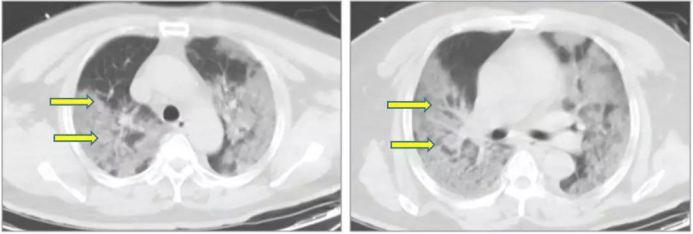
Figure 2: Electron microscope image of coronavirus and lung CT of a novel coronavirus pneumonia patient, with large white areas indicating damaged lung tissue [4].
Besides the lungs, ACE2 is also highly expressed in vascular endothelial cells, heart, kidneys, liver, digestive tract, and other organs. All tissues and organs expressing ACE2 may become battlefields between the novel coronavirus and immune cells, leading to multiple organ failure.
When the virus attacks the digestive tract, patients may experience diarrhea and nausea, and fecal-oral transmission can occur. Therefore, people should wash hands frequently, reduce gatherings, and pay attention to food hygiene [2]. When attacking the kidneys, patients show symptoms of renal dysfunction such as proteinuria and elevated blood creatinine. Hospitalized patients should monitor kidney function and protect kidney health early [3].
ICU patients infected with the novel coronavirus do not all have acute respiratory distress syndrome; some also have shock, acute myocardial injury, arrhythmia, acute kidney injury, and other complications [4]. The cause of death is not only respiratory failure; many deaths result from heart, kidney, and liver failure, mainly caused by virus-induced cytokine storms.
Why are stem cells used to treat severe COVID-19?
As mentioned earlier, the novel coronavirus can trigger the immune system to launch a fierce attack on the body, causing acute respiratory distress syndrome and multiple organ failure. Currently, there is no effective treatment. Stem cells often have miraculous effects on difficult and severe diseases that other treatments cannot handle. So how will stem cells play a role in treating severe COVID-19 this time?
There are many types of stem cells, and currently, mesenchymal stem cells (MSCs) are the most widely used. These are multipotent stromal cells capable of differentiating into various cell types, including osteoblasts, adipocytes, chondrocytes, muscle cells, and even nerve cells. Mesenchymal stem cells are broadly distributed throughout the human body, found in locations such as bone marrow, adipose tissue, umbilical cord blood, the embryonic disc, peripheral blood, amniotic fluid, and oral tissues. [5] 。
Previous clinical studies have already demonstrated that stem cells play a significant role in treating inflammation across multiple tissues and organs, including conditions such as lupus nephritis, severe hepatitis, osteoarthritis, and rheumatoid arthritis. Among the diverse stem cell types, mesenchymal stem cells (MSCs) stand out due to their low immunogenicity, ability to secrete growth factors, modulate immune responses and inflammation, and combat oxidative stress. Moreover, MSCs directly contribute to tissue repair and show remarkable therapeutic potential for a wide range of inflammation-related diseases.
In fact, MSCs have already been reported for their therapeutic potential in viral infections [6]. Early studies revealed that MSCs can alleviate acute lung injury caused by H5N1 and H9N2 influenza viruses by reducing levels of chemokines and pro-inflammatory cytokines, as well as decreasing the infiltration of inflammatory cells into the lungs [7, 8].
The "Clinical Characteristics of the 2019 Wuhan Novel Coronavirus," published in the internationally renowned journal *The Lancet*, reveals that ICU patients (critically ill patients) exhibit significantly higher levels of cytokines and chemokines compared to non-ICU patients. Furthermore, a cytokine storm has been linked to the severity of the disease. [9] 。
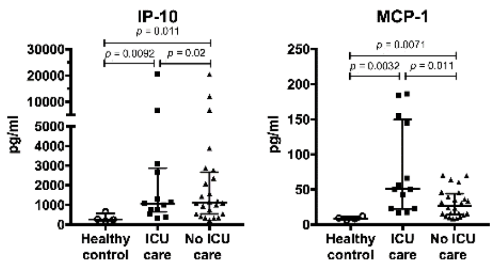
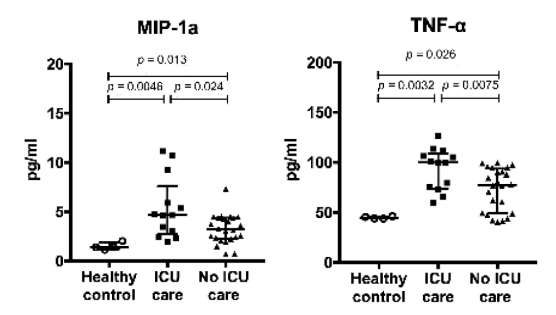
Figure 3: Plasma cytokine and chemokine levels in the healthy control group, ICU patients, and non-ICU patients (partial data) [9]
Therefore, similar to its role in combating H5N1 and H9N2 influenza viruses, mesenchymal stem cells (MSCs) can also improve the lung environment and alleviate symptoms in critically ill patients with novel coronavirus pneumonia by mechanisms such as reducing inflammatory responses, minimizing inflammatory exudates, and enhancing the survival rate of alveolar capillary endothelial cells. However, since an inflammatory milieu can also impair the therapeutic efficacy of MSCs, it is crucial not to rely solely on MSCs for treatment during severe stages of pneumonia—but rather to adopt a comprehensive therapeutic approach instead.

Figure 4: Plasticity of MSCs in immune regulation [10]
Why are stem cells cultured under low-oxygen conditions considered more resilient?
Jiuzhitang Maker has introduced the mature stem-cell pharmaceutical technology from U.S.-based Stemedica, and has established a production platform at the Beijing Daxing Biomedical Base that adheres to China’s and the U.S.’s cGMP-standard quality systems. This cutting-edge platform utilizes full-process hypoxia technology, enabling the produced mesenchymal stem cells to thrive in low-oxygen conditions—resulting in cells with exceptional ischemic tolerance. Induced pluripotent mesenchymal stem cells (iPSCs).
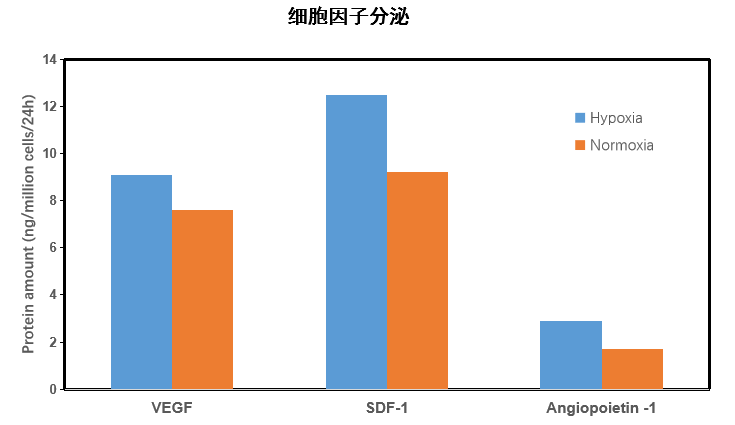
Figure 5: itMSC cells exhibit enhanced cytokine secretion capacity
itMSCs exhibit superior amplification, homing, tissue-repair, and inflammation-regulation capabilities compared to stem cells cultured under normoxic conditions. As shown in the figure below, itMSCs demonstrate heightened sensitivity to cytokines such as EGF, bFGF, VEGF-121, IL-1β, IL-6, and TNF-α during the wound-healing process, which further enhances their homing ability. [11] 。

Figure 6: itMSC exhibits greater sensitivity to cytokines during the wound-healing process.
Studies show that MSCs cultured under normoxic conditions also exhibit some anti-inflammatory regulatory capabilities, while itMSCs derived from hypoxic culture demonstrate even stronger anti-inflammatory effects. As a result, they hold great promise for playing a significant role in the treatment of severe cases of COVID-19.
Additionally, Stemedica's itMSC therapy for stroke (click to learn more: Stemedica's stem cell therapy successfully completed the primary endpoint of its Phase I/IIa clinical trial for ischemic stroke. Clinical trials for conditions such as acute myocardial infarction and spinal cord injury have all demonstrated promising results, serving as strong evidence [12]. The study found that itMSC can reduce the number of NK cells in the bloodstream—NK cells being a key type of inflammatory cell—and this reduction in NK cell count was positively correlated with improvements in left ventricular ejection fraction [12].
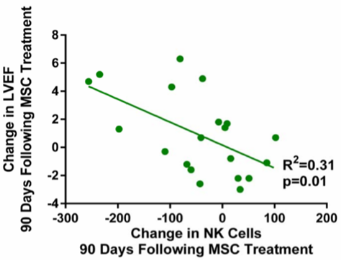
Figure 7. A decrease in NK cell count was positively correlated with improvement in left ventricular ejection fraction.
Additionally, in studies on acute myocardial infarction and ischemic cardiomyopathy, itMSCs can also reduce the number of neutrophils in the heart—neutrophils being another major class of inflammatory cells [13].
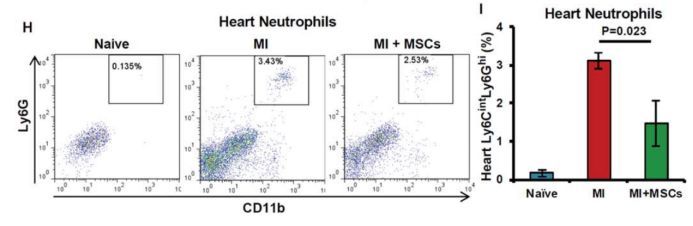
Figure 8: Intravenous injection of itMSC can reduce neutrophils in the heart [13]
As previously discussed, the "cytokine storm"—an overreaction of the body's immune system triggered by viral infection in an attempt to eliminate the virus—is the real life-threatening culprit. Administering MSCs at the right therapeutic window, followed by intravenous infusion, allows these cells to initially migrate to the lungs, where they help modulate inflammation, prevent excessive immune responses, reduce tissue damage, and even promote the repair of injured areas. This approach is expected to play a positive role in treating critically ill patients. Therefore, itMSCs—possessing enhanced anti-inflammatory capabilities—may be particularly well-suited for addressing viral pneumonia. Moving forward, Jiuzhitang Maker plans to collaborate more actively with leading domestic medical institutions to conduct additional, clinically relevant studies in this area.
References:
1. Makin S: How Coronaviruses Cause Infection—From Colds to Deadly Pneumonia. Scientific American, 2020.
2. Zhang H, Kang Z, Gong H, Xu D, Wang J, Li Z, Cui X, Xiao J, Meng T, Zhou W, et al.: The digestive system is a potential route of 2019-nCoV infection: a bioinformatics analysis based on single-cell transcriptomes. bioRxiv, 2020.
3. Caution Regarding Kidney Dysfunction in 2019-nCoV Patients. Medrixv, 2020.
4. Wang D, Hu B, Hu C, Zhu F, Liu X, Zhang J, Wang B, Xiang H, Cheng Z, Xiong Y, et al.: Clinical Characteristics of 138 Hospitalized Patients With 2019 Novel Coronavirus–Infected Pneumonia in Wuhan, China. *JAMA*, 2020.
5. Wikipedia, Mesenchymal stem cell. Wikipedia, 2020.
6. Thanunchai, M., S. Hongeng, and A. Thitithanyanont, Mesenchymal Stromal Cells and Viral Infection. Stem Cells Int, 2015. 2015: p. 860950.
7. Chan, M.C., et al., Human mesenchymal stromal cells alleviate influenza A H5N1-associated acute lung injury both in vitro and in vivo. Proc Natl Acad Sci U S A, 2016. 113(13): p. 3621-6.
8. Li, Y., et al., Mesenchymal stromal cell therapy prevents H9N2 avian influenza virus-induced acute lung injury in mice. Stem Cell Research & Therapy, 2016. 7(1): p. 159.
9. Huang, C., et al., Clinical features of patients infected with the 2019 novel coronavirus in Wuhan, China. Lancet, 2020.
10. Plasticity of mesenchymal stem cells in immunomodulation: Pathological and therapeutic implications, Nature Immunology, 2014.
11. Highly Targeted Migration of Human Mesenchymal Stem Cells Cultured under Hypoxia Is Associated with Enhanced Activation of RhoA. Stem Cell Research & Therapy 2013; 4(1): 5
12. Intravenously Administered Mesenchymal Stem Cells: Systemic Anti-inflammatory Effects Improve Left Ventricular Dysfunction in Acute Myocardial Infarction and Ischemic Cardiomyopathy. Circ. Res. 2017; 120(10): 1598-1613
13. Intravenous Allogeneic Mesenchymal Stem Cells for Non-Ischemic Cardiomyopathy: Safety and Efficacy Results of a Phase II-A Randomized Trial. Circulation Research, 2016
Related News

Here is the title—h1 placeholder text


Copyright © Jiuzhitang Maker (Beijing) Cell Technology Co., Ltd.
Powered by: 300.cn SEO | Privacy Policy