

News
News Center
Zhejiang University First Hospital is preparing to use "stem cell therapy" to treat severe cases of novel coronavirus pneumonia!
来源:Source: Qianjiang TV, Qianjiang Video, Stem Cell Home
2020-01-28
Question 12: What treatments does the First Affiliated Hospital of Zhejiang University offer for "COVID-19"? Is "stem cell therapy" effective?
Answer: At Zhejiang University First Hospital, during the treatment of H7N9 avian influenza, we developed a therapeutic approach known as "Four Resistances and Two Balances," which has proven highly effective against severe cases of avian influenza-related pneumonia, earning us the National Special Award for Scientific and Technological Progress. Similarly, the novel coronavirus-induced pneumonia is also a type of viral pneumonia. Given this similarity, we believe the "Four Resistances and Two Balances" protocol may yield comparable benefits. As a result, we are now clinically applying this treatment strategy to critically ill patients. Additionally, during our experience with avian influenza, we’ve successfully employed a cutting-edge method—stem cell therapy—which has shown promising results in addressing lung infections and pulmonary fibrosis in avian influenza patients. Based on this positive outcome, our hospital’s ethics committee has already approved moving forward with stem cell therapy as a potential treatment option for severe cases of the novel coronavirus infection.
Qianjiang Video's reporter conducted an exclusive interview with Professor Huang Jianrong, Deputy Director of the National Key Laboratory for Diagnosis and Treatment of Infectious Diseases, member of Zhejiang Province's Expert Team for Preventing and Controlling Novel Coronavirus Pneumonia, and Deputy Director of the Department of Infectious Diseases at the First Affiliated Hospital of Zhejiang University School of Medicine. Professor Huang provided insights into the current COVID-19 outbreak.
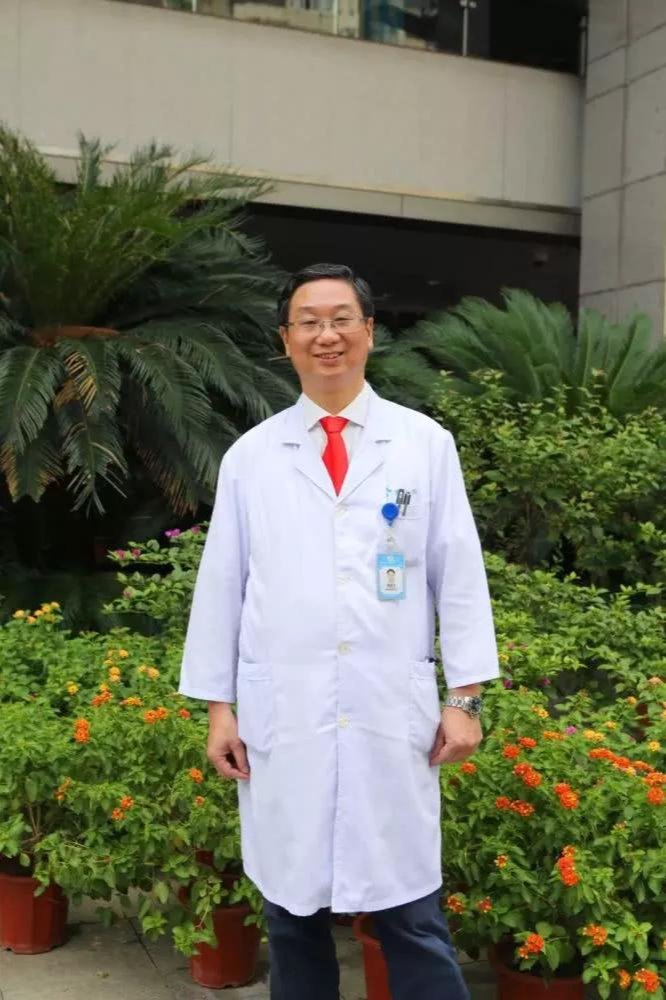
Full-length interview video
(Stem cell-related content begins at 11:24.)
https://v.qq.com/x/page/g3057y3kipe.html
Question 1: Under what circumstances should you wear a mask? How far apart should people stand to stay safe during interactions?
Answer: From the current situation, it appears that Zhejiang Province has relatively few cases of the novel coronavirus pneumonia. Therefore, in non-crowded areas—or if you haven’t had any direct contact with people from Wuhan—the chances of carrying the virus are very low. Similarly, the typical transmission range of the novel coronavirus pneumonia is about one meter. So as long as you maintain a distance of at least one meter, or preferably 1.5 meters or more, you can definitely stay safe.
Question 2: How can professionals in the public service sector protect themselves?
Answer: Currently, the primary groups advised to wear masks are those who have had contact with patients or individuals with a history of exposure to Wuhan—and especially anyone already experiencing symptoms like coughing or fever. Additionally, it’s recommended to wear a mask in areas where crowds tend to gather, particularly in enclosed spaces. For instance, as you mentioned earlier, visiting supermarkets, farmers' markets, cinemas, or even airports—places that are often closed off and where you can’t be sure whether the people around you have recently traveled from Wuhan or if they’re showing signs of illness like fever or cough. In such situations, wearing a mask is the safer choice.
Question 3: What should you do if your child falls ill? How can you stay safe from the novel coronavirus?
Answer: We’re currently in flu season, so we’ve seen a significant increase in cases of influenza-related fever among children. For kids who haven’t been in close contact with patients from Wuhan or anyone around them showing symptoms of the novel coronavirus pneumonia, we recommend that if they suspect they have a cold, they should stay home, drink plenty of fluids, and monitor their condition closely—there’s no need to rush straight to the hospital. Hospitals can be high-risk environments due to the variety of illnesses circulating there. However, if the child develops a high fever—say, above 38.5°C—or if the fever persists for two or more days, accompanied by other symptoms, we advise seeking prompt medical attention at a pediatric hospital’s fever clinic.
Question 4: How should friends and family in Wuhan interact with each other?
Answer: If you have guests from Wuhan, and your relationship with them isn’t very close, it’s advisable to suggest they reach out via phone or WeChat. However, if the relationship is strong enough that they still decide to visit, it’s best to ask them to wear a mask during any interaction—this way, the encounter will be safer for both parties. On the other hand, if you’ve already been in contact with someone from Wuhan who is showing symptoms like fever or cough, or if there’s even a suspicion of novel coronavirus exposure, it’s strongly recommended to wear a mask, stay home in self-isolation, and closely monitor your health by taking your temperature daily.
Question 5: How can you protect yourself during your Spring Festival travel home?
Answer: As the Spring Festival holiday comes to an end and more people begin their return journeys, we encourage everyone to prioritize rest during the break—make sure to get adequate sleep to maintain healthy immune function. On your way back home, whether you're traveling by public transport or in your own car, remember to wear a mask if you're on public transit. If you're driving yourself, try not to take excessively long trips; instead, take regular breaks to stay refreshed and alert.
Question six: What symptoms might appear during the incubation period of COVID-19? Is it contagious?
Answer: Based on current research, people infected with the novel coronavirus become contagious toward the end of the incubation period. At this stage, they may not yet show any symptoms. However, once the incubation period has passed, most patients typically begin experiencing fever, cough, or sore throat. In some cases, individuals may also develop abdominal pain, diarrhea, or other unusual symptoms.
Question 7: What advice do experts have regarding joint prevention and control efforts across multiple regions?
Answer: Since Zhejiang Province activated its public health emergency response plan, coordinated efforts across multiple departments have enabled the early detection, diagnosis, and treatment of these patients—activities that are critically important. Moreover, collaboration among our prevention-focused departments has helped limit the movement of infected individuals or virus carriers, thereby reducing transmission sources and minimizing new cases. As a healthcare system, we’ve leveraged multi-point coordination, particularly maintaining strong communication and collaboration with the National Health Commission as well as provincial, city, and county-level authorities. This allows us to draw on our extensive expertise to provide standardized guidance for both diagnosis and treatment.
Question 8: When will "COVID-19" be over?
Answer: Since novel coronavirus pneumonia is a new infectious disease, and based on relevant knowledge from infectious disease and epidemiology, we’re currently still in the early stages of case detection. Therefore, the number of reported cases is expected to continue rising gradually over the coming weeks—or perhaps one to two months—before eventually peaking. However, from an infectious disease perspective, these patients remain relatively few for now. During our typical winter-spring season, fever and cough are most commonly caused by common colds or seasonal influenza, especially given this year’s widespread circulation of both influenza A and influenza B strains, which have been particularly prevalent in clinical settings. Additionally, winter and spring are also peak seasons for chronic bronchitis and pneumonia. So, when ordinary people experience fever and cough, unless they have a clear history of exposure to an epidemic, the first possibility we’d consider is often another viral or bacterial infection. With timely treatment, most cases typically recover quite quickly.
Question 9: What is the current status of frontline medical workers in Zhejiang?
Answer: Since Zhejiang Province issued its Level 1 response, all departments—especially the health and medical supervision authorities—have mobilized the entire population. From community-level facilities to county hospitals, city-level hospitals, and even provincial-level medical institutions, everyone has been activated. On one hand, we’re focusing on strengthening prevention and treatment efforts within Zhejiang itself; on the other hand, yesterday, Zhejiang’s medical team already departed for Wuhan to support the city’s epidemic control and prevention efforts.
Question 10: What exactly is the work being done by Zhejiang's emergency medical team that has rushed to aid Wuhan?
Answer: Our emergency medical team this time is primarily a clinical diagnosis and treatment team, composed mainly of experts from the departments of Infectious Diseases, Respiratory Medicine, Critical Care ICU, and Nursing. Their main mission upon arrival will be to provide early diagnosis and treatment for patients in Wuhan. The team is divided into two groups: a general group, focusing on treating patients with fever and mild cases, and a critical care group, dedicated to rescuing and stabilizing patients whose conditions are already severe and life-threatening.
Question 11: Is it true that "anti-AIDS" drugs are being used in the treatment of "COVID-19"?
Answer: Since the novel coronavirus is a new infectious disease, there is currently no specific medication available. The anti-HIV drugs you just mentioned showed effectiveness against the coronavirus in animal experiments, but whether they are effective against the novel coronavirus—particularly in treating pneumonia caused by it—remains unclear at this point. We can explore this further through research studies approved by the hospital’s ethics committee, though such work is not yet considered a primary focus.
Question 12: What treatments does the First Affiliated Hospital of Zhejiang University offer for "COVID-19"? Is "stem cell therapy" effective?
Answer: At Zhejiang University First Hospital, during the treatment of H7N9 avian influenza, we developed a therapeutic approach known as "Four Resistances and Two Balances," which has proven highly effective against severe cases of avian influenza-related pneumonia, earning us the National Special Award for Scientific and Technological Progress. Similarly, the novel coronavirus-induced pneumonia is also a type of viral pneumonia. Given this similarity, we believe the "Four Resistances and Two Balances" protocol may yield comparable benefits. As a result, we are now clinically applying this treatment strategy to critically ill patients. Additionally, during our experience with avian influenza, we’ve successfully employed a cutting-edge method—stem cell therapy—which has shown promising results in addressing lung infections and pulmonary fibrosis in avian influenza patients. Based on this positive outcome, our hospital’s ethics committee has already approved moving forward with stem cell therapy as a potential treatment option for severe cases of the novel coronavirus infection.
Question 13: What will be the future development trends following the pandemic?
Answer: From the perspective of infectious disease epidemiology, after a new infectious disease emerges, its spread typically progresses from an initial phase to a peak period, before gradually declining and eventually coming under control. According to our mathematical modeling, a typical outbreak cycle usually lasts anywhere from three to five months. Therefore, I expect that in the near term, the number of cases will continue to rise gradually. In Zhejiang Province, thanks to the implementation of stringent isolation measures, we anticipate that case numbers will start to decline within a 14- to 28-day cycle. As for Wuhan, I estimate it may take two to three months before the situation there begins to stabilize and gradually come under control.
Question 14: What do you think is the most important advice for everyone right now?
Answer: For the general public, our top priority is to maintain a positive mindset and trust that the Party and the government will swiftly bring the epidemic under control. Believe in our government, and rely on reliable sources like radio, television, or reputable newspapers for accurate information. Avoid believing rumors, stay mentally resilient, and strengthen your immune system—this way, many people can either avoid getting sick altogether or recover quickly if they do fall ill.
Related News

Here is the title—h1 placeholder text


Copyright © Jiuzhitang Maker (Beijing) Cell Technology Co., Ltd.
Powered by: 300.cn SEO | Privacy Policy