

News
News Center
Common Challenges in Stem Cell Drug Development and Industrialization — The CMC Pharmaceutical Perspective
2025-04-02
Editor's Note:
Although Hainan Boao Lecheng's biomedical new technology policies have made some progress, there is still a long way to go. According to the pricing announcement from the pilot zone, stem cell therapy projects are strictly limited to safety parameters that have been rigorously verified through Phase II and Phase III clinical trials. Against this backdrop, developing stem cell-based drugs has become an increasingly attractive option for more and more companies. However, pharmaceutical development is a serious undertaking—what specific requirements does GMP-level sterile drug manufacturing impose? And how do laboratory production processes differ significantly from large-scale industrial production? Moreover, what measures should be implemented to effectively manage materials, equipment, and operational areas? Finally, in terms of quality research, what precise studies are necessary? What preparations need to be completed before filing an IND application? And how exactly should the CTD documentation be prepared?
These questions may seem straightforward, but for research institutions and biotech companies that haven’t yet received training in pharmaceutical regulatory systems, they actually represent a towering mountain standing squarely in the path toward bringing drugs to market. As a pioneering enterprise in China’s regenerative medicine sector, Jiuzhitang Maker has amassed over 100 batches of experience in manufacturing sterile pharmaceutical products; successfully facilitated the approval of three groundbreaking IND applications for stem-cell-based new drug clinical trials; and established the CQDMO service platform, offering a one-stop solution—including production, testing, regulatory submissions, and expert consulting—to both research institutions and industry-related businesses.
As the inaugural article in our series on stem cell-based therapeutics, this piece will focus on the key milestones in stem cell drug development, aiming to spark discussion and provide practitioners with practical insights and inspiration—as well as foster collaboration—to accelerate the advancement of stem cell-based drug research and its commercialization.
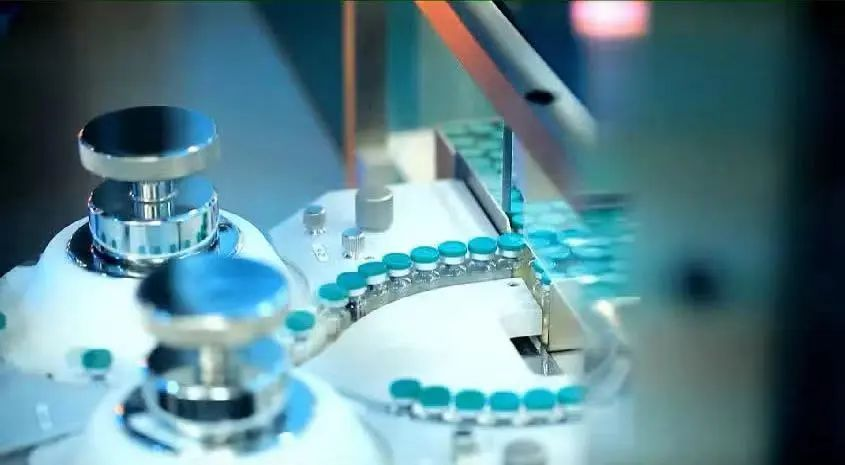
On the race track of stem-cell drug development, every step feels like navigating blindly in the dark. From the faint glimmer of hope in the lab to the first signs of promise in clinical applications, and from the challenging start of an IND (Investigational New Drug) application to the final sprint toward an NDA (New Drug Application)—this is a long journey filled with uncertainty and obstacles. Among these, critical pharmaceutical research—specifically CMC, or Chemistry, Manufacturing, and Controls—is absolutely paramount. If not handled carefully, it could inadvertently sow the seeds of significant future risks.
Jiuzhitang Maker, leveraging its exceptional craftsmanship and scalable production capabilities, has established itself as a global leader in the CQDMO (Contract Quality, Development, and Manufacturing Organization) service platform. The company provides customers with end-to-end support—from CMC research and IND filings to commercial-scale manufacturing. This cutting-edge platform not only accelerates standardization and commercialization within the stem cell industry but also delivers substantial cost advantages and enhanced market competitiveness for its clients.
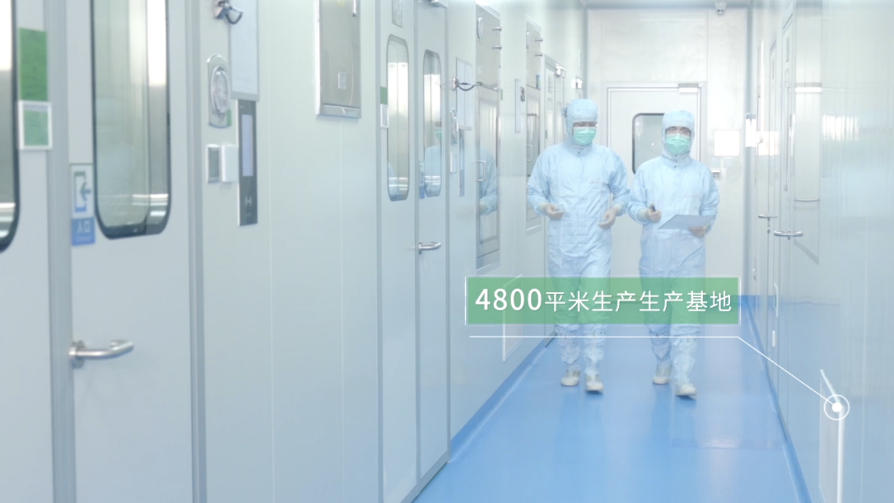
Production Environment Control: A Multidimensional Protection System for Cleanrooms
The production of stem cells for human clinical trials must be conducted under Good Manufacturing Practice (GMP) conditions for pharmaceuticals to prevent confusion, errors, contamination, and cross-contamination, thereby ensuring the safety, uniformity, and stability of the final product. The facility design should include separate cleanroom areas to minimize contamination risks between different operational levels. Additionally, the air purification system must meet specific particle count and microbial limit requirements. All equipment used must undergo rigorous validation to guarantee both performance and cleanliness. Finally, every step of the process must be thoroughly documented to facilitate auditing and traceability.
According to China's "Technical Guidance Principles for Research and Evaluation of Cell Therapy Products," the use of antibiotics should be minimized during the manufacturing process of cell therapy products. Companies are required to achieve antibiotic-free production through cleanroom environment control (e.g., B+A grade), innovative equipment, and optimized processes, ensuring product quality and safety.
Production Process Development: From Lab to Factory Process Scaling-up
During the cell therapy drug development process, manufacturing companies are required to provide detailed steps, parameters, and production process control measures tailored to the clinical trial phase. The manufacturing process must undergo a thorough evaluation of its transition—from laboratory-scale procedures to those used in human clinical trials—ensuring both the process’s rationale and robustness. This step is critical to meeting the demand for cell therapies throughout the clinical phase while also guaranteeing product safety and maintaining full control over the process and product quality. These efforts form an essential foundation for preparing the Investigational New Drug (IND) application.
If production process changes are required during clinical trials, it is recommended to refer to the CDE’s "Technical Guidance Principles for Pharmaceutical Research and Changes of Biologics During Clinical Trials" (Draft for Comments), among other resources, to analyze the comparability of the product—specifically in terms of safety, efficacy (as applicable), and quality control—before and after the proposed changes.
However, if a clinical trial is about to enter Phase III, it is advisable to avoid making arbitrary process changes, as this could lead to regulatory risks, patient safety concerns, data invalidation, and uncontrolled costs. Instead, companies should establish a robust process-development framework early in the R&D phase, proactively identifying and mitigating potential risks—ideally achieving process stability well before Phase III—to strengthen their competitive edge.
Quality Research and Quality Control: Building a Three-Dimensional, Comprehensive Quality Network
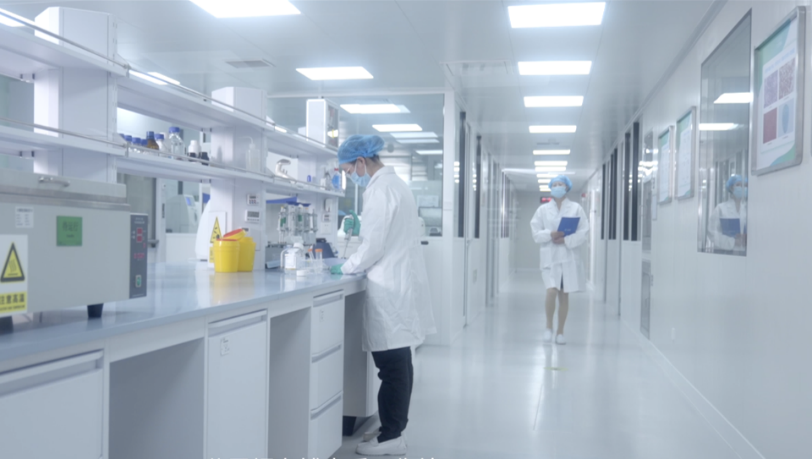
Stem cell products are characterized by diversity, heterogeneity, and complexity, making it essential that quality research on these products be comprehensive and ongoing. It is recommended to select representative production batches—such as non-clinical study batches, clinical trial batches, and commercial-scale production batches—and appropriate samples from various stages of manufacturing, including cell banks, intermediates, drug substances, and finished formulations. Quality studies should cover key aspects like cellular characterization, functional analysis, purity assessment, and safety evaluations, while also incorporating additional relevant tests tailored to the specific characteristics of the product.
Companies should establish a quality control strategy for cell therapy products, recommending a mechanism that combines intermediate product quality testing with final product release inspections. Quality control typically should address aspects such as identification, biological potency, purity, impurities, cell count (including the number of viable cells), and general tests—including sterility, mycoplasma, endotoxins, visual inspection, and detection of other extraneous foreign substances besides cells.
Stability Study: A Prediction of Mass in Spatiotemporal Dimensions
The basic principles for stability studies of cell therapy products can be aligned with the requirements for stability studies of general biologics, while also tailoring the study design to the product’s specific characteristics, clinical usage needs, and factors related to storage, packaging, and transportation. For instance, liquid formulations should focus on the impact of shaking on cells, whereas frozen formulations require careful consideration of how freezing and thawing processes affect cell viability.
Typically, stability studies for cell therapy products require a systematic 3- to 5-year research plan. Accelerated testing can help shorten the time frame, while multi-level assessments ensure comprehensive coverage of quality risks, ultimately enabling closed-loop management from the lab all the way through clinical applications. During the IND submission phase, stability studies for cell-based formulations should address every stage—storage, transportation, and use—and, provided they meet the basic requirements for clinical application, these studies can be further refined and supplemented during the clinical trial period.
Jiuzhitang Maker: A Catalyst and Innovation Leader in the Stem Cell Industry
Jiuzhitang Maker's CQDMO service platform, backed by its robust core competencies, empowers research institutions and related enterprises with process solutions spanning the entire lifecycle of stem-cell-based pharmaceuticals. As a state-of-the-art "super factory" integrating R&D, production, and quality control, Jiuzhitang Maker leverages a unique low-oxygen culture process to achieve highly efficient expansion—capable of producing 10 million finished doses from a single donor. This groundbreaking capability has successfully addressed critical technical hurdles in the stem-cell industry, positioning Jiuzhitang Maker as a key standard-setter and innovation catalyst driving the rapid advancement of the stem-cell sector.
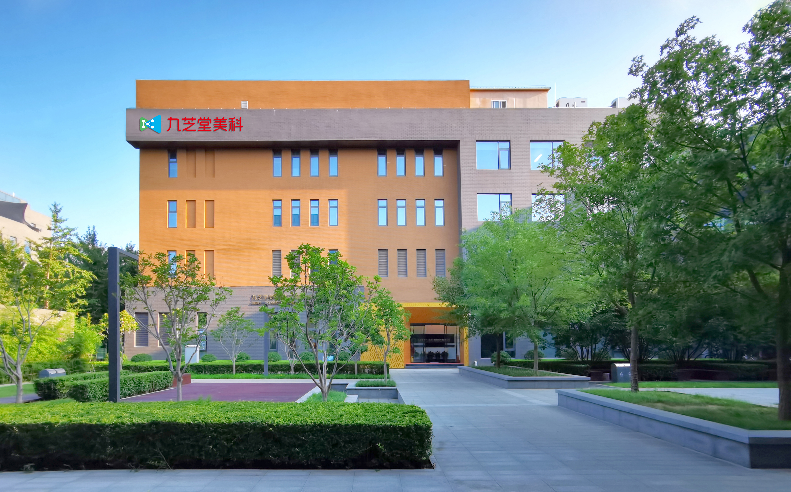
During the process development phase, Jiuzhitang Maker’s highly efficient R&D team excels at precisely understanding customer needs and tailoring bespoke process development solutions to meet them. By optimizing cell culture conditions, enhancing cell expansion efficiency, and rigorously validating the process for robustness and reproducibility, the team effectively shortens the development timeline—providing customers with a strong competitive edge in seizing market opportunities.
Entering the production phase, Jiuzhitang Maker’s experienced and professional manufacturing team crafts tailored, flexible production strategies for clients, precisely addressing product needs across all stages—from pre-clinical research and clinical trials to commercial-scale production. Notably, in the cell bank establishment process, Jiuzhitang Maker offers customized cell bank services ranging from small-to-medium scales up to large-scale production, perfectly aligned with clients’ unique requirements. This service not only helps reduce production costs effectively but also lays a solid foundation for clients’ future commercialization efforts, enabling them to stand out in fierce market competition and secure a competitive edge.
During the IND submission phase, Jiuzhitang Maker’s dedicated project application team has successfully helped secure approval for three groundbreaking clinical trial applications targeting innovative stem-cell-based new drugs—each of these trials marking a national or global first. Leveraging their deep expertise and extensive hands-on experience, Jiuzhitang Maker provides clients with comprehensive, expert support, assisting them in precisely crafting robust registration strategies and meticulously preparing all necessary submission documents, ensuring smooth progress and successful advancement of their projects.
From stem-cell drug research and development to successful market launch, it has been a challenging journey—a race against time and a battle of cutting-edge technology. At Jiuzhitang Maker, we are committed to working hand-in-hand with industry partners to jointly chart a new blueprint for stem-cell drug R&D and industrialization, paving the way for a fresh chapter ahead.
Related News

Here is the title—h1 placeholder text


Copyright © Jiuzhitang Maker (Beijing) Cell Technology Co., Ltd.
Powered by: 300.cn SEO | Privacy Policy