

News
News Center
CCTV News: Stem cell therapy has gradually matured in recent years and is now advancing toward clinical translation.
2023-02-01
From basic research to clinical treatment, from biopharmaceuticals to public health, safeguarding life and health relies on scientific innovation. Focused on the health and well-being of people, countless science and technology professionals are dedicating themselves to advancing innovative solutions—making it a top priority to enhance the health and quality of life for communities worldwide—and steadily achieving groundbreaking, globally leading results.
Advancing brain and mind science research to safeguard life and health
Focusing on people's health and well-being, China has been steadily strengthening its support for basic research. From the 13th Five-Year Plan to the 14th Five-Year Plan, brain science has consistently been designated as a key, cutting-edge scientific project. This Spring Festival, researchers at the Chinese Academy of Sciences' Center for Excellence in Brain Science and Intelligence Technology remained busy in the lab, pushing forward groundbreaking work in the field of brain and intelligence sciences. But exactly how could their research help address pressing health challenges? Let’s find out together.
CCTV reporter Dou Yunyun: Inside the liquid nitrogen container next to me is the stem-cell drug currently being used in the lab to treat Parkinson's disease—just one intracranial injection can significantly alleviate the symptoms.
Parkinson's disease is one of the most prominent neurodegenerative disorders, and developing long-term, effective, and innovative clinical treatments to improve the quality of life for patients has become a critical challenge in an aging society. After years of intensive basic research, stem cell therapy has gradually matured in recent years and is now moving toward clinical translation.
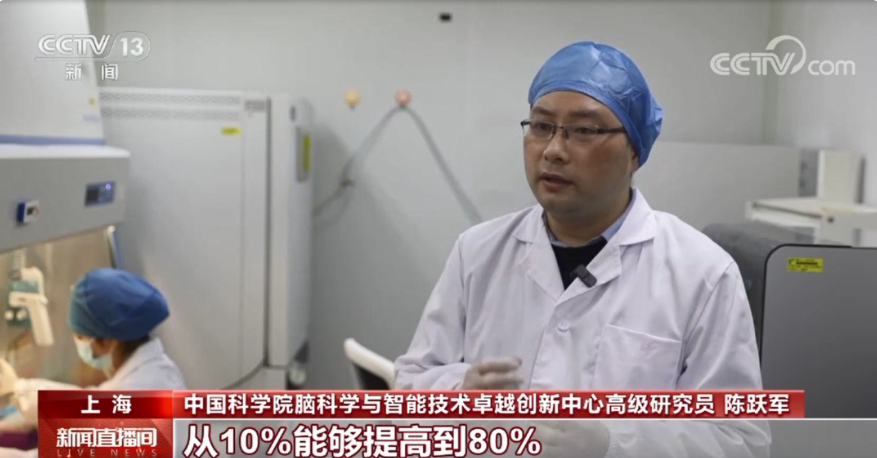
Chen Yuejun, Senior Researcher at the Center for Excellence in Brain Science and Intelligence Technology, Chinese Academy of Sciences: The loss of dopamine is a major cause of the various motor impairments seen in Parkinson's disease. Once transplanted cells are introduced, they further integrate into the patient's brain's neural network, eventually differentiating into dopamine-producing neurons that resume dopamine secretion—thereby helping Parkinson's patients regain their motor functions.
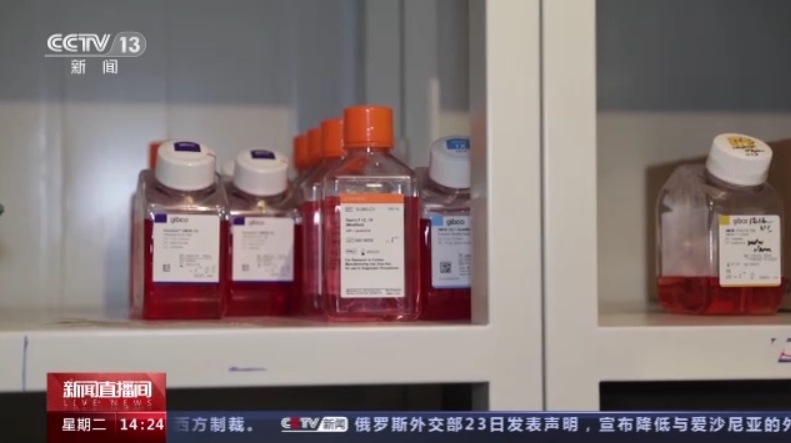
Currently, this innovative drug formulation is considered one of the most promising therapeutic strategies for curing Parkinson's disease. With numerous experiments requiring continuous progress, the team remained diligently at work in the lab even during the Spring Festival holiday.
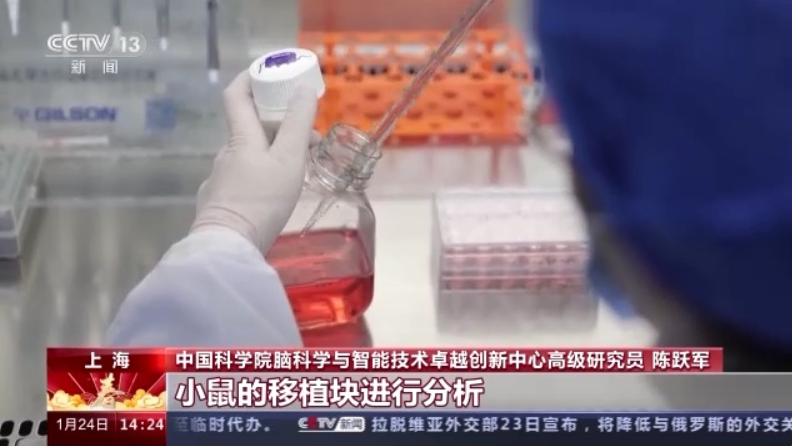
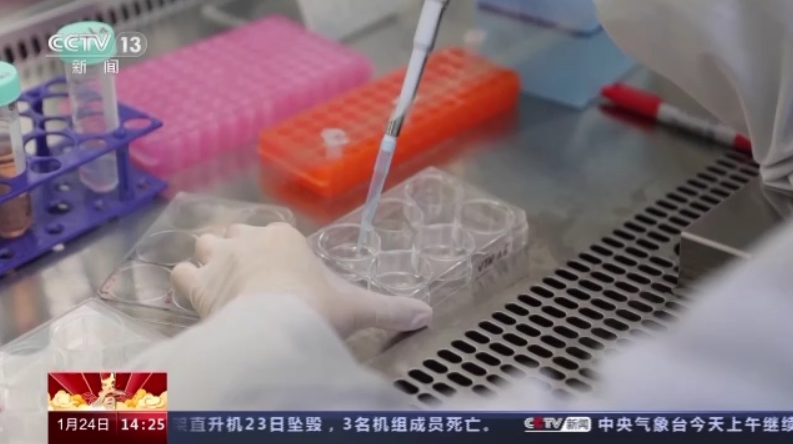
Chen Yuejun: We primarily used the latest spatial transcriptomics technology to analyze the transplanted tissue blocks from mice six months after transplantation. We’ve just received these data, which now require extensive analysis. Additionally, we’ve been working on data from cell transplantation in a Parkinson’s disease monkey model—this experiment has already been ongoing for 18 months. As it happens, this milestone coincides with the upcoming Spring Festival, so we’ll ensure the data is collected promptly and analyzed as quickly as possible, providing crucial support for future clinical trials.
Many countries and regions around the world have successively launched clinical trials of stem-cell therapies for Parkinson's disease based on human pluripotent stem cell technology, yielding promising data on drug safety. However, after cell transplantation, the average percentage of functional cells remains around 10%, presenting a critical bottleneck that currently hinders the widespread clinical application of stem-cell treatments for Parkinson's disease.
Chen Yuejun: Achieving cells with higher purity, greater safety, and superior efficacy—while scientists around the world are already exploring this area—has so far only resulted in improvements of about 20 to 30 percent. But just because others haven’t succeeded yet doesn’t mean we can’t.
Targeting this goal, the research team relentlessly tackled challenges and ultimately developed a groundbreaking technology that enables the directed differentiation of human pluripotent stem cells into substantia nigra dopaminergic neuron subtypes. They also successfully identified and characterized a unique surface marker molecule in the process.
Chen Yuejun: We were thrilled to discover that by using these molecular markers to enrich specific stem cell-derived drugs, followed by transplantation for cell therapy, we could increase the purity of the cells from 10% to as high as 80%.
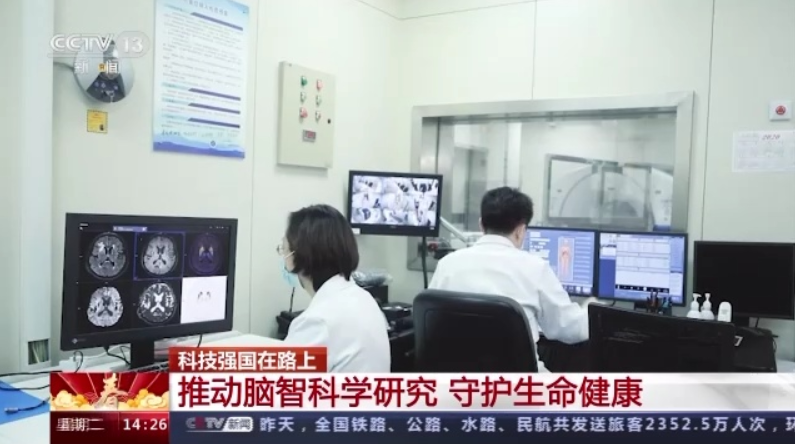
The screened cell-based therapy demonstrated enhanced therapeutic efficacy, marking a significant step toward the clinical translation of a safer and more effective cell-replacement approach for Parkinson’s disease. At the end of 2022, the research team initiated collaborations with relevant hospitals, and clinical trials are now actively underway.
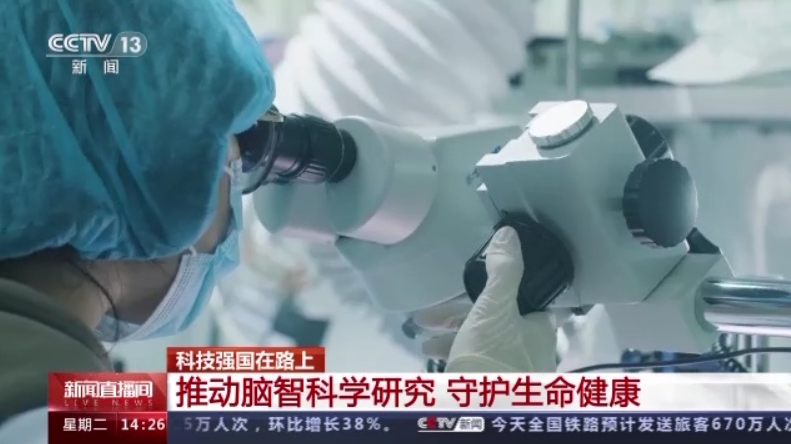
Focusing on two cutting-edge fields—brain science and brain-inspired intelligence technologies—the Brain Intelligence Excellence Center of the Chinese Academy of Sciences continues to achieve significant breakthroughs in research areas such as neuroinflammation, autism, depression, aging, and sleep regulation—critical topics in major brain disorders. Looking ahead, the center will further accelerate the translation of these fundamental scientific findings into clinical applications, ultimately enhancing human health and well-being.
Embark on a new journey—let’s hear their fresh aspirations.
Du Jiulin, Deputy Director (in charge of daily operations) of the Center for Excellence in Brain Science and Intelligence Technology at the Chinese Academy of Sciences: "We hope to develop effective diagnostic, treatment, and intervention methods for several major brain diseases in the near future."
Chen Yuejun, Senior Researcher at the Center for Excellence in Brain Science and Intelligence Technology of the Chinese Academy of Sciences: "Mastering truly core technologies will enable us to have our own voice in the international stem cell therapy field."
Reprint Notice: This article is reprinted from CCTV13. If there are any issues, please contact us for removal.
Related News

Here is the title—h1 placeholder text


Copyright © Jiuzhitang Maker (Beijing) Cell Technology Co., Ltd.
Powered by: 300.cn SEO | Privacy Policy