

News
News Center
Stem cells achieve new clinical breakthroughs in 14 neurological disorders (with case video included)
来源:The "Father of Stem Cells"
2021-07-20
Currently, many neurological disorders are difficult to cure, and patients with treatment-resistant neurological conditions often suffer from paralysis, loss of social function, and severe challenges in daily life, placing a heavy burden on both society and their families. Promoting neurofunctional recovery and slowing disease progression are the primary treatment goals for intractable neurological disorders.
Video: Space Trial of Stem Cell Therapy for Neurological Disorders
Stem cells possess the remarkable potential for self-renewal and multidirectional differentiation, making them an ideal cellular source for nerve regeneration and repair. In recent years, stem cells have emerged as a highly promising new therapeutic approach for intractable neurological disorders.
In July 2019, a research team comprising institutions such as Sun Yat-sen Memorial Hospital of Sun Yat-sen University and the Seventh Affiliated Hospital of Sun Yat-sen University published new findings in the international stem cell academic journal "StemCell International." Evidence suggests that mesenchymal stem cells hold promise for improving neurological disorders.
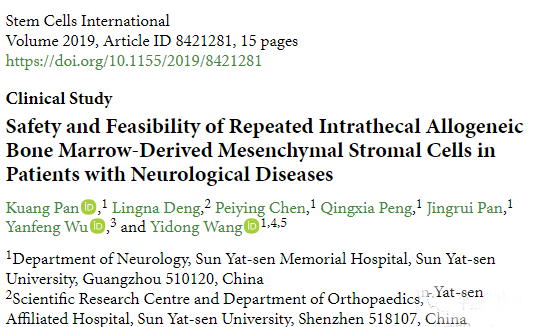
The new study involves 37 patients across 14 different diseases.
Mesenchymal stem cells have become the most widely used adult stem cells in regenerative medicine. Preclinical studies suggest that mesenchymal stem cells hold promise as a potential treatment for neurological disorders.
This study evaluated the safety and efficacy of intrathecal injections of mesenchymal stem cells derived from neural tissue in patients with neurological disorders. Intrathecal injection has a unique feature that allows stem cells to migrate directly to the lesion sites in patients with central nervous system disorders.
This was an open-label clinical study that evaluated 37 patients across 14 different diseases from December 2014 to March 2018. Among these cases, there were 12 instances of cerebral infarction, 1 case of traumatic brain injury, 1 case of cerebral hemorrhage, 2 cases of Alzheimer's disease, 5 cases of motor neuron disease, 4 cases of spinal cord injury, 3 cases of myelitis, 2 cases of spinocerebellar ataxia, 2 cases of multiple system atrophy, 1 case of acute disseminated encephalomyelitis, 1 case of encephalopathy syndrome, 1 case of hereditary spastic paraplegia, and 1 case of multiple sclerosis, along with 1 case of heatstroke.
Clinical outcomes: Mesenchymal stem cells safely and effectively improve neurological disorders.
In this clinical study, eligible patients underwent baseline assessments and received allogeneic bone marrow mesenchymal stem cell transplantation. The dose is 1 million cells per kilogram, Four consecutive treatments were administered, with one week between each session. After the four transplants, the patient underwent at least 6 months of follow-up care.
Researchers evaluated the safety and feasibility of this treatment by analyzing adverse events, cerebrospinal fluid test results, clinical symptoms, physical examinations, as well as hematological and imaging findings.
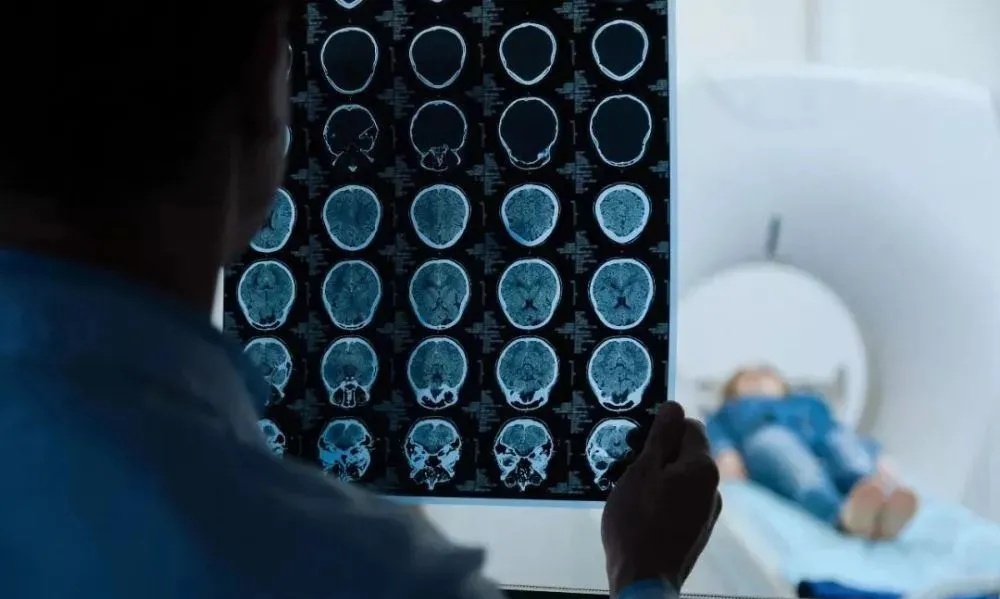
Additionally, the researchers conducted a systematic review of the safety of all types of transplanted stem cells and compared the findings of this study with those from previous research.
The results showed that the most common adverse event was mild pain at the transplant site (4.11%), followed by fever (3.42%) and mild headache (2.05%). No serious adverse events were reported.
Following intrathecal injection, 30 patients showed an increase in white blood cells in their cerebrospinal fluid, while 26 exhibited elevated protein concentrations exceeding normal levels—though all other CSF parameters remained within the normal range. Hematological and imaging assessments revealed no abnormal changes after mesenchymal stem cell infusion. Notably, the incidence of adverse events such as headache, fever, nausea, and neck pain was nearly identical—or even lower—compared to previous studies.
Based on the above data, researchers believe that Repeated transplantation of allogeneic bone marrow mesenchymal stem cells for the treatment of neurological disorders is safe, feasible, and holds significant potential for future applications.
Stem Cell Therapy for Neurological Disorders: Selected Cases
1. Spinal Cord Injury Cases
Nian Fu, male, 41 years old, China
Medical History: One year prior to admission, the patient sustained chest and back injuries in a car accident, resulting in chest and back pain, as well as impaired mobility in the lower limbs. Following the injury, an emergency CT scan of the thoracic spine revealed a fracture at T10. The patient subsequently underwent "thoracic laminectomy with pedicle screw-rod system for reduction and internal fixation," followed by rehabilitation therapy. However, residual symptoms persist, including diminished sensation below L1 in both lower limbs, with complete loss of sensation below L3. Additionally, the patient has experienced complete muscle weakness and significantly increased muscle tone in the lower extremities, leading to severe spasticity that makes it difficult to separate the legs. The patient remains in a passive supine position, struggles with frequent urinary incontinence, and reports bowel movements occurring only about once every 5 to 6 days.
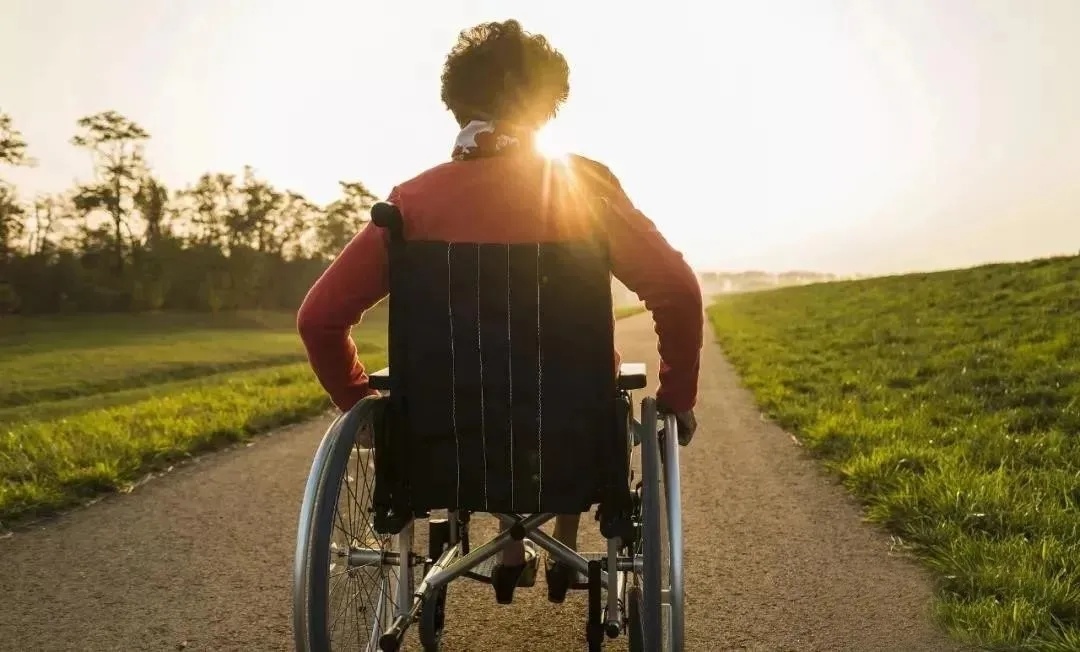
Stem Cell Transplantation: Two courses of neural stem cell transplantation were performed, combined with conventional rehabilitation therapy.
Condition after treatment: Three months after the first stem cell treatment, motor function has improved compared to before—she can now independently transition from lying down to sitting and move from a seated position into a wheelchair. Additionally, her core and back muscle strength has significantly increased, and with the support of a brace, she’s able to take slow, deliberate steps.
Medical check-up: Reduced superficial sensation in both lower limbs below L1, with complete loss of superficial sensation in the left lower limb below L4. Muscle strength in both upper limbs is grade 5, with normal muscle tone. The big toes on both sides can actively flex (grade 1), while muscle strength in both lower limbs ranges from grade 1 to 2. Muscle tone remains elevated but has improved compared to earlier assessments. The legs can now be spread apart laterally. Both knee and ankle reflexes are hyperactive, and both lower limbs exhibit involuntary spasms. Pathological reflexes remain positive. Bowel and bladder functions are intact.
The second treatment course was administered six months after the first stem cell therapy.
Condition after treatment: It can automatically turn over, sit up, and walk with brace support. Without a brace, it can stand for up to 30 minutes continuously.
Medical check-up: Left-sided decrease in light touch sensation below L1, with complete loss below L4; right-sided reduction in light touch sensation below L1. Bilateral upper limbs demonstrate normal muscle strength (grade 5) and normal muscle tone, while both lower limbs exhibit muscle strength ranging from 2 to 3. On the left side, active dorsiflexion of the toes is possible at grade 2, whereas on the right side, active dorsiflexion of the toes is fully preserved at grade 5. Muscle tone remains elevated, and tendon reflexes are brisk. Notably, spasticity in both lower limbs has improved significantly compared to earlier assessments—currently, only mild spasticity persists in the calf region. Patellar and Achilles clonus remain positive, and pathological reflexes are still present. Bowel and bladder function remain intact.
Video: Paralyzed for 14 Years Walks Again After Stem Cell Treatment
2. Cases of Post-Stroke Hemorrhage Sequelae
Guo, male, 55 years old
Cause: Left-sided limb weakness accompanied by sensory loss for 5 years, with no improvement despite treatment at multiple hospitals.
Admission diagnosis: Sequelae of subarachnoid hemorrhage.
Hospitalization status: Left upper limb: proximal muscle strength is Grade IV, while distal muscle strength is Grade I. Left lower limb: proximal muscle strength remains at Grade IV, but distal muscle strength has declined to Grade III. Tendon reflexes are hyperactive, muscle tone is increased, and pathological reflexes are present. Additionally, there is diminished deep and superficial sensation on the left side.
Treatment method: Four neural stem cell transplants were performed.
Condition after treatment: My legs are stronger than before treatment, making walking much easier. After the weather turned colder, the stiffness in my body significantly decreased as temperatures warmed up. On the left side, sensation in the upper limb has improved—now more sensitive from the proximal to distal areas, with clear awareness extending down to the palm of my hand; there’s no noticeable change in sensation across the fingers. Similarly, sensation in the left lower limb has also improved compared to earlier, particularly from the proximal to distal regions, though it remains unchanged at the tips of the toes. Overall, motor function on the left side has markedly improved, and I can now move the limb independently. Additionally, muscle tone in the left upper limb has softened and improved when tension is present.
3. Parkinson's Syndrome Cases
Mr. Yi, male, 69 years old
Symptoms: Four years ago, the patient began experiencing tremors in all four limbs, with the right side more severe. Significant muscle atrophy and rigidity were noted on the right side. The patient also struggled to swallow saliva voluntarily, leading to constant drooling. Speech was minimal or absent altogether. The face appeared oily and "mask-like," with a dark reddish hue spreading across the face, hands, and feet. Chronic constipation persisted—bowel movements occurred only once every 6 to 7 days, and stools were hard as stones. Gait was characterized by shuffling steps and an uncontrollable forward-leaning posture, making walking, neck turns, and pivoting extremely slow and challenging. Notably, the natural swinging motion of the arms during walking was completely absent, further shortening the patient’s stride length. Despite ongoing medication, episodes of auditory and visual hallucinations have occasionally occurred.
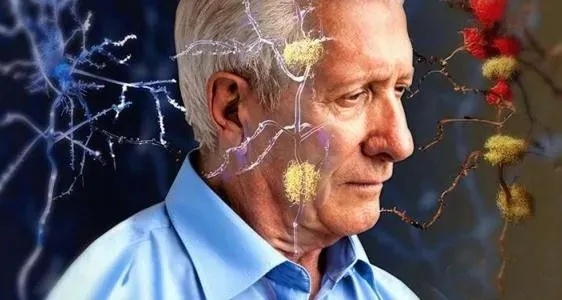
Diagnosis: Parkinson's Disease.
Treatment: Undergoing minimally invasive stem cell therapy, with all medications discontinued.
Post-treatment condition: Six months after treatment, the elderly patient has a healthy, rosy complexion with evenly toned hands and feet. Skin appears fair and radiant, with well-muscled, elastic muscles. The "mask-like" facial expression has completely disappeared, and oil production has significantly decreased. The patient can now swallow saliva independently. Tremors have almost entirely subsided, and gait has nearly returned to normal—allowing for brisk walking, jogging, playing table tennis, and even flying a kite. Bowel movements occur every 2-3 days, producing soft, yellow, sausage-shaped stools. Overall, the patient is fully independent in daily activities.
4. Cases of Ataxia
Wu, male, 31 years old
Symptoms and signs upon admission:
Symptoms: Eleven years ago, while cycling downhill, I accidentally fell and landed hard on my head. Four to five months later, I began experiencing involuntary movements in both hands—symptoms that worsened when writing or holding chopsticks—though no clear diagnosis was made at the time. Two years later, a brain MRI performed at a local hospital revealed cerebellar atrophy. Subsequently, I visited the Neurological Research Institute in Hefei, where I was diagnosed with acute inflammatory demyelinating polyneuropathy. Unfortunately, the specific treatment details remain unclear. Four years ago, I started experiencing instability while walking; three years ago, I developed slurred speech and facial muscle spasms, along with an inability to lift my neck voluntarily. Two years ago, I began choking when drinking water. Notably, all these symptoms have progressively worsened over the past several years.
Vital signs: Patient is alert and oriented, cooperative during physical examination. Speech is slurred with dysarthria, but memory and comprehension remain intact, as does the ability to perform basic calculations. Olfaction is normal; eye movements are smooth and unrestricted, with no diplopia or nystagmus. Pupils are equal in size and round, measuring approximately 3 mm in both the left and right eyes, with intact pupillary light reflexes. Corneal reflexes are also normal. Facial sensation is preserved bilaterally, and the masseter muscles exhibit good strength. The forehead wrinkles are symmetrical, and both eyes close tightly with equal force. Nasolabial folds are symmetric, and there’s no deviation of the mouth corner. Blowing air into cheeks elicits symmetrical puffing. Occasional mild aspiration occurs during drinking, but the soft palate remains midline, and the gag reflex is present, indicating normal swallowing function. The tongue protrudes midline, though slight fibrillation is noted in the tongue muscles, with no evidence of atrophy. There is no muscle wasting or fasciculations, nor any resting tremor. Muscle strength is graded as V- in both upper limbs and IV in both lower limbs. Muscle tone is within normal limits in the upper extremities but slightly increased in the lower limbs, accompanied by reduced range of motion. Sensory testing reveals mostly normal superficial, deep, and proprioceptive sensations. However, performance on finger-to-nose and finger-to-finger coordination tests, as well as heel-to-knee-tibia reflexes, is impaired. The patient struggles to stand steadily with eyes closed (Romberg sign positive). Gait is broad-based. Deep tendon reflexes are intact: biceps (+), triceps (+), radial periosteal (+), and patellar (+). Superficial reflexes are present. Pathological reflexes, including bilateral Babinski signs, are absent. Cerebral meningeal signs are negative, and skin scratch tests yield no abnormal response.

Diagnosis: Ataxia
Inpatient treatment process: After a 24-day hospital stay, the patient received four sessions of neural stem cell transplantation, combined with comprehensive treatments such as effective nutrients, rehabilitation therapy, and acupuncture.
Symptoms and signs at discharge: Vital signs are stable, and the patient is in generally good condition. Fine motor skills, such as handwriting, have noticeably improved compared to before, and the patient now uses chopsticks with greater dexterity—able to pick up even mung bean-sized food items smoothly. Dysphagia (difficulty swallowing) has significantly decreased, and the patient can walk steadily with a nearly normal gait. Climbing stairs has also become easier. On physical examination: Speech remains slurred. Muscle strength in both upper limbs is graded at V, while lower-limb strength is rated at IV. Muscle tone in the lower limbs is slightly elevated, with slightly reduced flexibility. Sensory tests—including light touch, proprioception, and complex sensation—remain intact. However, results from the finger-to-nose test, finger-to-finger coordination, rapid alternating movements, and heel-to-knee-tibia reflexes are somewhat inaccurate and imprecise. The Romberg test (standing with eyes closed) is negative. No pathological reflexes were elicited.
5. Amyotrophic Lateral Sclerosis (ALS)
A hospital in Guangdong Province conducted four umbilical cord mesenchymal stem cell transplantation treatments on 29 ALS patients. By day 14 post-treatment, patients showed significantly improved scores in dressing, hygiene, and upper-limb muscle strength compared to pre-treatment levels. By day 28, not only were improvements observed in speech, dressing, and hygiene functions—already better than at baseline—but upper-limb muscle strength had further increased. Additionally, speech function scores had notably improved compared to those recorded on day 14 after treatment. This confirms that umbilical cord mesenchymal stem cell transplantation is effective and safe for the short-term treatment of ALS.
Beijing Armed Police General Hospital has treated 47 ALS patients, among whom 22 showed improved physical function after receiving stem cell transplants—particularly noticeable in 8 patients. One patient, Ms. Li, initially struggled with slurred speech, weakness in her upper limbs, and difficulty lifting her lower legs; however, after treatment, she was able to take steps and walk confidently. A therapeutic efficacy analysis was conducted on the 99 ALS patients who were hospitalized and received umbilical cord mesenchymal stem cell therapy. Research has shown that umbilical cord mesenchymal stem cell transplantation can improve motor function in ALS patients, with particularly promising results observed within the short term (up to six months). Importantly, the entire procedure was found to be safe.
Future Outlook
Multiple clinical trial data indicate that stem cell transplantation can improve various neurodegenerative diseases and acute brain injuries, leading to overall better patient outcomes. Patients who receive stem cell therapy in combination with conventional drug treatments tend to show superior results compared to those treated with traditional medications alone. As research continues to advance, stem cells hold promising potential for helping patients with neurological disorders achieve meaningful recovery.
Related News

Here is the title—h1 placeholder text


Copyright © Jiuzhitang Maker (Beijing) Cell Technology Co., Ltd.
Powered by: 300.cn SEO | Privacy Policy