

News
News Center
CCTV Report | Stem cells help 11-year-old rheumatoid arthritis patient achieve full recovery, fulfilling her mother's dream
来源:Excerpt from CCTV10 and the "Father of Stem Cells"
2021-04-09
Rheumatoid arthritis is a condition we encounter quite frequently in everyday life, and女性朋友 are particularly vulnerable to its risks. Rheumatoid arthritis is a chronic, systemic autoimmune disease characterized by inflammation of the joint synovium, often leading to significant disability and poor long-term outcomes. Unfortunately, there is currently no effective cure for this condition.
Just recently married, Qin Lan unexpectedly developed rheumatoid arthritis. Despite trying various treatments, her condition continued to worsen—making even the idea of pregnancy out of the question. That is, until she underwent stem cell therapy. To her astonishment, the 11-year-long pain that had plagued her vanished almost instantly. Today, she’s thrilled to have finally become a mother as she’d always dreamed.
CCTV reported on Qin Lan's inspiring story, highlighting how stem cells are offering new hope to patients with rheumatoid arthritis.
Rheumatoid arthritis left her in excruciating pain.
Qin Lan was once a female soldier; when she first joined the army, she would wet her blanket with water just to fold it neatly. Over time, this habit left her sleeping on a damp blanket, and combined with her underlying immune deficiency, she unfortunately developed rheumatoid arthritis.
Her joints were stiff, swollen, and painfully sore—some had even completely lost their function. She feared she might one day be forced to rely on a wheelchair for mobility. Watching her condition grow worse each day, Qin Lan felt overwhelming pain and despair.
For Qin Lan, taking medicine and getting injections have become everyday routines—but her condition continues to worsen, showing no signs of improvement whatsoever.
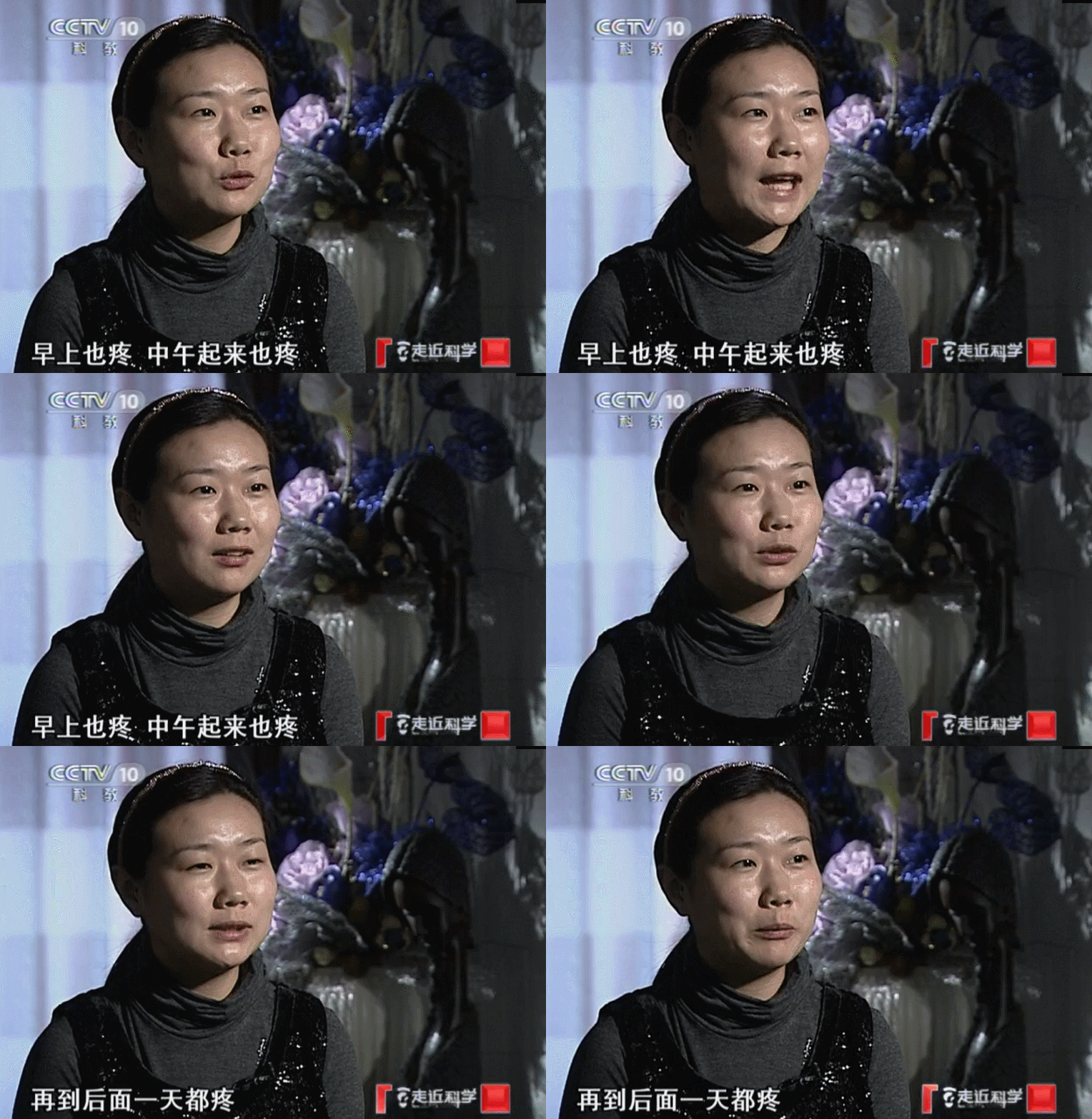
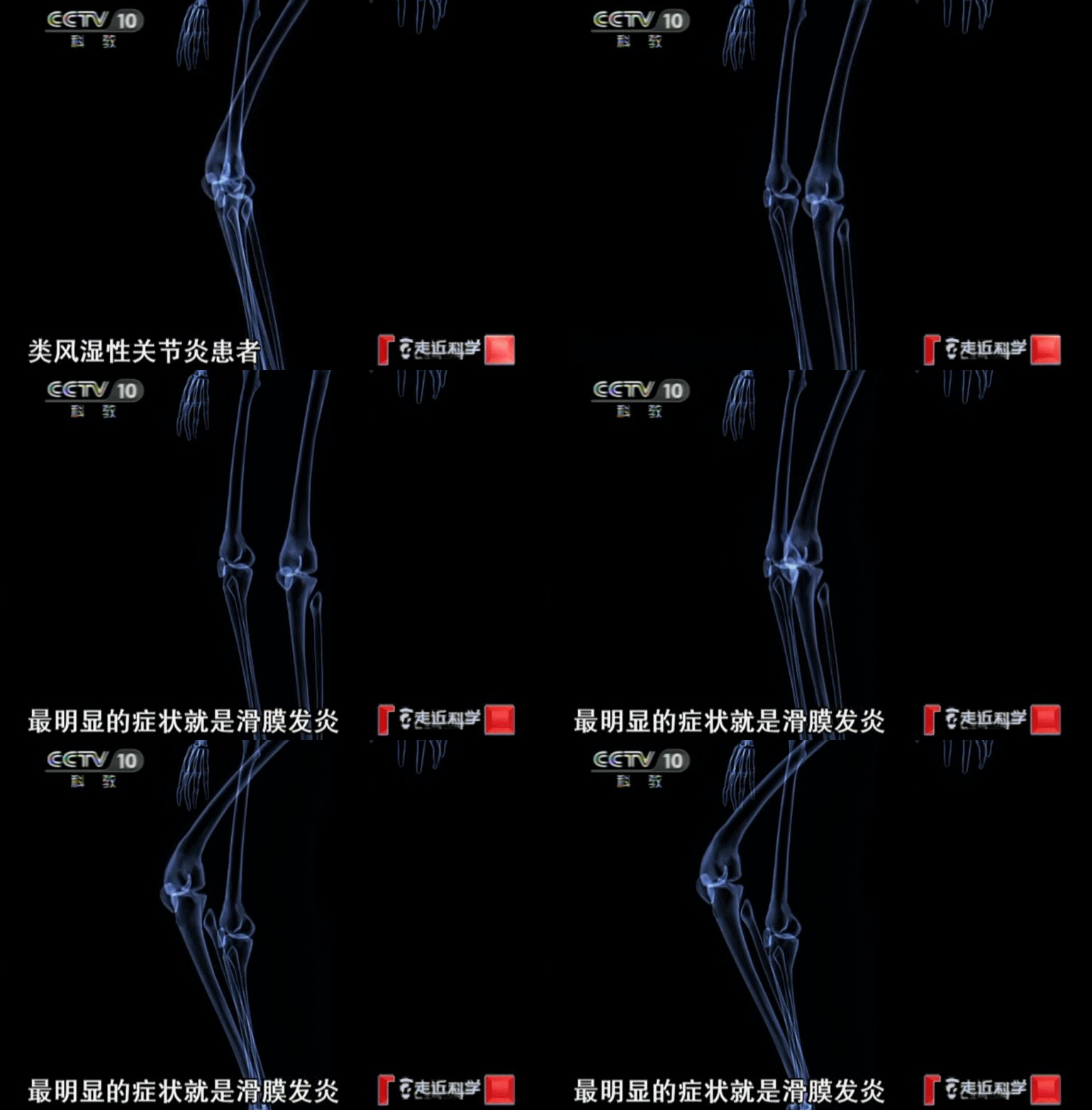
Rheumatoid arthritis differs from rheumatic arthritis, which is caused by a streptococcal infection and can often be alleviated—and even cured—in some cases with antibiotic treatment. In contrast, rheumatoid arthritis results from a weakened immune system, leading to joint stiffness and, in severe cases, complete loss of joint function. As the disease progresses, individuals may eventually become unable to care for themselves, and if it also affects other organs, the consequences could be devastating.
Clinically, these conditions are typically managed with hormone-based medications, but long-term hormone therapy can only temporarily alleviate symptoms—it does not offer a permanent cure.
Due to long-term medication, Qin Lan could only reluctantly decide against keeping the baby after first discovering her pregnancy. This decision left the newlywed feeling deeply guilty—she didn’t want her future to depend on pills for the rest of her life. Instead, she yearned for her own child and firmly believed there had to be other solutions.
Embrace stem cell therapy—your life changes from here on out.
And so, with nowhere else to turn, Qin Lan found herself at Dr. Wang Liming’s office—unaware that this unexpected encounter would ultimately change her destiny.
Dr. Wang had a bold idea: he suggested that Qin Lan give their stem-cell therapy, which they’ve been researching, a try. To his surprise, Qin Lan was instantly thrilled—finally, there was a new approach she could explore. No matter what the outcome, she was ready to embrace it, because she’d reached her limit and couldn’t bear the suffering of her illness any longer.
The human body has more than 200 different types of cells, However, only stem cells have the remarkable ability to repair and regenerate human organs. Often referred to as "universal cells" by the medical community, stem cells can transform into a wide variety of functional cells, tissues, and even entire organs in the body. Simply put, this process involves extracting stem cells from specific human tissues, then placing them under controlled conditions that trigger their differentiation into the exact cell types we need. Once reintroduced into the body, these versatile stem cells naturally migrate to damaged areas, where they begin performing their restorative functions.
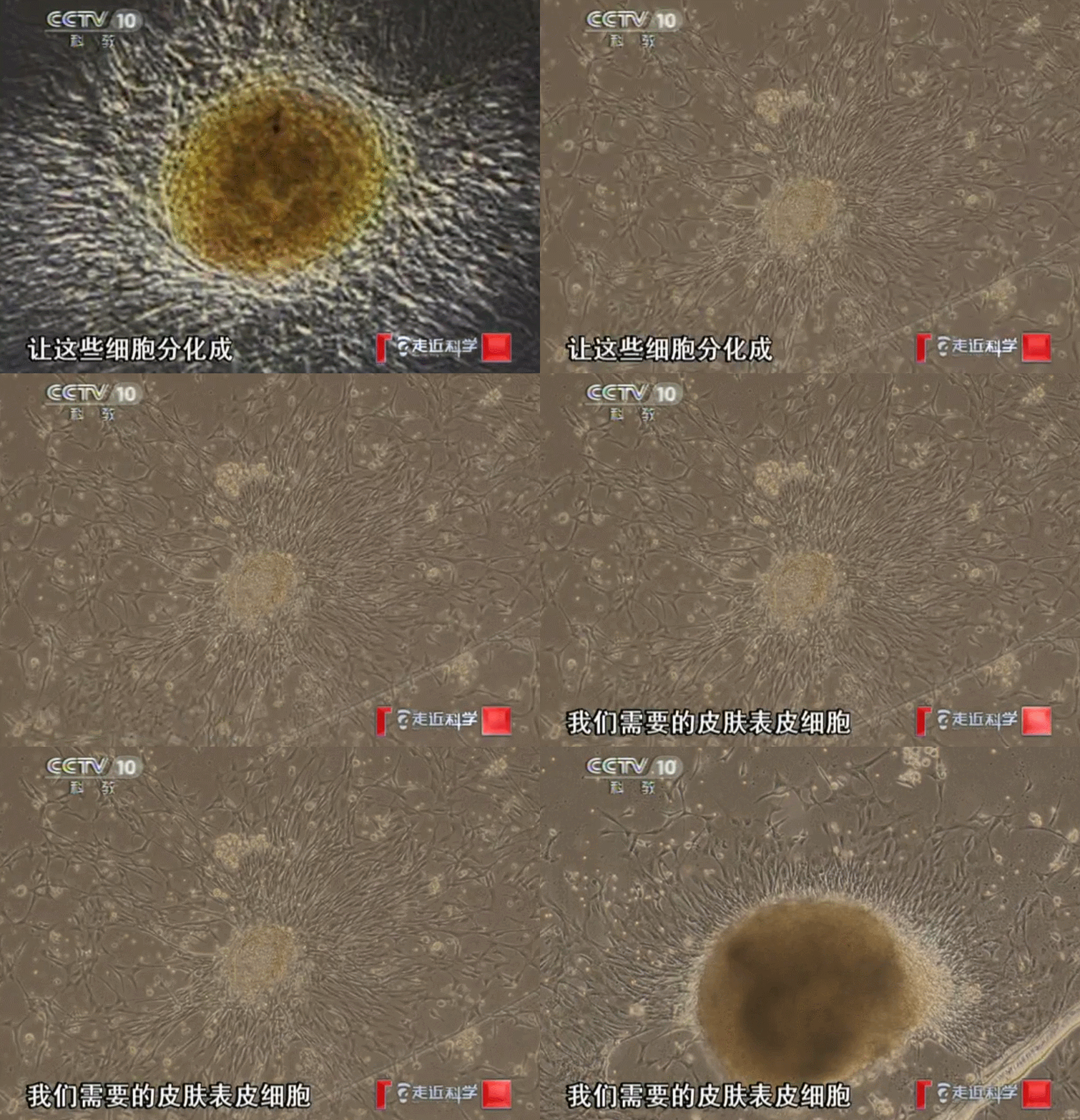
Because Qin Lan has an autoimmune disease, to prevent rejection, doctors administered mesenchymal stem cells to her. These cells don’t require tissue matching—they’re like a magical seed, capable of promoting vascular regeneration and repairing damage to cells and tissues.
As the stem cells slowly entered Qin Lan's body, no one knew what the outcome would be—or how she would ultimately recover.
The next morning, when Qin Lan woke up, she surprisingly felt full of energy and remarkably agile—plus, the swollen areas inside her body had quickly subsided, leaving her utterly delighted.
Unexpectedly, the results were so noticeable that Qin Lan happily called the doctor to share how much she’d transformed. Afterward, she even started practicing yoga, and suddenly her once-lost sense of normalcy began to return—like a long-lost rhythm back on track. Her positive energy also spilled over to her family, bringing everyone closer together and filling the home with warmth and joy.
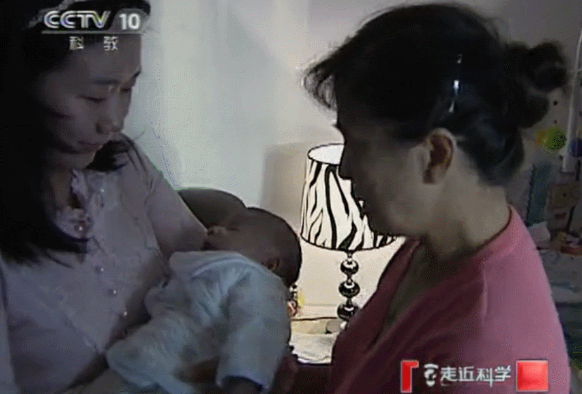
Two years later, Qin Lan, now fully recovered, happily gave birth to a healthy baby girl weighing 4 kilograms—her long-awaited dream had finally come true. And waiting for her was an even brighter, better life ahead.

As regenerative medicine continues to advance and refine, stem cell therapy has already brought hope to countless patients suffering from previously intractable diseases. Looking ahead, stem cells are poised to make even greater strides in treating a wider range of illnesses, offering renewed optimism to more patients in the years to come.
Related News

Here is the title—h1 placeholder text


Copyright © Jiuzhitang Maker (Beijing) Cell Technology Co., Ltd.
Powered by: 300.cn SEO | Privacy Policy