

News
News Center
Li Zhenguo, a deputy to the National People's Congress and Chairman of Jiuzhitang: Promote high-quality development of traditional Chinese medicine and foster effective integration between conventional and precision medicine.
2021-03-08
In driving the modernization of Traditional Chinese Medicine (TCM) through technology, Li Zhenguo suggests advancing the modernization of TCM diagnosis and treatment methods, accelerating the approval process for internet-based healthcare services, and streamlining approval procedures. He also encourages and supports the growth of TCM-focused telemedicine, helping TCM move "to the cloud," while simultaneously establishing comprehensive health databases that span patients' entire life cycles. This will enable the delivery of more precise, scientific, convenient, and efficient healthcare services to patients. Additionally, Li advocates for speeding up the modernization of TCM products. Pilot programs could gradually integrate technologies like the Internet of Things into every stage of traditional Chinese herbal medicine—ranging from cultivation and processing to distribution—enabling real-time monitoring, standardized production, and intelligent management. This approach would foster the development of eco-friendly cultivation and farming practices for medicinal herbs, ensuring full traceability across production environments, processes, and sales channels. Ultimately, it would promote standardized operations in TCM production and guarantee the highest quality of medicinal materials throughout the entire supply chain. Finally, Li emphasizes the importance of advancing the modernization of TCM-related scientific knowledge. He encourages collaborative research between Traditional Chinese Medicine and Western medicine, as well as the systematic传承 of contemporary TCM expertise. By leveraging these synergies, China can achieve a powerful integration of both medical systems, preserving and passing down exceptional TCM diagnostic and therapeutic techniques and methods. This effort will not only broaden the scope of TCM treatments but also enhance their effectiveness, ultimately benefiting patients even more.
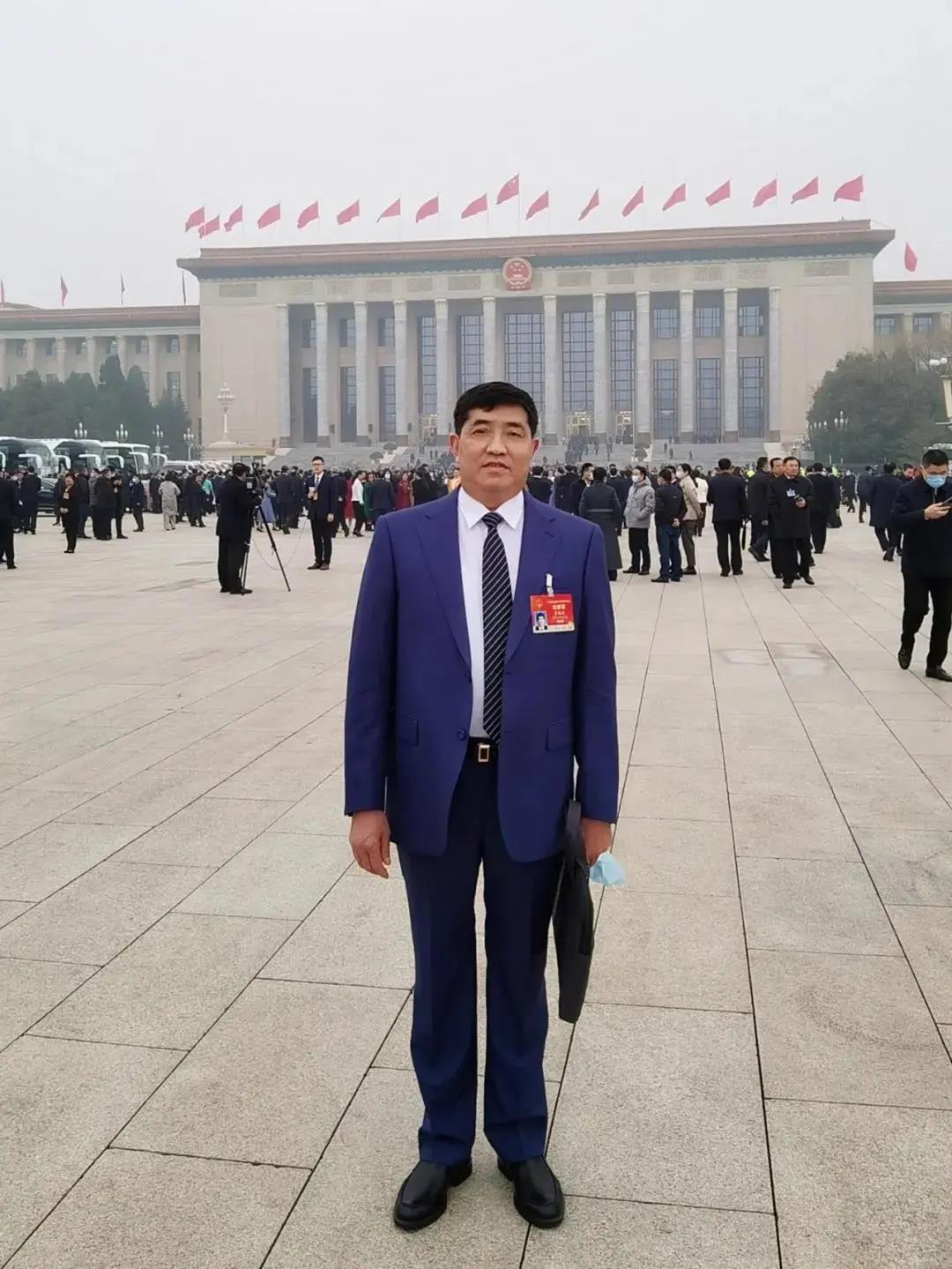
★Promoting High-Quality Development of Traditional Chinese Medicine★
Li Zhenguo believes that developing traditional Chinese medicine has risen to the level of a national strategy. By leveraging the unique strengths and characteristics of TCM, it can play an even greater role in strengthening the grassroots healthcare service system, enhancing and perfecting primary-level health institutions, and improving the capacity and quality of basic healthcare services. Ultimately, this effort is crucial for people's well-being and represents a vital component in building a Healthy China.
Li Zhenguo believes that advancing traditional Chinese medicine should focus on five key areas: enhancing the infrastructure of grassroots healthcare facilities to establish a strong frontline in the public health system; strengthening the cultivation of TCM talent, laying a solid foundation for the inheritance and development of the field; fostering cultural confidence and creating development models that align with the unique principles of TCM; leveraging science and technology to drive the modernization of TCM; and increasing public awareness and understanding of TCM, ensuring it better serves the needs of the people.
In terms of cultivating Chinese medicine talent, Li Zhenguo suggests exploring and developing talent-training models that align with the unique characteristics of nurturing high-level TCM professionals and reflect the developmental patterns of outstanding, innovative individuals. This approach aims to foster a large number of TCM inheritors and innovators who not only master integrated knowledge systems and thought processes blending traditional Chinese and Western medicine, but also demonstrate exceptional research capabilities, clinical expertise, and strong humanistic values coupled with a global perspective.
Regarding the establishment of a development model that aligns with the principles of Traditional Chinese Medicine (TCM) development, Li Zhenguo suggests taking standards as the guiding force to create a TCM-specific standard evaluation system. This system should cover the entire process—from the sourcing and procurement of medicinal materials, through pharmaceutical production, storage, and transportation, all the way to sales and clinical use—alongside a robust TCM quality and safety evaluation framework. Additionally, he recommends developing a hospital evaluation system that truly reflects the unique characteristics of TCM, while also refining research evaluation mechanisms and clinical efficacy assessment protocols. These efforts will help advance research on evaluating and translating TCM’s clinical effectiveness into practical applications, continuously enhancing both the efficiency of TCM research outcomes and the overall quality of clinical diagnosis and treatment. Furthermore, it is crucial to refine policies such as the approval system for new TCM drugs tailored to their distinctive features, healthcare service pricing strategies, and medical insurance reimbursement frameworks, thereby fostering greater vitality and innovation within TCM services.
In driving the modernization of Traditional Chinese Medicine (TCM) through technology, Li Zhenguo suggests advancing the modernization of TCM diagnosis and treatment methods, accelerating the approval process for internet-based healthcare services, and streamlining approval procedures. He also encourages and supports the growth of TCM-focused telemedicine, helping TCM move "to the cloud," while simultaneously establishing comprehensive health databases that span patients' entire life cycles. This will enable the delivery of more precise, scientific, convenient, and efficient healthcare services to patients. Additionally, Li advocates for speeding up the modernization of TCM products. Pilot programs could gradually integrate technologies like the Internet of Things into every stage of traditional Chinese herbal medicine—ranging from cultivation and processing to distribution—enabling real-time monitoring, standardized production, and intelligent management. This approach would foster the development of eco-friendly cultivation and farming practices for medicinal herbs, ensuring full traceability across production environments, processes, and sales channels. Ultimately, it would promote standardized operations in TCM production and guarantee the highest quality of medicinal materials throughout the entire supply chain. Lastly, Li emphasizes the importance of advancing the modernization of TCM-related scientific knowledge. He encourages collaborative research between Traditional Chinese Medicine and Western medicine, as well as the systematic传承 of contemporary TCM expertise. By leveraging these synergies, China can achieve a powerful integration of both medical systems, preserving and passing down exceptional TCM diagnostic and therapeutic techniques and methods. This effort will not only expand the scope of TCM treatments but also enhance their effectiveness, ultimately benefiting patients even further.
★Accelerate the progress of translating stem cell technology into viable pharmaceutical products★
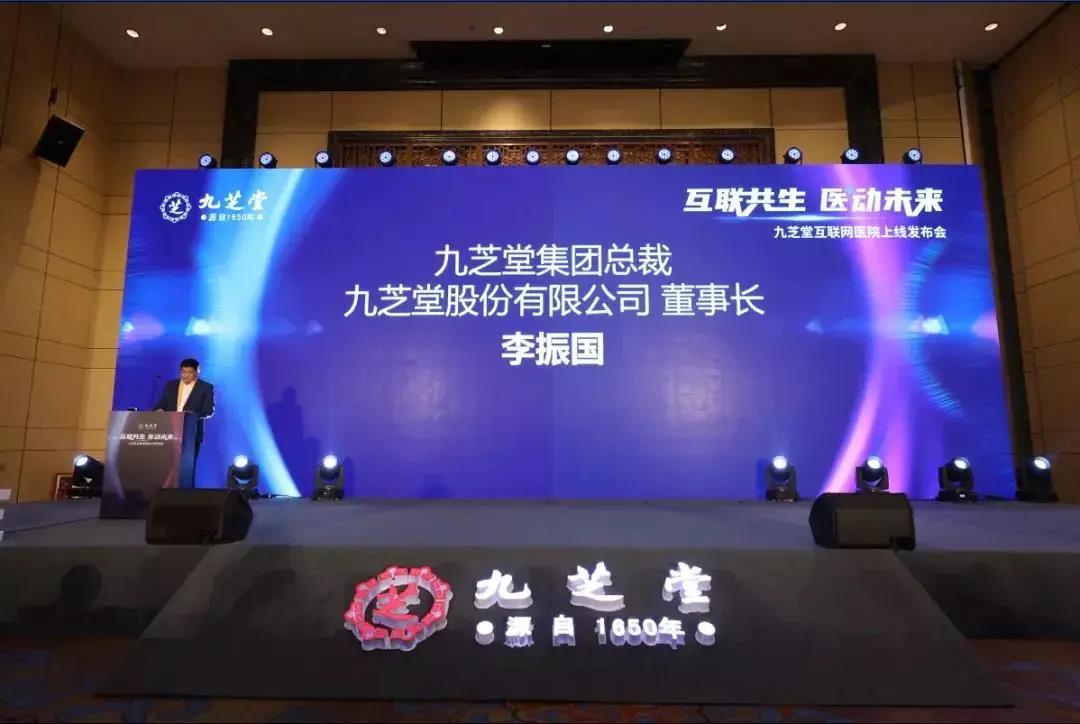
Li Zhenguo stated that increasing support for the bioeconomy and biotechnology, while mobilizing resources from across society, is crucial for jointly advancing the development of the bioeconomy. This effort is essential to safeguarding the lives, biological security, and economic stability of our people in the future. Notably, the stem-cell industry—a key area within biotechnology—experienced groundbreaking growth in 2020.
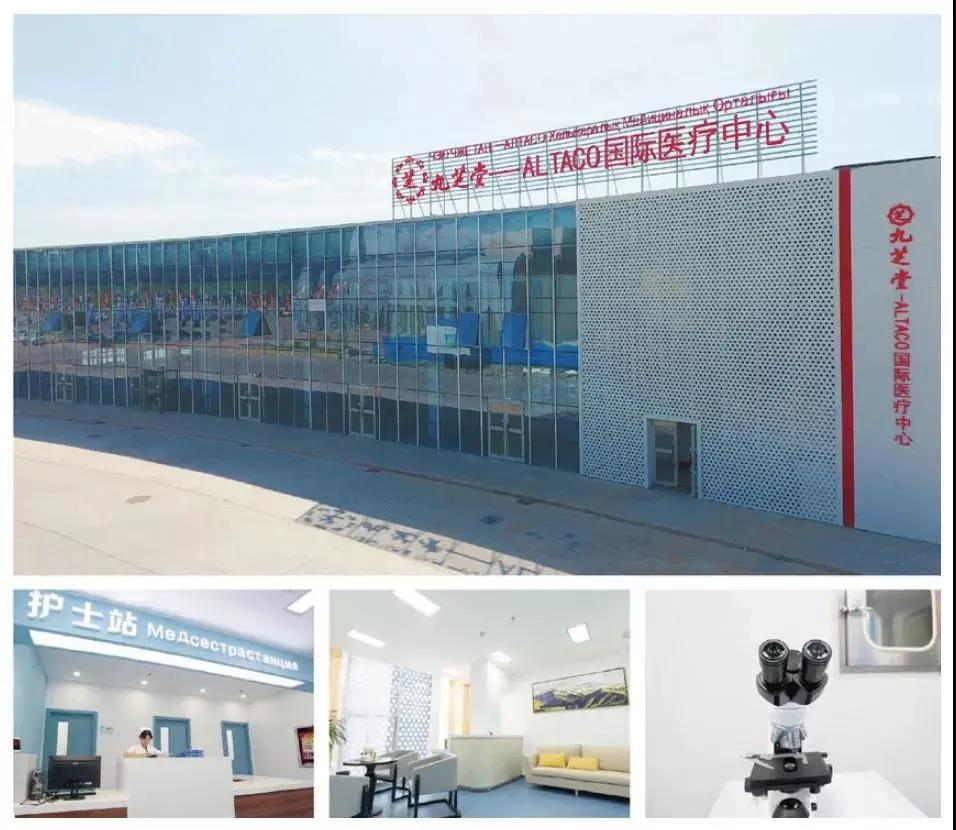
Li Zhenguo recommends accelerating the translation of stem cell technology into viable pharmaceutical products, thereby fostering high-quality, rapid growth in the industry. First, he suggests standardizing the donation of human tissue and cells by urging the nation to promptly introduce China’s version of the "Good Tissue Practice (GTP)" guidelines. This move would pave the way for the country to leapfrog competitors in emerging fields like regenerative medicine. Second, he advocates establishing ethical criteria for clinical approval of stem cell-based products. Additionally, Li emphasizes strengthening technical guidance on stem cell manufacturing processes and quality systems, while also developing comprehensive guidelines for stem cell quality control. He further recommends creating ethical review frameworks that assess not only the source of stem cells but also production methods, indications, and other critical factors—ensuring a thorough evaluation of potential ethical risks before advancing to clinical trials or research studies. Finally, he calls for increased financial support to address funding challenges faced by innovative drug developers during the pre-market phase. To this end, he proposes piloting subject-funded clinical research programs in select regions across China, allowing companies to test new therapies under controlled conditions, ultimately helping to reduce the costs associated with drug development and commercialization.
Meanwhile, Li Zhenguo suggested strengthening policy guidance to effectively integrate traditional medicine with precision medicine.
Related News

Here is the title—h1 placeholder text


Copyright © Jiuzhitang Maker (Beijing) Cell Technology Co., Ltd.
Powered by: 300.cn SEO | Privacy Policy