

News
News Center
Big news! The Beijing Institute of Stem Cell and Regenerative Medicine officially established in Beijing.
来源:China Daily Online
2020-09-25
The kickoff meeting for the construction of the Beijing Institute of Stem Cell and Regenerative Medicine was held in Beijing on September 22, marking the official launch of the institute's development efforts. Attendees included Xiang Libin, Vice President of the Chinese Academy of Sciences; Sui Zhenjiang, Vice Mayor of Beijing; Zhou Qi, Deputy Secretary-General of the CAS; and Xu Qiang, Director of the Beijing Municipal Science & Technology Commission, who jointly unveiled the plaque for the institute.
The Stem Cell Research Institute is a new type of R&D institution jointly established by the Beijing Municipal Government and the Chinese Academy of Sciences. Built upon the foundation of the CAS Innovation Institute for Stem Cells and Regenerative Medicine, it operates under a director-responsibility system overseen by a board of directors.
The Chairman of the Stem Cell Research Institute is Zhou Qi. Zhou Qi stated that the institute will integrate top-tier research capabilities from Beijing and across China, focusing on addressing critical, cutting-edge scientific challenges and common key technological needs in the fields of stem cells and regenerative medicine. By adopting a forward-looking research strategy and innovating institutional frameworks, the institute aims to establish itself as a globally recognized, next-generation R&D institution in stem cell and regenerative medicine—driving significant original innovations, achieving breakthroughs in technology, and enabling leapfrog development.
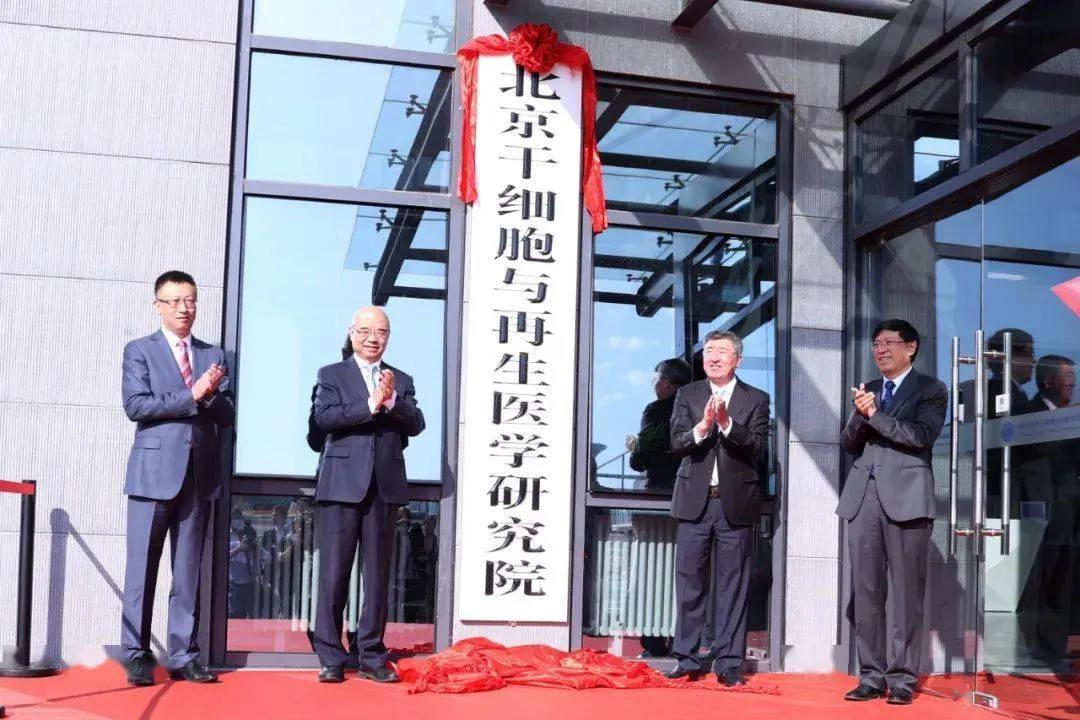
Vice President of the Chinese Academy of Sciences Xiang Libin, Beijing Vice Mayor Sui Zhenjiang, CAS Deputy Secretary-General Zhou Qi, and Director of the Beijing Municipal Science & Technology Commission Xu Qiang unveiled the Stem Cell Research Institute.
Sui Zhenjiang, representing Beijing, warmly congratulated the establishment of the Stem Cell Research Institute and expressed high hopes for the institute's future development.
First, we must actively participate in the nation's major strategic initiatives, focusing on cutting-edge, core technology development aligned with critical national needs. We should emphasize the integration of basic research with clinical studies, providing robust technological support for the diagnosis and treatment of serious diseases.
Second, we must innovate institutional mechanisms to foster a vibrant research environment that encourages and supports innovation, enabling scientists to focus entirely on their work without distractions.
Third, we must closely integrate technological innovation with a high-end, sophisticated, and specialized economic structure to support the development of the biopharmaceutical industry. Building on the scientific breakthroughs made in COVID-19 prevention and control, we will cultivate a first batch of flagship products.
Xiang Libin hopes that the Stem Cell Research Institute will study diligently, draw inspiration from others generously, and, in its future development, align itself with national strategic needs as well as the growing demands for people's health and well-being. By deeply cultivating the field of regenerative medicine, the institute can accelerate the translation of research findings into practical applications, preparing itself to actively contribute to China's major national strategic initiatives—and ultimately delivering contributions worthy of our era.
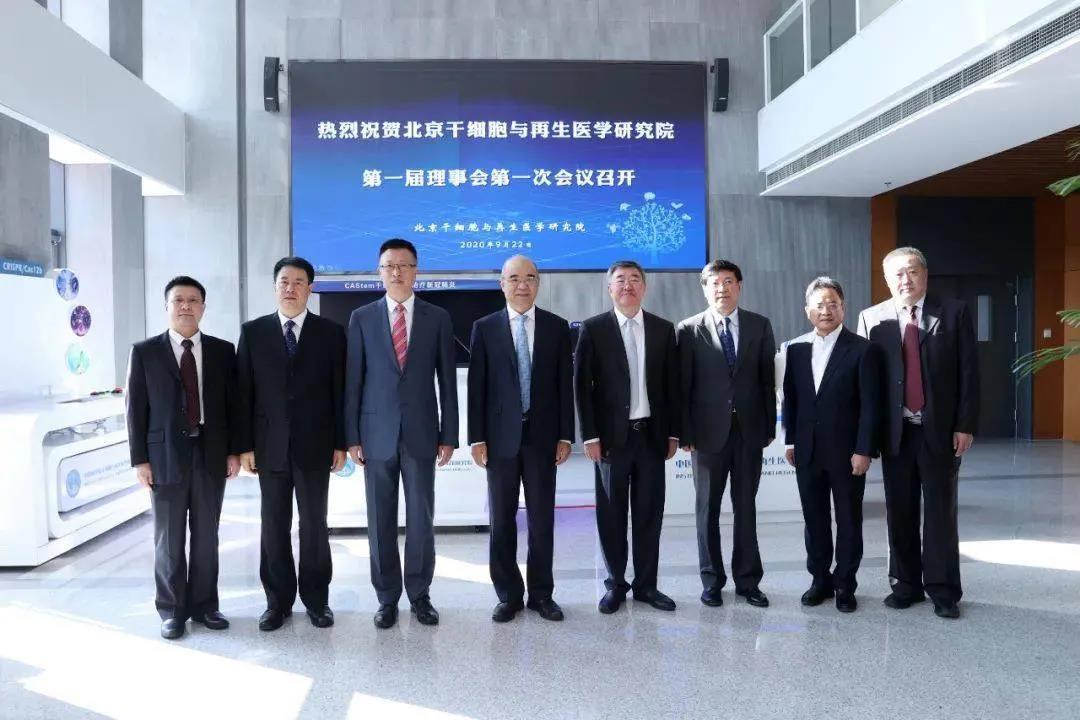
Group photo of leaders attending the Stem Cell Research Institute Construction Promotion Meeting
Wang Jianwei, Vice President of Peking Union Medical College, Chinese Academy of Medical Sciences, Yang Xiaoming, Chairman of China National Biotec Group's China Biotechnology Corporation, along with representatives from Peking University, the Institute of Military Medicine of the Academy of Military Sciences, Capital Medical University, and other institutions, attended the meeting.
Related News

Here is the title—h1 placeholder text


Copyright © Jiuzhitang Maker (Beijing) Cell Technology Co., Ltd.
Powered by: 300.cn SEO | Privacy Policy