

News
News Center
The Future of Stem Cell Therapy for Cardiovascular Diseases: New Insights into Mechanisms and Emerging Application Directions
2019-11-05
On November 4, 2019, the 23rd Beijing International Biomedical Industry Development Forum kicked off in Beijing, jointly hosted by the Beijing Municipal Science and Technology Commission and the Management Committee of the Beijing Economic-Technological Development Area, and co-organized by the Beijing Biotechnology and New Pharmaceutical Industry Promotion Center and the Science and Technology Bureau of the Beijing Economic-Technological Development Area.
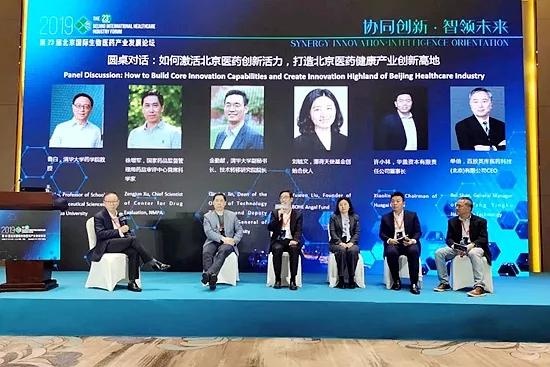
The forum featured 10 parallel sessions, including topics such as "Gene Editing Technologies: 'Cutting' Out a New Era" and "Stem Cell Technologies and Regenerative Medicine Leading the Future." These sessions brought together industry experts to discuss cutting-edge advancements in life sciences, clinical research and translational medicine, as well as trends in business development—drawing a total of 500 attendees.
New Insights into Stem Cell Mechanisms and Innovative Applications
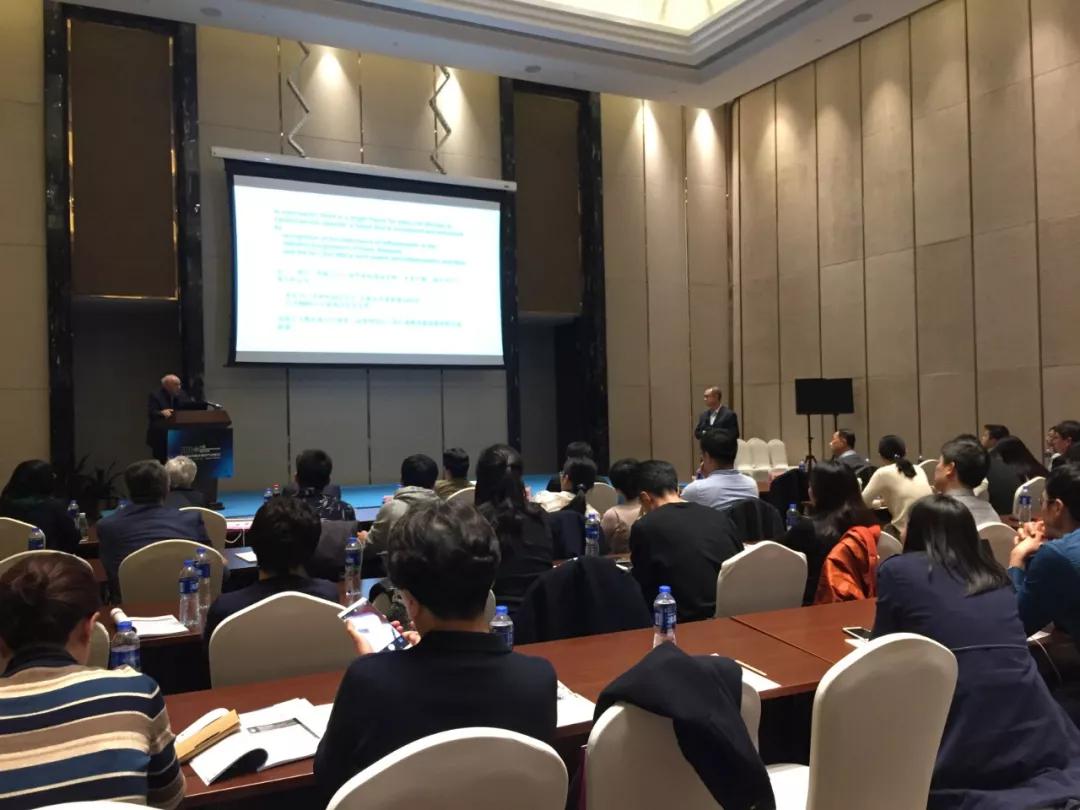
On the afternoon of November 5, Dr. Stephen Epstein, Director of the Translational Medicine Center at Medstar Heart Institute at Washington Hospital, was invited to deliver a keynote speech titled "The Future of Stem Cell Therapy for Cardiovascular Diseases: New Insights into Mechanisms and Emerging Application Directions" at the sub-forum titled "Stem Cell Technology and Regenerative Medicine Leading the Way." Dr. Epstein highlighted that multiple intravenous injections of MSCs may help control persistent abnormal inflammation following left ventricular assist device implantation, potentially improving patients' myocardial function. He emphasized that stem cell therapy holds great promise as an effective treatment approach for cardiovascular diseases.
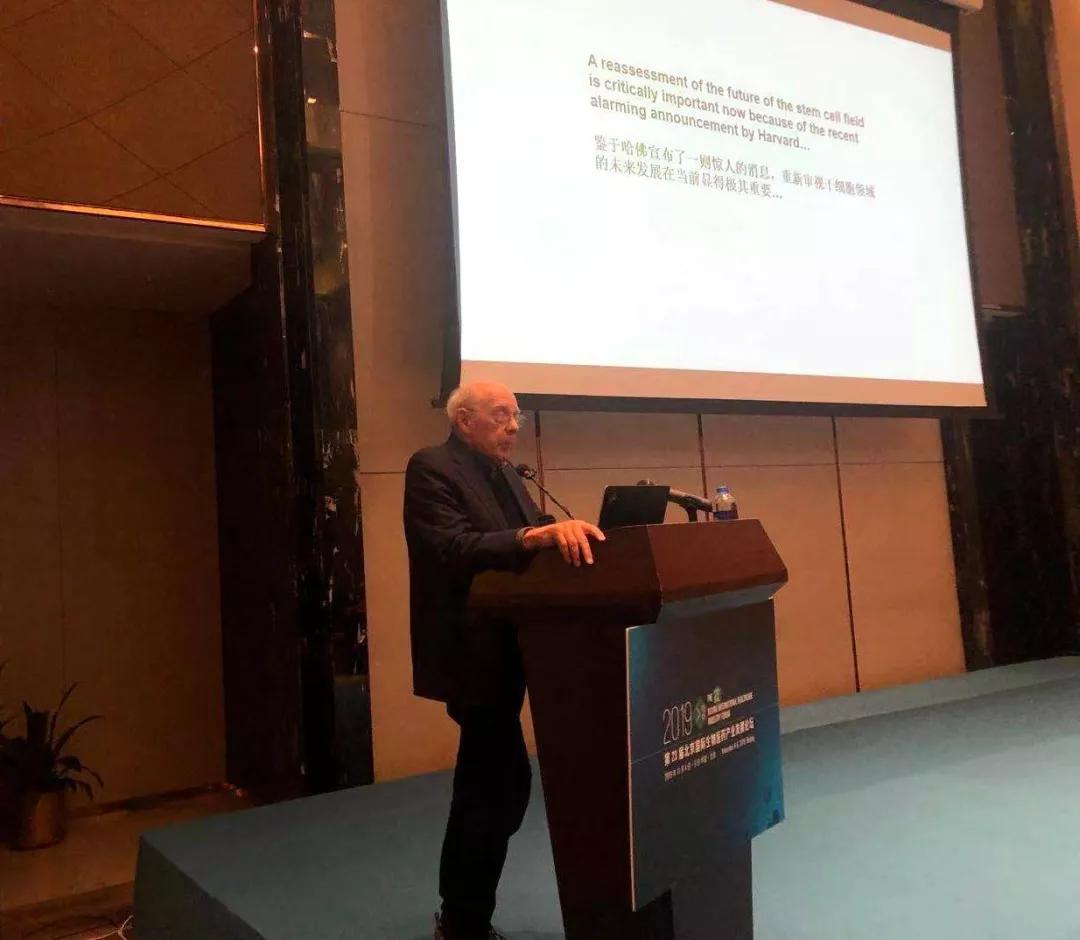
First, Dr. Epstein referenced the shocking case of academic misconduct involving Harvard University Professor Piero Anversa’s claim that “cardiac stem cells can repair the heart.” The fraudulent experiment had concluded that adult donor-derived stem cells could undergo lateral differentiation into healthy cardiac muscle cells, enabling the regeneration of damaged heart tissue and improving cardiac function. However, the truth is that adult donor-derived stem cells lack the ability to undergo lateral differentiation, forcing researchers to reconsider the future direction of stem cell research altogether.
Based on Professor Piero Anversa's research findings, many earlier trials involved directly injecting stem cells into the heart muscle or coronary arteries. The rationale behind this approach was the belief that, if stem cells were effective, they would function by undergoing lateral differentiation into healthy, working cardiac cells. Consequently, it was thought the cells needed to reside within the heart muscle itself—and the most efficient way to achieve this was by delivering them directly into the myocardium or coronary arteries. However, the scientific principles underlying this strategy have since crumbled, and clinical trial failures have clearly demonstrated that this method is not viable. As a result, enthusiasm for using stem cells to treat heart disease has plummeted to an all-time low.
However, Dr. Epstein shared a series of research findings that revealed crucial insights and promising therapeutic strategies: persistent, severe systemic inflammatory responses in the body are the primary cause of myocardial dysfunction in patients experiencing acute myocardial infarction and heart failure; mesenchymal stem cells primarily improve cardiac function by exerting a robust anti-inflammatory effect throughout the body; and intravenous administration of mesenchymal stem cells effectively promotes anti-inflammatory benefits.
Next, Dr. Epstein shared the preclinical research results and Phase IIa clinical trial findings that have already been completed on using CardioCell’s mesenchymal stem cells to treat heart failure. The study demonstrated that intravenous administration of MSCs to heart failure patients significantly reduces inflammation—and the stronger the anti-inflammatory effect, the greater the improvement in cardiac function observed among patients. These groundbreaking findings were recently published in *Circulation Research*, a leading journal in the field of cardiovascular diseases.
However, additional experiments revealed that a single stem cell injection doesn’t fully reverse the disease progression—it can only provide temporary relief for a limited period. Therefore, Dr. Epstein boldly proposed a new hypothesis: multiple injections of mesenchymal stem cells could deliver the optimal therapeutic effect. Currently, his research team has launched a new FDA-approved clinical trial. In collaboration with CardioCell, they are conducting a Phase IIa clinical trial involving patients with severe heart failure who require implantation of a left ventricular assist device (LVAD).
The aim of this trial is to determine whether CardioCell's patented ischemia-tolerant mesenchymal stem cells (itMSCs) can improve patients' cardiac function.
This study marks the first clinical trial approved by the U.S. FDA to evaluate multiple intravenous infusions of stem cells for the treatment of cardiovascular diseases. Previously, all clinical trials using stem cells for similar conditions involved a single infusion; this new trial aims to assess the safety and efficacy of repeated infusions. It represents the latest advancement in stem-cell therapy for cardiovascular diseases and will also serve as a crucial reference for developing multi-infusion protocols in other therapeutic areas. Currently, the first patient has already been enrolled and has begun receiving treatment.
Dr. Epstein believes that effectively harnessing the potent anti-inflammatory properties of mesenchymal stem cells—given their significant role in promoting the onset and progression of various diseases—could lead to remarkable therapeutic outcomes, making this an exciting and promising field with a bright future ahead!
Who is Dr. Stephen Epstein?
Dr. Stephen Epstein is the Director of the Translational Medicine Center and a researcher in vascular biology at Medstar Heart Institute, Washington Hospital, as well as a Professor of Clinical Medicine at Georgetown University School of Medicine. He previously served as the Chief of the Division of Cardiology at the National Heart, Lung, and Blood Institute of the National Institutes of Health (Bethesda, Maryland), where he spent over 30 years advancing cardiovascular research. Dr. Epstein has published more than 500 peer-reviewed articles in medical journals and is an internationally recognized expert in applying stem cell technology to treat cardiovascular diseases. Additionally, he chairs the Scientific Advisory Board and serves as a director for CardioCell, a leading stem-cell therapy company.
Company Background Overview
CardioCell is a subsidiary of the U.S.-based company Stemedica, founded in 2013 in San Diego, California. Stemedica has granted CardioCell an exclusive license to commercialize the bone marrow-derived mesenchymal stem cells it produces, specifically within the field of cardiovascular diseases.
U.S.-based Stemedica Corporation, located in San Diego—the nation’s top hub for biotechnology and the pharmaceutical industry—stands among the world’s few companies capable of simultaneously producing both human bone marrow mesenchymal stem cells and human neural stem cells at a commercial scale. Stemedica’s stem cell products meet U.S. FDA cGMP standards and are currently being tested in six clinical trials in the U.S. and 10 additional trials in other countries. Notably, their stem cell therapy for acute myocardial infarction has already received market approval from Kazakhstan’s Ministry of Health.
In 2018, the Zhuhai Hengqin Jiuzhitang Yonghe Qihang Fund—established by Jiuzhitang—invested in the U.S.-based Stemedica Cell Technology Inc. At the same time, Jiuzhitang Maker (Beijing) Cell Technology Co., Ltd. was founded as the sole Chinese partner entrusted with Stemedica's stem cell technology from the U.S. company.
Related News

Here is the title—h1 placeholder text


Copyright © Jiuzhitang Maker (Beijing) Cell Technology Co., Ltd.
Powered by: 300.cn SEO | Privacy Policy