

News
News Center
Where do stem cells come from?
Where do stem cells come from?
Stem cells are the source of all other cells—so where do stem cells themselves come from? Broadly speaking, the fertilized egg, which marks the very beginning of human development, is the most advanced type of stem cell. As the fertilized egg divides repeatedly, it develops into an embryo and eventually matures into a fetus. During this process, some stem cells lose their stem-cell characteristics and differentiate into specialized functional cells, while others retain varying degrees of stem-cell properties. These remaining stem cells serve as the foundation for adult stem cells, which play a critical role in maintaining the body’s essential systems and functions.
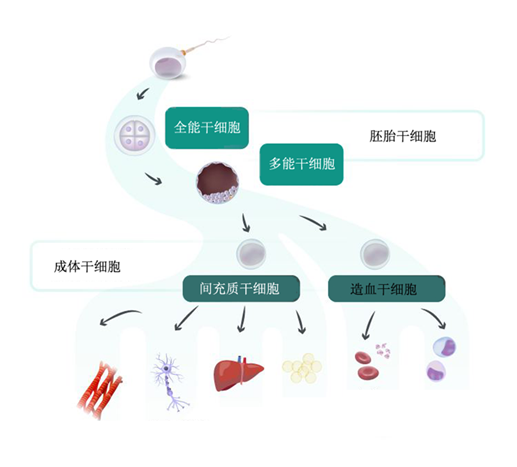
Embryo Development Illustration
Stem cells can be classified into embryonic stem cells and adult (or somatic) stem cells based on their developmental stage. Embryonic stem cells are highly undifferentiated cells with the remarkable ability to develop into any cell type—essentially possessing "pluripotency." In contrast, adult stem cells, which reside in tissues or organs throughout the body, are generally considered tissue-specific, meaning they can only differentiate into specific types of cells relevant to their respective tissue or organ. Depending on the tissue or organ where these adult stem cells are found, their names often reflect their tissue origin—for example, umbilical cord mesenchymal stem cells, bone marrow mesenchymal stem cells, adipose-derived mesenchymal stem cells, and liver stem cells, among others.
Previous:
Next:
Related News

Here is the title—h1 placeholder text


Copyright © Jiuzhitang Maker (Beijing) Cell Technology Co., Ltd.
Powered by: 300.cn SEO | Privacy Policy